
1. Introduction
If you love making resin jewelry, keychains, or small craft projects, you’ve probably wondered: is UV resin toxic after curing? It’s an important question, especially if you work indoors or sell handmade items to customers.
UV resin is popular because it cures quickly under a UV lamp and gives a glossy, glass-like finish. However, many crafters are concerned about resin fumes, skin contact, and long-term health risks. While uncured liquid resin can cause skin irritation and release volatile organic compounds (VOCs), the safety of fully cured UV resin is often misunderstood.
In simple terms, properly cured UV resin is generally considered safe for normal handling. Once the curing process is complete, the material hardens into a solid plastic and becomes much more stable. That said, problems can occur if the resin is undercured, sticky, or still releasing odor.
In this guide, we’ll clearly explain is UV resin toxic after curing, what makes it safe or unsafe, and how you can reduce any potential health risks while crafting.
Table of Contents
2. What Is UV Resin? (Quick Overview)
UV resin is a type of liquid photopolymer that hardens when exposed to ultraviolet (UV) light. Unlike traditional epoxy resin, which requires mixing two parts (resin and hardener), UV resin comes ready to use straight from the bottle. This makes it especially popular among beginners and small-scale craft makers.
The curing process happens when UV light activates special chemicals called photoinitiators inside the resin. Once exposed to a UV lamp or direct sunlight, the liquid transforms into a solid plastic within minutes. The result is a clear, glossy, and durable finish often used for jewelry, keychains, charms, and small decorative pieces.
Compared to epoxy resin, UV resin cures much faster but works best for thin layers. It is not ideal for large molds or deep pours because UV light cannot easily penetrate thick sections. However, for detailed craft projects that require speed and convenience, it is a practical and efficient option.
Because it is a chemical-based material, understanding how it works and how it cures properly is important for safe handling and long-lasting results.
3. Is UV Resin Toxic Before Curing?
Yes, liquid UV resin can pose health risks before it hardens. In its uncured form, it contains reactive chemicals that help it solidify under ultraviolet light. These chemicals can irritate the skin, eyes, and respiratory system if proper precautions are not taken.
Direct skin contact may cause redness, itching, or allergic reactions. Some people develop sensitivity over time, meaning repeated exposure can make reactions worse. This is why wearing nitrile gloves is strongly recommended when handling liquid resin.
Fumes are another concern. While UV resin usually produces less odor than epoxy resin, it can still release volatile organic compounds (VOCs). Working in a well-ventilated area helps reduce the chance of inhaling these vapors. If you are sensitive to smells or working in a small space, using a mask designed for chemical fumes can provide extra protection.
Accidental contact with the eyes can also be harmful, so protective eyewear is a smart precaution. In short, the material is safest when handled carefully, with proper ventilation and protective equipment. Once it fully hardens, the risk level changes significantly, which we will explain in the next section.
4. Is UV Resin Toxic After Curing?
Once UV resin has fully hardened under proper ultraviolet light, it becomes a solid plastic material. In this cured state, it is generally considered stable and much safer to handle compared to its liquid form. The chemical reaction that takes place during curing locks the reactive ingredients into a hardened structure, which significantly reduces the risk of skin irritation or vapor release.
However, the key factor here is complete curing. If the resin is undercured meaning it feels sticky, soft, or has a strong odor some reactive components may still be present. In this condition, it can continue to cause skin sensitivity or mild irritation. That is why using a strong enough UV lamp and allowing sufficient curing time is essential.
When properly cured, the surface should feel smooth, hard, and dry, with no tackiness. It should also have little to no noticeable smell. At this stage, normal handling such as touching or wearing resin jewelry is generally considered low risk for most people.
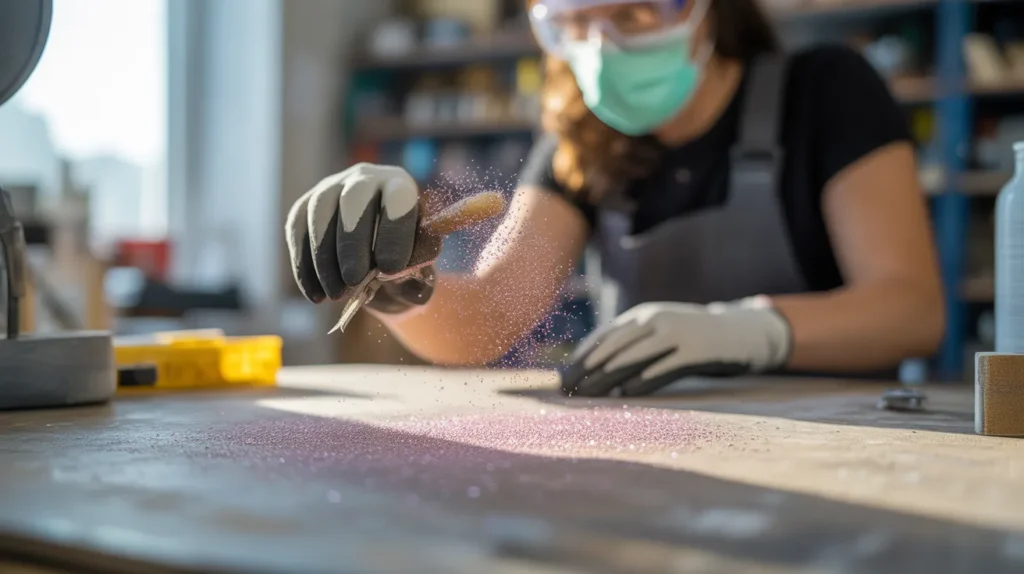
It’s also important to understand that sanding or drilling cured pieces can create fine dust. Inhaling resin dust is not recommended, so wearing a mask during finishing work is a smart safety step.
In summary, fully hardened UV resin is typically safe for everyday craft use, but incomplete curing or improper handling can still pose minor risks. Proper curing techniques make all the difference in ensuring safety.
5. Can You Touch or Wear Cured UV Resin Safely?
In most cases, you can safely touch and wear properly cured UV resin. Once the material has fully hardened, it becomes a solid plastic that is stable and generally safe for normal skin contact. Many crafters use it to make earrings, pendants, rings, and keychains without experiencing issues.
That said, complete curing is essential. The surface should feel smooth, firm, and completely dry not sticky or rubbery. If a piece still has a strong smell or feels tacky, it likely needs more time under a UV lamp. Wearing undercured resin against your skin may cause irritation, especially for people with sensitive skin.
For jewelry, hardware quality also matters. Some skin reactions are actually caused by metal components (like earring hooks) rather than the resin itself. Choosing hypoallergenic findings, such as stainless steel or surgical steel, can reduce the risk of irritation.
Children and pets should not chew on resin items, even if fully cured. While hardened resin is stable, it is not meant to be ingested.
In short, fully cured pieces are generally safe to handle and wear for most people. Proper curing, good-quality materials, and attention to sensitivity are the keys to safe, everyday use.
6. Is Cured UV Resin Food Safe?
Even after hardening, most UV resin is not recommended for direct contact with food or drinks. While the material becomes stable and less reactive once fully cured, it is generally not certified as food-safe. This means it may still contain trace chemicals that could leach into food over time, especially if exposed to heat or acidic substances.
Some crafters use resin to coat utensils, cups, or plates, but this can be risky. Unless the product specifically states it meets FDA or food-grade standards, it should only be used for decorative purposes rather than anything meant to be eaten or drunk from. For safer alternatives, consider epoxy or UV resins that are explicitly labeled as food-safe. These products undergo testing to ensure they won’t release harmful chemicals when in contact with consumables.
In short, while cured resin is generally safe to touch and wear, it is not suitable for items that will hold food or beverages, and caution should always be exercised when crafting kitchen-related projects.
7. How to Make UV Resin Safer to Use
Using UV resin safely is all about proper handling, curing, and workspace precautions. Even though it becomes more stable after hardening, taking steps to minimize exposure to liquid resin and dust can protect your health.
1. Use Protective Gear
Always wear nitrile gloves to prevent skin contact and safety glasses to protect your eyes. If you are sensitive to fumes or working in a small space, a respirator mask designed for chemical vapors is recommended.
2. Work in a Well-Ventilated Area
Even though the smell is usually mild, volatile organic compounds (VOCs) can still be released during crafting. Open windows, use fans, or work near an exhaust vent to keep fresh air circulating.
3. Follow Proper Curing Guidelines
Use a UV lamp with the recommended wattage for your resin and allow enough time for complete hardening. Thin layers cure more effectively than thick pours, reducing the risk of undercured, sticky surfaces.
4. Post-Curing Techniques
After initial exposure to UV light, some crafters place pieces under sunlight or a secondary UV lamp for extra curing. This ensures all reactive components are fully hardened and the finished piece is safer to handle.
5. Handle Dust Safely
Sanding or drilling cured pieces creates fine resin dust. Avoid inhaling this dust by wearing a mask and working on a cleanable surface. Clean up thoroughly to prevent accidental contact with skin or eyes.
By following these simple steps, you can enjoy crafting with UV resin while keeping your workspace and your health safe. Proper handling not only reduces risk but also improves the quality and durability of your finished projects.
8. Signs Your UV Resin Is Not Fully Cured
Knowing whether a resin piece is completely hardened is essential for safety and durability. Under-cured resin can still contain reactive chemicals, which may irritate skin or release fumes. Here are the main signs that a piece has not fully cured:
1. Sticky or Tacky Surface
If the surface feels sticky to the touch or leaves a residue on your fingers, it has not fully hardened. This is the most obvious indication of incomplete curing.
2. Strong Odor
A noticeable chemical smell after curing usually means some reactive compounds are still present. Properly hardened resin should have little to no odor.
3. Soft or Bendable Finish
Fully cured resin is rigid and firm. If the piece bends, dents, or feels soft, it requires additional curing under a UV lamp.
4. Cloudy or Uneven Appearance
Cured resin should be clear and smooth, unless a cloudy effect was intentional. Patches of cloudiness or uneven texture may indicate that some areas did not receive enough UV light.
5. Incomplete Detail or Stickiness in Molded Shapes
Small crevices or intricate designs may remain soft if the UV light couldn’t fully reach them. Ensure thin layers and sufficient exposure to avoid this problem.
Recognizing these signs helps prevent health risks and ensures that your resin projects are strong, durable, and safe to handle. Proper curing techniques are key to achieving a fully finished piece.
9. FAQs
Q1: Is it safe to use UV resin indoors?
Yes, as long as your workspace is well-ventilated. Open windows, use fans, or work near an exhaust vent to minimize exposure to fumes. Wearing gloves and a mask adds an extra layer of protection.
Q2: Can fully hardened resin cause skin irritation?
Generally, fully cured pieces are safe to touch. However, undercured or sticky areas may still contain reactive chemicals that can irritate sensitive skin. Always ensure complete curing before handling.
Q3: Does UV resin release harmful fumes?
Liquid resin can emit volatile organic compounds (VOCs) and mild chemical odors. Fully cured pieces release minimal to no fumes. Ventilation during crafting reduces any potential risk.
Q4: Can it cause allergic reactions?
Yes, some people may develop sensitivity to uncured resin. Wearing nitrile gloves and avoiding direct skin contact helps prevent reactions. If a reaction occurs, discontinue use and wash the affected area thoroughly.
Q5: Is sanding or drilling cured resin safe?
Sanding or cutting can create fine dust, which should not be inhaled. Use a dust mask and work on a cleanable surface to prevent irritation.
10. Conclusion
When asking is UV resin toxic after curing, the key takeaway is that fully hardened resin is generally safe for everyday handling. The curing process transforms the liquid material into a solid, stable plastic, greatly reducing the risk of skin irritation or harmful fumes.
However, safety depends on proper curing. Under-cured or sticky resin can still contain reactive chemicals, so it’s important to follow recommended UV lamp exposure times and work in thin layers when necessary. Wearing gloves, ensuring good ventilation, and avoiding ingestion or contact with sensitive skin are simple steps that make crafting safer.
While cured pieces are safe to touch and wear, they are not recommended for direct food contact unless the product specifically states it is food-grade. Following proper safety practices ensures that resin projects remain both beautiful and non-hazardous.
By understanding the material and taking precautions, you can confidently enjoy making jewelry, charms, and other crafts without worrying about health risks.