
Introduction
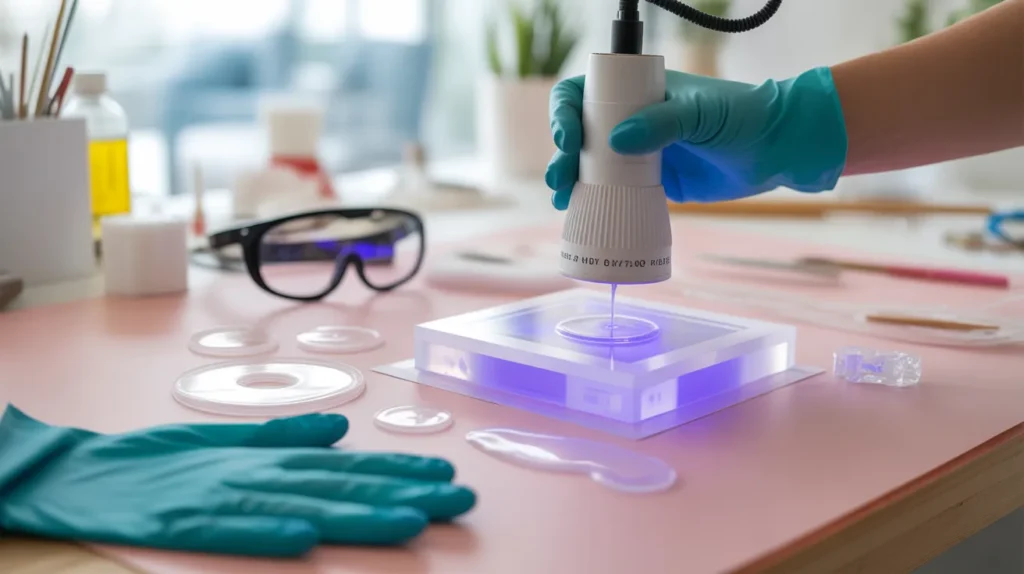
Is UV Resin Safe to Use? Many beginners ask this question before starting resin crafts. UV resin is generally safe when used correctly, but direct skin contact and fumes can cause problems. By following simple safety precautions, you can enjoy using UV resin safely.
Table of Contents
What is UV Resin?
UV resin is a type of liquid polymer that hardens quickly when exposed to ultraviolet (UV) light. Unlike traditional epoxy resins that require mixing and long curing times, this material cures within minutes under a UV lamp or sunlight, making it ideal for small, detailed projects.
It is commonly used in jewelry making, miniature models, keychains, and decorative crafts because it produces a smooth, glossy finish that enhances colors and designs. The resin comes in clear or colored formulations and can be combined with pigments, glitters, or other additives to create unique effects.
One of the main advantages is its convenience. Since it doesn’t require mixing, there’s less chance of air bubbles, and mistakes can be corrected before curing. However, working with this resin still requires careful handling, proper ventilation, and protective gear to minimize skin contact and inhalation of fumes. In essence, this material offers speed, precision, and aesthetic appeal, making it a favorite for both hobbyists and professional crafters.
Potential Health Risks of UV Resin
While this type of resin offers convenience and fast curing, it is important to understand the potential health hazards associated with its use. The uncured liquid contains chemicals that can irritate the skin, eyes, and respiratory system if proper precautions are not taken.
Skin Irritation and Allergic Reactions
Direct contact with the liquid can cause redness, itching, or rashes. Some individuals may develop allergic reactions after repeated exposure, so it’s recommended to always wear gloves when handling it.
Respiratory Concerns
Fumes released during the curing process may irritate the lungs or throat, especially in poorly ventilated areas. Using a well-ventilated workspace or a mask designed to filter chemical vapors can significantly reduce this risk.
Eye Exposure
Accidental splashes can be harmful to the eyes. Protective goggles are essential to prevent irritation or potential injury.
Long-Term Effects
Although fully cured resin is generally considered safe, prolonged or repeated exposure to the uncured liquid may increase the risk of skin sensitisation or respiratory issues. Minimising direct contact and inhalation is key to safe crafting.
Understanding these risks helps crafters take the necessary precautions to enjoy projects safely while avoiding potential health problems.
Safety Measures When Using UV Resin
Taking proper precautions while working with this material is essential to prevent irritation, allergic reactions, and respiratory issues. Implementing simple safety measures can make crafting both enjoyable and safe.
Wear Protective Gear
Always use nitrile gloves to prevent skin contact, and wear safety goggles to protect your eyes from accidental splashes. If you are working with larger amounts or in a less-ventilated space, consider using a mask designed to filter chemical fumes.
Ensure Proper Ventilation
Work in a well-ventilated area to minimize inhalation of fumes. Open windows, use fans, or set up an exhaust system to keep the air circulating. Avoid confined spaces when curing resin.
Avoid Direct Skin Contact
Even small amounts of uncured liquid can cause irritation. If resin touches your skin, wash the area immediately with soap and water. Avoid touching your face, especially eyes and mouth, during crafting.
Handle UV Lamps Carefully
When using UV light to cure projects, do not look directly at the lamp, and avoid prolonged exposure to your skin. Consider using a protective shield or UV-blocking gloves for added safety.
Keep Workspace Clean
Clean your workspace before and after use to remove any spills or residue. Proper disposal of leftover resin and contaminated materials prevents accidental exposure. By following these basic precautions, crafters can enjoy the creative benefits of this material while significantly reducing health risks.
Safe Practices During UV Resin Curing
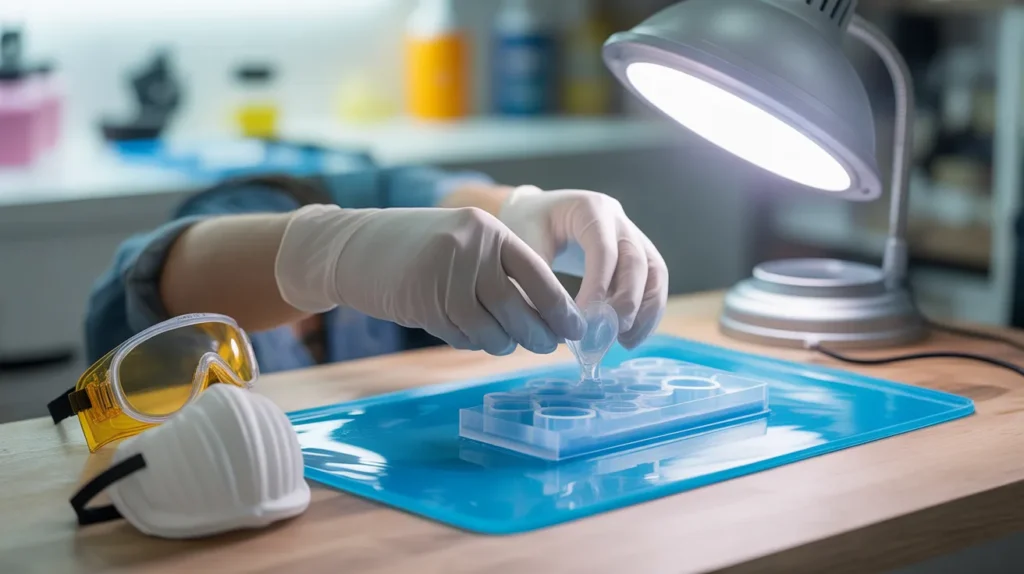
Curing projects properly is essential for achieving a durable finish while minimizing health risks. Following safe practices ensures both quality results and personal safety.
Use the Right UV Light
Select a UV lamp that matches the resin’s recommended wavelength and intensity. Overexposure or using an unsuitable lamp can affect curing time and may increase the risk of skin irritation.
Avoid Direct Skin Contact
While curing, ensure that your hands do not come into contact with uncured resin. Even a small amount left on the skin can cause irritation, so use tools like tweezers or silicone molds to handle pieces safely.
Maintain Safe Distances
Keep your face and other body parts away from the lamp. UV light can be harmful to eyes and skin over prolonged exposure. Using a protective shield or UV-blocking gloves adds an extra layer of protection.
Monitor Curing Time
Follow the manufacturer’s recommended curing duration closely. Over-curing can cause yellowing or brittleness, while under-curing may leave the surface tacky and prone to chemical exposure.
Work in a Ventilated Area
Even during curing, small amounts of fumes may be released. Ensure good airflow to prevent inhalation of any residual chemicals. By adhering to these practices, creators can ensure a smooth, strong finish while keeping the crafting environment safe and healthy.
Handling and Storage of UV Resin
Proper handling and storage are essential to maintain the quality of your materials and reduce the risk of accidents. Following simple guidelines can help ensure both safety and long-lasting results.
Store in a Cool, Dark Place
Keep resin containers away from direct sunlight and heat sources. Exposure to UV light can cause the liquid to cure prematurely, making it unusable. A closed cabinet or drawer in a cool area is ideal.
Use Airtight Containers
Ensure the resin is sealed tightly when not in use. Air exposure can affect its consistency and reduce shelf life. Always close the lid securely after each session.
Avoid Moisture and Contamination
Keep containers dry and clean. Water or dust entering the resin can impact curing quality and lead to imperfections in your projects.
Label and Separate Materials
Clearly label resin bottles and keep them separate from other household chemicals. This prevents accidental misuse or ingestion and makes it easier to track expiration dates.
Follow Disposal Guidelines
Do not pour leftover liquid down the drain. Follow local regulations for chemical disposal or allow small amounts to cure fully before discarding. Proper handling prevents environmental contamination and reduces safety risks. By practicing careful storage and handling, you can maintain the material’s effectiveness, protect your health, and create a safer crafting environment.
Environmental Considerations
Working with resin responsibly also means being mindful of its impact on the environment. Proper disposal and waste management can help reduce ecological harm while keeping your workspace safe.
Avoid Pouring Liquid Resin Down Drains
Uncured resin contains chemicals that can be harmful to water systems. Never pour leftover resin into sinks, toilets, or soil, as it can contaminate water and soil.
Allow Resin to Cure Before Disposal
Small amounts of leftover liquid can be poured into a silicone mold or container and left to fully harden. Once cured, the material is inert and safe to dispose of with regular household waste.
Minimize Waste
Measure resin carefully and only mix the amount you need for a project. Reducing excess liquid helps lower the amount of waste generated and decreases the risk of spills.
Use Eco-Friendly Alternatives When Possible
Some brands offer biodegradable or low-toxicity resins that have less environmental impact. Choosing these options can make crafting safer for both you and the planet.
Recycle and Repurpose
If possible, repurpose cured resin scraps for smaller projects or decorations instead of discarding them. This reduces waste and encourages sustainable crafting practices. By incorporating these practices, crafters can enjoy their projects while minimizing environmental harm and promoting a safer, cleaner workspace.
FAQs
Can resin be used indoors safely?
Yes, it can be used indoors as long as the area is well-ventilated. Opening windows, using fans, or working near an exhaust system helps reduce exposure to fumes.
Is cured resin non-toxic?
Fully cured resin is generally considered safe and inert. Most health risks come from the liquid form before it hardens, so handling uncured resin carefully is important.
What should I do if resin touches my skin?
Immediately wash the affected area with soap and water. Avoid rubbing, and if irritation occurs, discontinue use and consult a healthcare professional if necessary.
How can I prevent allergic reactions?
Wearing gloves, using protective clothing, and avoiding prolonged skin contact helps minimize the risk of irritation or sensitization. Some people may develop allergies over time, so always practice caution.
Can UV light used for curing be harmful?
Yes, direct exposure to UV light can damage eyes and skin. Always use a shield, protective gloves, or goggles when working with curing lamps.
How should leftover resin be disposed of?
Allow any leftover liquid to cure fully before discarding it with regular waste. Never pour uncured resin down drains, as it can be harmful to the environment.
Are there safer alternatives to traditional resin?
Some brands offer low-toxicity or eco-friendly resins that reduce chemical exposure and environmental impact. These can be a better choice for beginners or indoor use.
Conclusion
So, is UV resin safe to use? The answer is yes, but with proper precautions. While the uncured liquid can cause skin irritation, respiratory issues, or allergic reactions, following safety measures such as wearing gloves, using protective eyewear, ensuring proper ventilation, and handling the material carefully can significantly reduce these risks.
Fully cured resin is generally considered safe and stable, making it suitable for a wide range of crafts, from jewelry to decorative projects. By storing and disposing of the material responsibly and following best practices during curing, crafters can enjoy the creative benefits of this versatile medium without compromising their health or the environment. Ultimately, understanding the potential hazards and taking preventive steps ensures a safe and enjoyable crafting experience every time.