
1. Introduction
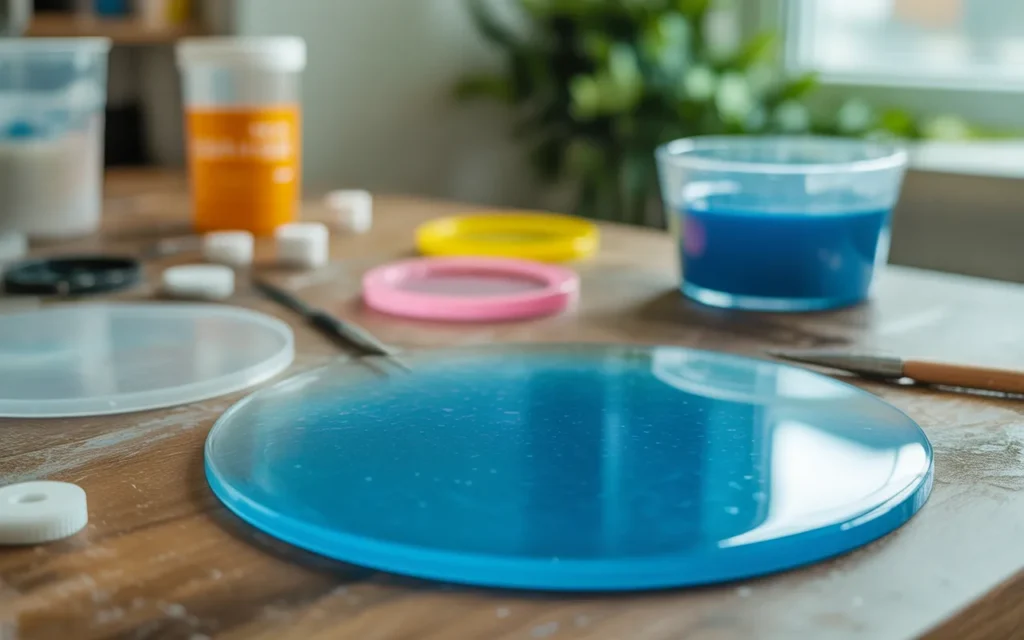
Resin has become a popular choice for crafters, DIY enthusiasts, and artists because of its versatility, glossy finish, and ability to create detailed designs. From jewelry making to small art projects and home décor, resin allows anyone to achieve professional-looking results at home.
However, many people wonder: does resin expire? Understanding whether resin has a shelf life is important because using old or expired resin can lead to poor curing, sticky surfaces, yellowing, or other problems that can ruin a project. In this guide, we’ll explore how long resin lasts, how to recognize if it has gone bad, and tips for proper storage to keep your resin in top condition.
By the end of this article, you’ll know exactly how to handle resin safely and ensure your projects turn out perfectly every time.
Table of Contents
2. Does Resin Expire? (Clear & Direct Answer)
Yes, all types of resin have a limited shelf life, and their effectiveness decreases over time. Most epoxy and UV resins can last anywhere from 6 to 12 months when unopened and stored correctly. Once the container is opened, exposure to air and moisture can shorten this period significantly.
Over time, the chemical components in resin may start to thicken, crystallize, or separate, making it difficult to mix and cure properly. Using old resin can result in incomplete hardening, sticky surfaces, or discoloration, which affects the quality and durability of your finished project.
It’s important to check the manufacturer’s expiration date and observe any changes in texture, colour, or smell before use. Even if the resin hasn’t reached its expiration date, improper storage such as heat, sunlight, or humidity—can accelerate deterioration.
By understanding these factors, crafters can avoid wasted materials and ensure that every project turns out as expected.
3. Shelf Life of Different Types of Resin
The longevity of resin varies depending on the type and formulation. Knowing the typical lifespan of each type helps ensure smooth, reliable results.
Epoxy Resin
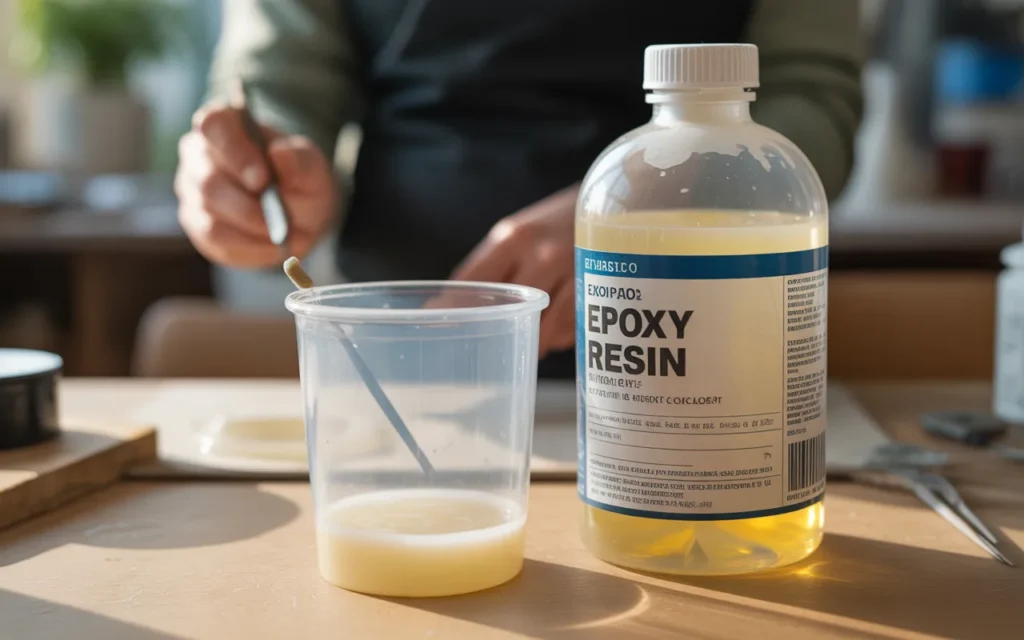
Epoxy is one of the most common resins used for crafts and small projects. Unopened epoxy can typically last 6 to 12 months, while opened containers may remain usable for 3 to 6 months if stored properly. Over time, epoxy can thicken or form lumps, which makes mixing and curing difficult.
UV Resin
UV resin cures quickly when exposed to ultraviolet light. Its shelf life is usually 6 to 8 months unopened. Because it’s sensitive to light and heat, exposure can degrade the resin faster, causing sticky or uneven curing.
Polyester Resin
Polyester resin is often used in larger art or industrial projects. Unopened, it can last up to a year, but once opened, it may start to react with air or moisture, reducing its effectiveness. Signs of degradation include cloudiness or separation of components.
Art Resin
Art resin formulations are designed for clear, glossy finishes and longer-lasting results. Unopened art resin can last 12 months or more, but exposure to heat, sunlight, or air can shorten this. Always store in a cool, dark place to maintain quality.
Understanding the typical shelf life of each resin type ensures that your projects cure correctly and prevents wasted materials. Proper storage can also extend usability, even beyond the average timeframe.
4. Signs Your Resin Has Expired
Using resin that has deteriorated can lead to project failures, so it’s important to recognize the warning signs before starting any work.
1. Thick or Crystallized Texture
If the resin has become unusually thick, lumpy, or has formed crystals, it may no longer mix or pour smoothly. This can affect curing and result in uneven surfaces.
2. Strong or Unusual Odor
A sour or chemical smell that is stronger than usual can indicate that the resin has started to break down. Fresh resin typically has a mild odor.
3. Discoloration or Yellowing
Clear or lightly tinted resins should remain transparent. Any yellowing, cloudiness, or dark spots is a sign that chemical changes are occurring.
4. Poor Curing or Sticky Surface
If the resin remains tacky or soft even after the recommended curing time, it has likely lost its effectiveness. This can cause weak or brittle finished pieces.
5. Separation of Components
Some resins may separate into layers over time. While minor separation can sometimes be mixed back in, significant separation can prevent proper curing and ruin projects.
By keeping an eye out for these signs, crafters can avoid wasted materials and ensure their projects maintain a professional finish. Proper inspection before use saves both time and money.
5. What Happens If You Use Expired Resin?
Using resin that has gone past its prime can lead to a range of issues that affect both the appearance and durability of your projects.
1. Soft or Tacky Finish
Expired resin often fails to harden completely, leaving a sticky or rubbery surface. This makes the piece unusable and difficult to handle.
2. Incomplete Curing
Chemical changes in old resin can prevent it from curing properly. Even after mixing and applying, the resin may remain partially liquid or take much longer to set.
3. Weak Durability
Projects made with old resin are more prone to cracking, chipping, or breaking because the cured material loses its structural strength.
4. Bubbles and Surface Defects
Aging resin may trap air during mixing or fail to level properly, resulting in bubbles, uneven textures, or rough surfaces that reduce the quality of your finished piece.
5. Discoloration or Cloudiness
Older resin can yellow or become cloudy, which affects the clarity and visual appeal of jewelry, art pieces, or other craft projects.
Using resin within its recommended period ensures a smooth, strong, and glossy finish. Always check the condition before starting a project to avoid wasted materials and frustration.
6. Factors That Affect Resin Shelf Life
Several factors can influence how long resin remains usable. Understanding these helps crafters maintain its quality and prevent wasted materials.
1. Exposure to Heat
High temperatures can speed up chemical reactions in resin, causing it to thicken, yellow, or cure prematurely. Storing resin in a cool environment is essential to maintain its integrity.
2. Sunlight and UV Exposure
Direct sunlight or UV light can break down resin over time, especially UV-sensitive formulations. Keep containers in a dark place to prevent degradation.
3. Moisture and Humidity
Resin is sensitive to moisture. High humidity can lead to cloudiness, bubbles, or improper curing, particularly for epoxy and polyester types.
4. Air Exposure After Opening
Once a container is opened, oxygen can start affecting the resin’s chemical balance. Prolonged exposure can thicken the resin or reduce its ability to cure properly.
5. Improper Storage Temperature
Extreme cold or fluctuating temperatures can alter resin’s consistency. Freezing may cause crystallization, while high heat accelerates chemical breakdown.
By controlling these factors, crafters can extend the usable life of their resin and ensure consistent, high-quality results in every project. Proper storage and handling are key to avoiding common problems like stickiness, yellowing, and poor curing.
7. How to Store Resin to Make It Last Longer
Proper storage is essential for keeping resin in good condition and ensuring it cures correctly every time. Here are the best practices:
1. Keep in a Cool, Dry Place
Store resin away from heat sources, heaters, or direct sunlight. A temperature between 60°F and 75°F (15°C–24°C) is ideal for maintaining its consistency.
2. Seal Containers Tightly
Air exposure accelerates chemical changes. Always close lids tightly and, if possible, place a layer of plastic wrap over the resin before sealing to minimize contact with oxygen.
3. Avoid Direct Sunlight
UV light can degrade resin, causing yellowing or thickening. Keep containers in a dark cupboard or opaque storage box.
4. Prevent Moisture Exposure
Humidity can lead to cloudiness and poor curing. Avoid storing resin in bathrooms, kitchens, or damp basements.
5. Avoid Freezing
Extremely low temperatures can cause crystallization or separation. If resin accidentally freezes, allow it to return to room temperature gradually before use.
By following these storage tips, resin can maintain its quality for months longer, ensuring smooth mixing, proper curing, and flawless finishes for all projects.
8. Can You Fix Expired Resin?
Sometimes, resin that has thickened or started to crystallize can still be salvaged, but it depends on the severity of the degradation.
1. Slightly Thickened Resin
If the resin has only become a bit viscous, gently warming it can help restore its flow. Place the sealed container in a bowl of warm water (around 100°F–110°F) for a few minutes and stir carefully until smooth. Avoid overheating, as this can damage the resin.
2. Crystallized Resin
Small crystals may dissolve with gentle warming and thorough mixing. However, if the resin has hardened into large chunks, it is unlikely to return to a usable state.
3. Separation Issues
Some separation can be fixed by mixing thoroughly, but if the components no longer combine properly or the resin fails to cure in a test batch, it should be discarded.
4. Safety Precautions
Always wear gloves and work in a well-ventilated area when handling aged resin. Test a small amount first to ensure it cures correctly before using it on larger projects.
While minor issues can sometimes be corrected, using fresh resin is always the safest way to ensure consistent results and avoid wasted materials.
9. How to Check Resin Before Starting a Project
Before committing to a full project, it’s important to test the resin to ensure it will cure properly and give the desired finish.
1. Perform a Small Test Batch
Mix a small amount of resin according to the manufacturer’s instructions. Pour it into a disposable container or mold to see how it behaves. This helps identify any issues without wasting a large amount of material.
2. Check Consistency and Viscosity
The resin should be smooth and pourable. Thickened or lumpy resin may not mix well and can lead to incomplete curing.
3. Observe Color and Clarity
Clear resin should remain transparent, while tinted resin should maintain an even color. Discoloration or cloudiness can indicate the resin is past its best.
4. Monitor Curing Time
Allow the test batch to cure fully. If it remains sticky or soft beyond the recommended time, the resin may be compromised and unsuitable for your project.
5. Inspect Surface Finish
Once cured, check for bubbles, uneven texture, or tackiness. Any of these issues suggest that the resin may not perform well in larger applications.
Performing these simple checks ensures consistent results, avoids wasted materials, and guarantees that your final project will have a smooth, durable, and professional finish.
10. FAQs
1. How long does epoxy resin last once opened?
Once opened, epoxy resin typically remains usable for 3 to 6 months, depending on storage conditions. Always check consistency and perform a small test batch before starting a project.
2. Can resin last two years?
Most resins are not recommended for use beyond 12 months unopened. Some art resins may last slightly longer if stored perfectly, but reliability decreases over time.
3. Does heat affect resin quality?
Yes, high temperatures can accelerate chemical reactions, causing thickening, yellowing, or premature curing. Store resin in a cool, stable environment to maintain its quality.
4. Why is my resin still sticky after 24 hours?
Stickiness often occurs when the resin has thickened, partially cured, or was mixed incorrectly. Testing a small batch first can prevent larger project failures.
5. Can you use old UV resin?
UV-sensitive formulations are especially prone to degradation from light and heat. Slightly aged UV resin may still work in small projects, but its curing ability and clarity may be compromised.
6. How do I know if resin is safe to use?
Check for proper consistency, color, clarity, and smell. A small test batch will confirm whether it cures correctly and produces a smooth finish.
11. Conclusion
Understanding the shelf life and proper handling of resin is essential for anyone working on crafts, jewelry, or art projects. Over time, even well-stored resin can degrade, affecting curing, durability, and the overall finish. By checking texture, color, and curing performance, and by storing materials in a cool, dry, and dark place, you can extend its usability and avoid common issues like stickiness, bubbles, or discoloration.
In summary, knowing does resin expire and how to identify changes ensures that every project turns out smooth, strong, and professional-looking. Regular inspection, proper storage, and small test batches are simple steps that save time, reduce waste, and guarantee high-quality results.