
Introduction
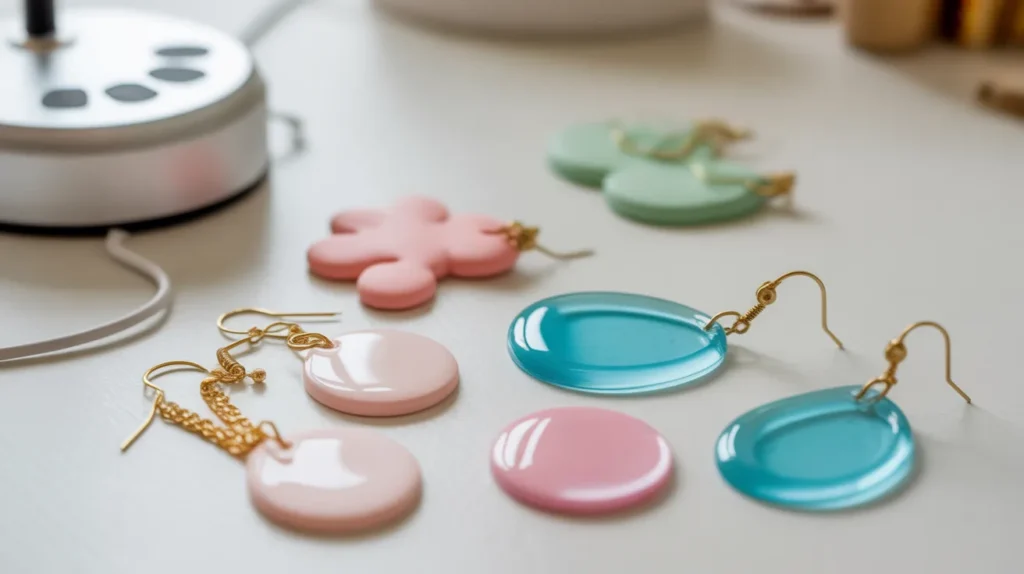
Finding the best UV resin for polymer clay is essential if you want a crystal-clear, glossy, and durable finish for your handmade jewelry and DIY crafts. The best UV resin for polymer clay cures quickly under UV light, resists yellowing, and creates a smooth protective coating on earrings, charms, pendants, and keychains. In this guide, you’ll discover the best UV resin for polymer clay, compare top products, and learn how to choose the right resin for professional-quality results.
Table of Contents
Quick Recommendations (For Fast Buyers)
Best Overall:
KISREL UV Resin 1000g
Great balance of price, size, fast curing, and clear finish.
Best Budget Option:
ULLFEU UV Resin Kit 1000g
Affordable per ounce and good for regular crafting.
Best for High-Gloss Finish:
ULLFEU UV Resin Kit 1000g
Designed for a strong glossy surface.
Low Odor Option:
KISREL UV Resin 300g
Lower odor and beginner-friendly.
Best for Small Jewelry Pieces:
KISREL UV Resin 300g
Perfect for thin coatings and small batches.
Comparison Table
| Product Name | Size | Curing Time | Viscosity | Odor Level | Finish Quality | Best For |
|---|---|---|---|---|---|---|
| KISREL UV Resin 300g | 300g | 1–3 mins | Thin | Low | Crystal clear, smooth | Beginners & small jewelry |
| ULLFEU UV Resin Kit 1000g | 1000g | ~5 mins | Thick | Low | High-gloss, dome finish | Glossy coating & bulk use |
| KISREL UV Resin 2000g | 2000g | 1–3 mins | Medium | Low | Hard, scratch-resistant | Business & high-volume use |
| KISREL UV Resin 1000g | 1000g | 1–3 mins | Medium | Low | Clear, non-sticky finish | Regular crafters |
Detailed Product Reviews
KISREL UV Resin 300g
Best For: Beginners and small jewelry projects
Size Available: 300g (other sizes available)
Cure Time: 1–3 minutes (36W UV lamp)
Pros:
- Very fast curing
- Crystal clear finish
- Low odor
Cons:
- Small size runs out quickly
- Not good for deep molds
Why It’s Good for Polymer Clay:
It works very well as a top coat. It levels nicely and cures hard without leaving a sticky layer, which is important for polymer clay earrings and charms.
Who Should Buy It:
If you are new to UV resin or make small batches of jewelry, this is a safe and easy option.
ULLFEU UV Resin Kit 1000g
Best For: High-gloss projects and bulk use
Size Available: 1000g
Cure Time: Around 5 minutes
Pros:
- Affordable per ounce
- Strong glossy finish
- Good yellowing resistance
Cons:
- Slightly thick (can trap bubbles)
- Longer cure time than some others
Why It’s Good for Polymer Clay:
If you want a thick, glass-like coating on your polymer clay pieces, this resin provides a strong glossy look.
Who Should Buy It:
Small business owners or regular crafters who need larger quantities at a better price.
KISREL UV Resin 2000g
Best For: High-volume users
Size Available: 2000g
Cure Time: 1–3 minutes
Pros:
- Excellent value for bulk size
- Fast curing
- Hard, scratch-resistant finish
Cons:
- Higher upfront cost
- Not water-resistant according to specs
Why It’s Good for Polymer Clay:
For sellers who coat many polymer clay pieces daily, this large kit reduces cost per project.
Who Should Buy It:
Resin business owners and experienced users.
KISREL UV Resin 1000g
Best For: Serious hobbyists and small shops
Size Available: 1000g
Cure Time: 1–3 minutes
Pros:
- Fast cure
- Clear and non-sticky finish
- Good size for regular use
Cons:
- Not ideal for very deep pours
- Slightly larger investment for beginners
Why It’s Good for Polymer Clay:
It creates a smooth, glossy seal that protects clay from scratches and keeps colors bright.
Who Should Buy It:
If you sell polymer clay jewelry or craft weekly, this is a strong overall choice.
Buyer’s Guide: How to Choose the Best UV Resin for Polymer Clay
Thickness (Viscosity)
Thin resin spreads easily for coating earrings. Thicker resin gives a dome effect but may trap bubbles.
Curing Speed
Most UV resins cure in 1–5 minutes. Make sure your UV lamp is at least 36W for full curing.
Yellowing Resistance
Very important for white, pastel, or light-colored clay. Look for “non-yellowing” formulas.
Odor & Safety
Low-odor resin is better for home crafting. Always work in a ventilated area.
Compatibility with Polymer Clay
Always fully bake your polymer clay before applying resin.
Clean the surface and remove dust or oil.
Finish Type
Most UV resins are glossy. If you want matte, you may need to sand the surface lightly after curing.
FAQs
What does odor level mean in UV resin?
Odor level refers to how strong or weak the smell of UV resin is during use and curing. Low-odor resins produce a mild smell, making them more comfortable for indoor crafting.
Is low odor UV resin safer to use?
Low odor UV resin is not automatically safer, but it is more comfortable to use. You should still work in a ventilated area and avoid direct inhalation of fumes.
Why does UV resin smell strong sometimes?
UV resin can smell strong due to its chemical components. Higher-quality resins usually have reduced odor formulas, while cheaper resins may have a stronger smell.
Which UV resin is best for low odor crafting?
For low odor crafting, products like KISREL UV resin are a good option because they are designed to reduce smell and are more beginner-friendly.
Does odor affect UV resin quality?
Odor does not directly affect curing quality, but low-odor resins are often more refined and easier to work with, especially indoors.
Can UV resin smell cause health issues?
Strong UV resin fumes may cause discomfort like headaches if used in poorly ventilated areas. Always use resin in a well-ventilated workspace.
How can I reduce UV resin smell while working?
You can reduce smell by:
Working in a ventilated area
Using low-odor resin
Avoiding close inhalation during curing
Is low odor UV resin good for jewelry making?
Yes, low odor UV resin is ideal for jewelry making because it makes the crafting process more comfortable, especially for long sessions.
Final Verdict
If you are looking for the best uv resin for polymer clay, our top overall recommendation is:
KISREL UV Resin 1000g
It offers fast curing, a clear glossy finish, and a practical size for both hobbyists and small sellers. For most crafters, this option gives the best balance between performance and value.
If you craft occasionally, the 300g version is usually enough for small batches and simple coating projects.
If you run a business and coat many pieces every week, the 2000g bulk kit may help reduce your cost per project in the long term. The best uv resin for polymer clay ultimately depends on how often you create earrings, charms, or keychains and how much resin you use each month.
Affiliate Disclosure
At bestresincrafts, some of the links in this article are affiliate links. This means we may earn a small commission if you purchase through these links—at no extra cost to you. We only recommend products we have researched and believe are helpful for polymer clay and resin crafting.