
1. Introduction
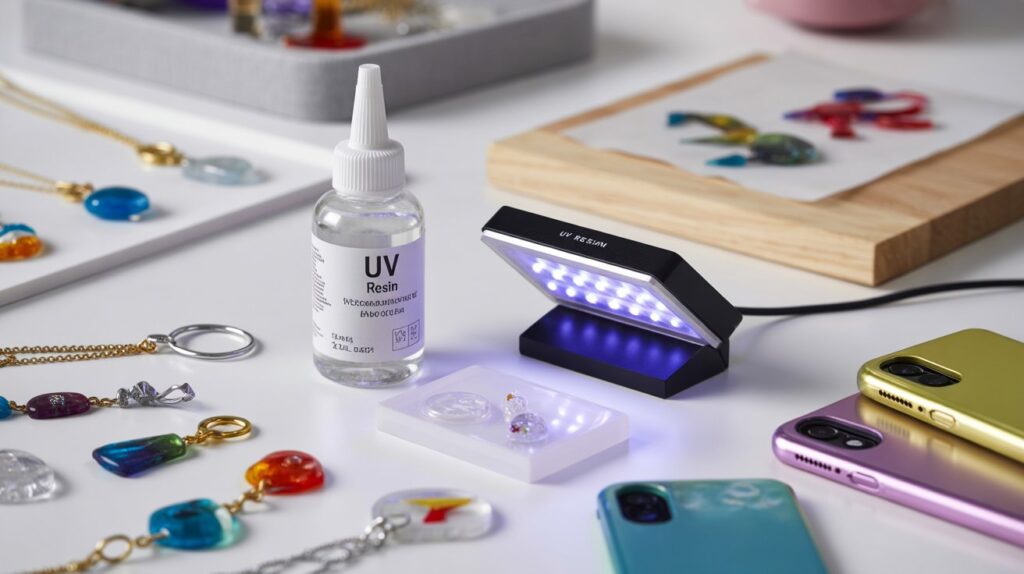
UV resin is a type of resin that quickly hardens when exposed to ultraviolet light. It is beginner-friendly because it doesn’t require mixing with a hardener, making crafting faster, cleaner, and less messy.
So, what is UV resin used for? It is ideal for small-scale projects such as jewelry, key chains, phone accessories, and protecting or sealing artwork. With its fast curing time and glossy finish, it allows creators to achieve polished results without complicated steps or long waiting periods.
Table of Contents
2. What Is the Purpose of UV Resin?
The main purpose of UV resin is to make crafting faster, easier, and more convenient especially for small projects. Unlike traditional resins that take hours to set, UV resin hardens within minutes under a UV lamp or sunlight. This quick curing time allows creators to finish their work faster and move on to the next step without long waiting periods.
Another key purpose of UV resin is simplicity. There is no need to mix it with a hardener, which reduces mistakes and mess. This makes it ideal for beginners who want professional-looking results without complicated processes. From adding a glossy top coat to creating small decorative items, UV resin helps turn creative ideas into finished pieces with less effort and more control.
3. Common Uses of UV Resin in Crafting
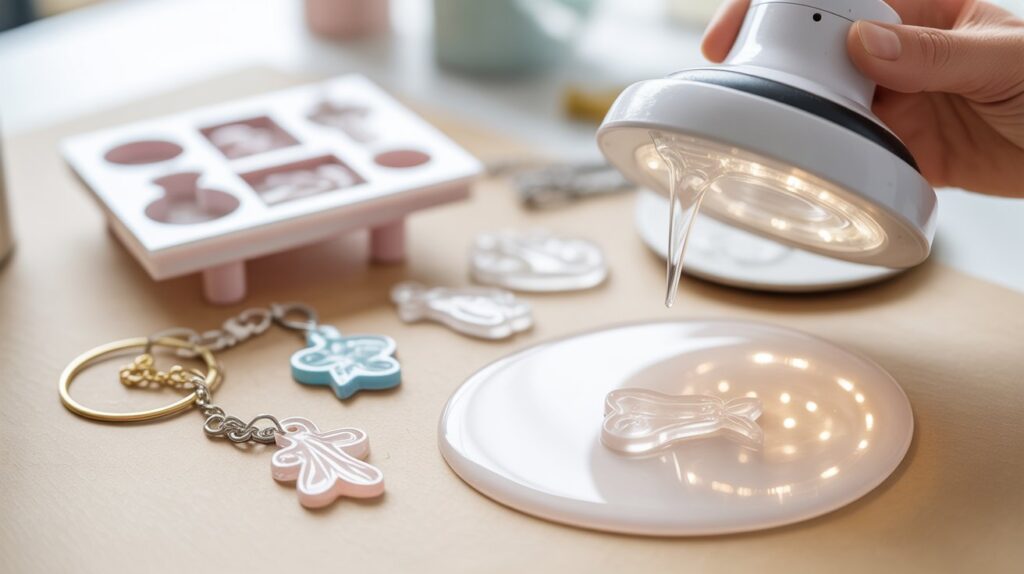
UV resin is widely used in crafting because it is easy to handle and cures quickly. One of its most popular uses is in jewelry making, where it helps create earrings, pendants, rings, and charms with a clear, glossy finish. Crafters often use it to seal glitter, dried flowers, beads, and small photos inside their designs.
Another common use is for coating and sealing. Many artists apply a thin layer over paintings, stickers, or paper crafts to protect them from water and scratches. UV resin is also great for small DIY projects like keychains, bookmarks, phone grips, and decorative tags. Because it sets fast and stays clear, it allows creators to complete detailed projects with clean and professional-looking results.
4. UV Resin for Jewelry & Accessories
UV resin is a popular choice for making earrings, pendants, and rings because it cures quickly and gives a clear, glossy finish. This makes it perfect for small jewelry pieces that need to look clean and professional. Since it hardens in minutes, creators can shape, adjust, and finish their designs without long waiting times.
It is also ideal for encapsulating flowers, glitter, and photos. Tiny decorative items can be sealed inside the resin to create beautiful, long-lasting keepsakes. Because UV resin stays transparent, it keeps colors bright and details sharp.One of the biggest advantages is how well it works for small, detailed projects. The fast curing time allows precise control, and the smooth texture helps fill molds evenly without bubbles. This makes UV resin especially useful when working on delicate designs that need accuracy and a flawless finish.
5. UV Resin in Art & Creative Projects
UV resin is widely used in art projects because it helps artists bring their ideas to life quickly and neatly. Many creators use it to add a glossy finish to paintings, illustrations, and mixed-media artwork. A thin resin layer can protect the surface from dust, moisture, and fading while giving the piece a polished, professional look.
It is also popular in miniature art and 3D designs, such as small sculptures, charms, and decorative elements. Since it cures fast, artists can build layers without long delays, making it easier to experiment with textures and effects. Whether sealing artwork or adding creative details, UV resin allows artists to work with more freedom and less waiting time.
6. UV Resin for Repairs & Protection
UV resin is very useful for small repairs because it bonds quickly and forms a strong, clear surface. It can fix tiny cracks, seal loose parts, and repair broken edges on items like plastic accessories, phone cases, glasses frames, and small decorations. Since it hardens in minutes, you don’t have to wait long to use the item again.
It is also great for protecting surfaces. Many people apply a thin layer to shield crafts, jewelry, and artwork from scratches, water, and everyday wear. The cured resin creates a smooth, glossy coating that keeps items looking new for longer. This makes it a simple and effective solution for both fixing and preserving small projects.
7. UV Resin in DIY & Home Projects
UV resin is a versatile material for DIY and home projects because it is easy to handle and cures quickly. Crafters can use it to make personalized items like keychains, bookmarks, decorative magnets, name tags, and small trays. Its fast-setting nature allows you to complete projects in minutes while achieving a smooth, glossy finish.
If you’re wondering what can I make with UV resin, the possibilities are endless. From embedding glitter, beads, or tiny photos to creating custom gifts and home décor, this material makes even beginner projects look professional. Its clarity and shine enhance small details, making each piece stand out beautifully.
8. What’s the Difference Between UV Resin and Epoxy Resin?
UV resin and epoxy resin are both popular for crafting, but they have some key differences. The most noticeable difference is curing time. UV resin hardens within minutes under a UV light or sunlight, while epoxy resin typically takes several hours to fully set. This makes UV resin ideal for small, quick projects, whereas epoxy is better suited for larger pours or layered designs.
Another difference is ease of use. UV resin does not require mixing, reducing the risk of mistakes and bubbles. Epoxy resin, on the other hand, must be combined with a hardener in precise ratios, which can be tricky for beginners. In terms of strength and durability, epoxy resin is generally stronger and more heat-resistant, making it a better choice for items that need to withstand more wear. Finally, UV resin works best for detailed, small-scale projects, while epoxy is preferred for larger, more structural pieces.
9. Does UV Resin Need Hardener?
UV resin does not require a hardener to cure. Unlike traditional epoxy resin, which needs to be mixed with a separate hardening agent, UV resin hardens on its own when exposed to UV light or sunlight. This makes it much easier to use, especially for beginners who want quick results without complicated steps.
The curing process relies entirely on UV light to trigger a chemical reaction that solidifies the resin. This allows creators to work with precision, building layers or embedding small decorations without waiting hours. Because no hardener is needed, projects are cleaner, less messy, and less prone to mistakes, making it ideal for small crafts, jewelry, and detailed art pieces.
10. Can Resin Cure Without UV Light?
Resin designed to cure under UV light will not fully harden without exposure to a UV source. While placing it in sunlight may work to some extent, the process will be slower and less reliable compared to using a UV lamp. Without sufficient UV exposure, the resin can remain sticky, soft, or uneven, making it unsuitable for most projects.
For those looking to work without UV light, epoxy or polyester resins are better alternatives, as they cure through a chemical reaction with a hardener rather than light. Using the right type of resin ensures that your projects set properly and achieve a strong, durable finish. Always follow the manufacturer’s instructions to avoid incomplete curing and achieve the best results.
11. Pros and Cons of Using UV Resin
When learning what is UV resin used for, it’s important to understand its advantages and limitations.
Pros:
- Fast curing: Projects harden within minutes under UV light, saving time.
- Easy to use: No mixing with hardener is needed, reducing mistakes and mess.
- Great for small details: Ideal for jewelry, charms, and intricate designs.
- Clear and glossy finish: Creates professional-looking results with minimal effort.
Cons:
Not ideal for large projects: Best suited for small crafts and decorative items.
Limited thickness: UV resin works best in thin layers; thick pours may not cure evenly.
Requires light exposure: Full curing depends on a UV lamp or direct sunlight.
Less durable than epoxy: It is not as strong or heat-resistant as traditional epoxy resin.
12. Who Should Use UV Resin?
This type of resin is ideal for beginners who want to try crafting without complicated steps or long curing times. Its fast-setting nature and easy handling make it perfect for people who are just starting with jewelry making, DIY projects, or small art creations.
It is also suitable for hobbyists and small business creators who need to produce detailed pieces quickly. Crafters who work on jewelry, keychains, charms, and other small decorative items will find it especially useful. Anyone looking for a clean, beginner-friendly way to create glossy, professional-looking pieces can benefit from using UV resin.
13. Final Thoughts
UV resin is a versatile and beginner-friendly material that makes crafting faster and easier. Its quick curing time, ease of use, and clear, glossy finish make it perfect for jewelry, small décor, and creative art projects. Whether you are embedding flowers, adding glitter, or protecting your artwork, this resin allows you to achieve professional-looking results with minimal effort.
While it has some limitations, such as thinner layers and reliance on UV light, it remains an excellent choice for small-scale projects and detailed designs. By understanding its uses, advantages, and proper techniques, creators of all levels can confidently explore new DIY ideas and bring their creative visions to life.
14. Conclusion
Understanding what is UV resin used for can help beginners and hobbyists make the most of this versatile material. It is perfect for small jewelry pieces, decorative items, artwork, and DIY projects that require a clear, glossy finish and fast curing time. Its ease of use, quick setting, and ability to capture fine details make it a favorite among crafters of all skill levels.
By exploring its applications, advantages, and limitations, you can confidently choose the right projects and techniques to get professional results. Whether you are creating gifts, home décor, or personal accessories, UV resin offers a simple and effective way to turn your creative ideas into reality.
15. FAQs
1. What is UV resin used for?
UV resin is primarily used for crafting small items like jewelry, charms, keychains, decorative pieces, and artwork. It’s perfect for projects that need a clear, glossy finish and fast curing.
2. What is the purpose of UV resin?
The main purpose is to create professional-looking, fast-setting crafts and art pieces. It helps beginners and hobbyists complete detailed projects quickly and with minimal effort.
3. What do you do with UV resin?
You can pour it into molds, embed decorations like flowers, glitter, or photos, seal artwork, or coat surfaces to give them a smooth and protective layer.
4. What to mix with UV resin?
UV resin is ready to use and does not need any mixing. However, you can add pigments, mica powders, alcohol inks, or small decorative items to customize your projects.
5. How to add color to UV resin?
Add resin pigments, mica powders, alcohol inks, or liquid dyes directly into the resin. Stir gently to avoid bubbles and maintain a clear, vibrant finish.
6. Does UV resin need hardener?
No, UV resin does not require a hardener. It hardens automatically when exposed to UV light or sunlight, making it simple and beginner-friendly.
7. Do I need a hardener with UV resin?
There’s no need for hardener at all. The curing process relies entirely on UV exposure to set the resin.
8. Can resin cure without UV?
UV resin will not fully harden without a UV source. Sunlight may work but is slower and less reliable. For curing without UV, epoxy or polyester resin is recommended.
9. How long does it take for UV resin to cure?
Under a UV lamp, resin usually cures in 2–5 minutes depending on thickness. Sunlight can also work but may take longer and be less consistent.