
1. Introduction
Ultraviolet light, or UV light, is a type of light energy that comes from the sun and can also be produced by special lamps and LED devices. Although it is invisible to the human eye, it has many useful applications in daily life and different industries.
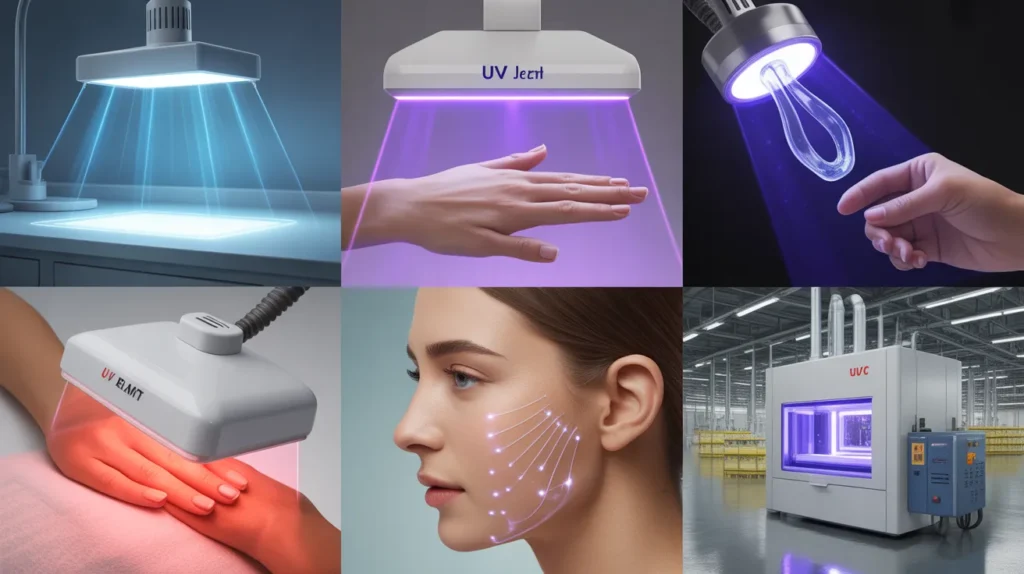
Many people ask what is UV light used for. UV light is mainly used for sterilization and disinfection, curing UV resin and adhesives, drying gel nail polish, and medical treatments for certain skin conditions. It is also used in water purification, air cleaning, and counterfeit detection. Because of these powerful abilities, UV light has become an important technology in healthcare, beauty, manufacturing, and crafting.
Table of Contents
2. What Is UV Light?
Ultraviolet light is a type of electromagnetic radiation that comes from the sun and can also be produced by artificial sources such as UV lamps and LED devices. It has a shorter wavelength than visible light, which means the human eye cannot see it.
Ultraviolet radiation is usually divided into three main types: UVA, UVB, and UVC. UVA has the longest wavelength and is commonly used in tanning beds and nail lamps. UVB is the type responsible for sunburn and plays a role in helping the body produce vitamin D. UVC has the shortest wavelength and is very powerful, which is why it is widely used for sterilization and disinfection.
Because of these unique properties, ultraviolet technology is used in many areas such as sanitation, manufacturing, beauty treatments, and scientific research.
3. UV Light for Sterilization and Disinfection
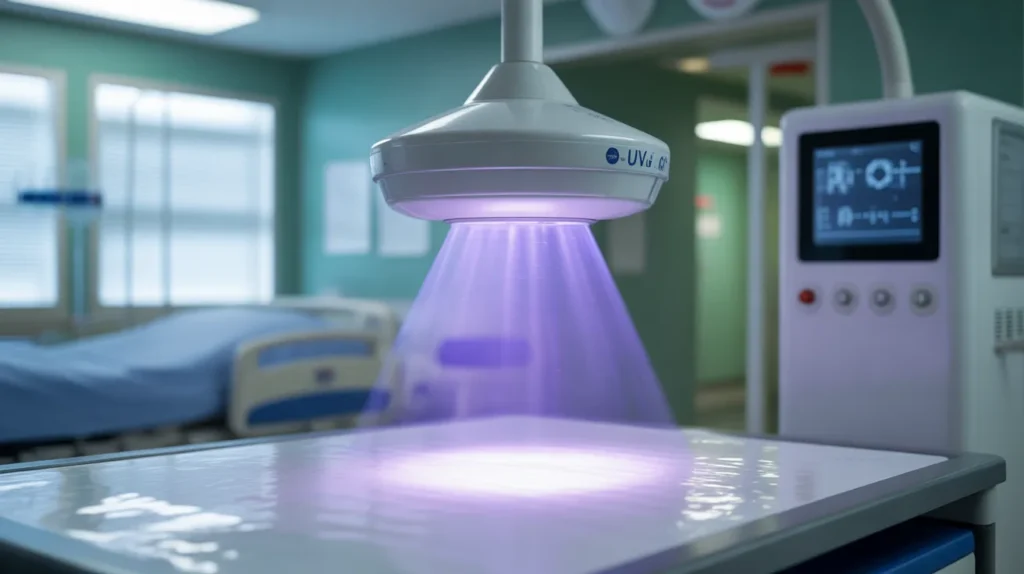
Ultraviolet radiation is widely used for sterilization and disinfection because it can destroy harmful microorganisms. The UVC type is especially effective at killing bacteria, viruses, and mold by damaging their DNA, which stops them from reproducing.
This technology is commonly used in hospitals, laboratories, and medical equipment cleaning to maintain a hygienic environment. Many water purification systems also use ultraviolet lamps to remove harmful microorganisms from drinking water without using chemicals.
In addition, UV-based disinfection is used in air purifiers and surface sanitizing devices. These systems help improve indoor air quality and reduce the spread of germs in homes, offices, and public spaces.
4. UV Light in Resin Curing and Crafting
Ultraviolet technology is widely used in resin curing, especially in DIY crafts and jewelry making. Special UV resin hardens quickly when exposed to a UV lamp or LED light. This process, called curing, changes the liquid resin into a solid and durable material within a few minutes.
Because of its fast curing time, many crafters use this method to create earrings, pendants, keychains, and decorative items. It allows makers to finish projects quickly without waiting hours for the resin to dry.
UV curing is also helpful for adding clear coatings and small repairs in craft projects. With the right lamp and proper curing time, the finished pieces become smooth, glossy, and strong.
5. UV Light in Nail and Beauty Industry
Ultraviolet technology is widely used in the nail and beauty industry, especially for curing gel nail polish. Nail salons use special UV or LED nail lamps to harden gel polish quickly. When the polish is placed under the lamp, it cures in a few minutes and becomes strong and long-lasting.
This method is popular because gel nails dry faster and last longer than regular nail polish. The curing process also helps create a smooth, glossy finish that resists chipping.
Many professional salons and home users rely on these lamps to achieve durable nail designs efficiently. However, it is recommended to follow proper curing time and avoid unnecessary exposure to maintain safe use.
6. UV Light in Medical Treatments
Ultraviolet radiation is also used in medical treatments, especially in a method called phototherapy. In this treatment, controlled exposure to specific wavelengths helps manage certain skin conditions.
Doctors often use this therapy to treat problems such as psoriasis, eczema, and vitiligo. The light slows the growth of affected skin cells and helps reduce inflammation, which can improve the appearance and health of the skin over time.
These treatments are carefully monitored by medical professionals to ensure safe exposure levels. With proper supervision, phototherapy has become an effective option for patients who need long-term skin care treatment.
7. UV Light in Industrial and Manufacturing Applications
Ultraviolet technology is widely used in industrial and manufacturing processes, especially for curing inks, coatings, and adhesives. In this process, special materials harden quickly when exposed to ultraviolet lamps, which helps speed up production.
This curing method is commonly used in printing, electronics, automotive parts, and packaging industries. It allows manufacturers to dry coatings and adhesives within seconds instead of waiting for them to air dry.
Another advantage is efficiency. UV curing systems reduce production time, improve product durability, and lower energy use. Because of these benefits, many modern factories use this technology to improve manufacturing quality and productivity.
8. UV Light in Security and Forensics
Ultraviolet technology is used in security and forensic applications to detect things that are invisible to the naked eye. For example, it helps identify counterfeit money, fake documents, and forged IDs by revealing special inks or markings.
In forensic science, investigators use UV lamps to find blood traces, bodily fluids, or invisible evidence at crime scenes. The light causes certain substances to glow or fluoresce, making it easier to collect evidence for analysis.
These applications make ultraviolet tools valuable in both law enforcement and financial security, providing a fast and reliable method for detection and verification.
9. Safety Tips When Using UV Light
While ultraviolet technology is highly useful, it can be harmful if not used properly. Direct exposure to UVC or strong UVA rays can damage the skin and eyes, so precautions are important.
Always wear protective glasses when working with UV lamps, especially in medical, industrial, or crafting applications. Avoid looking directly at the light, and limit skin exposure.
For devices like nail lamps or resin curing lamps, follow the recommended usage time and manufacturer instructions. Keep UV equipment out of reach of children and use it in well-ventilated areas when possible. By following these simple safety measures, you can use ultraviolet tools effectively while minimizing risks.
10. Conclusion
Ultraviolet light plays an important role in many areas of modern life. From sterilizing surfaces and purifying water to curing resin, gel nails, and industrial coatings, its applications are diverse and highly effective. It is also used in medical treatments, forensic investigations, and security measures.
If you’ve ever wondered what is UV light used for, now it’s clear that this technology is essential in healthcare, beauty, crafting, industry, and safety. With proper precautions, UV tools can provide efficient, reliable, and safe solutions across many fields.
11. FAQs
1. What is ultraviolet light?
Ultraviolet light is a type of invisible electromagnetic radiation with shorter wavelengths than visible light.
2. How does UV sterilization work?
UV sterilization kills bacteria, viruses, and germs by damaging their DNA, preventing them from reproducing.
3. Can UV light cure resin?
Yes, UV resin hardens quickly under a UV lamp or LED light, making it perfect for crafting and jewelry projects.
4. Is it safe to use a UV nail lamp?
Yes, when used for the recommended time and with protective measures, UV nail lamps are safe for gel polish curing.
5. What types of UV light exist?
There are three main types: UVA, UVB, and UVC, each with different uses in health, beauty, and sterilization.
6. How is UV used in water purification?
UVC lamps disinfect water by killing harmful microorganisms without using chemicals.
7. Can UV light be used for medical treatments?
Yes, controlled UV exposure, known as phototherapy, is used to treat skin conditions like psoriasis and eczema.
8. How is ultraviolet light applied in industry?
It is used to cure inks, coatings, and adhesives quickly in manufacturing and printing processes.
9. Can UV detect counterfeit money?
Yes, forensic UV lamps reveal invisible security inks used in banknotes and official documents.
10. What safety precautions should be taken with UV devices?
Always wear protective glasses, avoid direct exposure, and follow manufacturer instructions for safe use.