
1️⃣ Introduction
If you work with UV resin, choosing the right curing lamp is very important. Many beginners ask what is the best UV light for curing resin because the type of lamp you use can affect how quickly and evenly the resin hardens. A good UV light helps resin cure faster, reduces sticky surfaces, and gives your projects a clear and smooth finish.
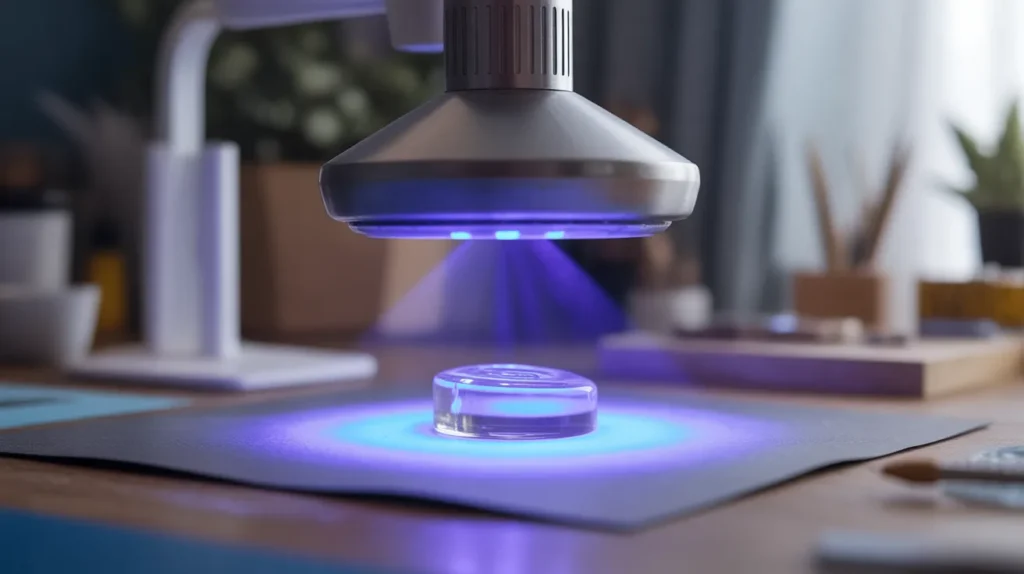
UV resin hardens when it is exposed to ultraviolet light. This process is called UV curing, and it allows resin to solidify within seconds or minutes instead of hours. Because of this, many resin artists use a UV resin curing lamp or LED UV light to cure jewelry, molds, keychains, and other small crafts.
However, not all UV lights work the same way. Factors like lamp wattage, UV wavelength, curing speed, and coverage area can make a big difference in how well the resin cures. Some lamps are designed for small resin jewelry pieces, while others are powerful enough to cure larger resin molds.
In this guide, we will explain what is the best UV light for curing resin, what features you should look for, and which types of lamps work best for different resin projects. This will help you choose the right UV lamp and get better results in your resin crafts.
2️⃣ Why UV Light Is Important for Resin Curing
UV resin is specially designed to harden when it is exposed to ultraviolet light. Unlike traditional epoxy resin, which may take several hours or even days to fully cure, UV resin can become solid within minutes when the correct light source is used. This quick curing process is one of the main reasons why UV resin is popular for jewelry making, small crafts, and detailed decorative projects.
The curing process works through a reaction called polymerization. When ultraviolet light hits the liquid resin, it activates special chemicals inside the resin called photoinitiators. These chemicals start a reaction that changes the resin from a liquid into a strong, solid material. Without enough ultraviolet exposure, this reaction cannot happen properly.
Using a proper UV lamp also helps ensure that the resin cures evenly. If the light is too weak or inconsistent, the surface may remain sticky or soft. This can affect the appearance and durability of the finished piece. A reliable curing lamp provides steady light that helps the resin harden completely and produce a clear, smooth finish.
Another reason ultraviolet curing is important is consistency. Natural sunlight can sometimes cure UV resin, but it is not always dependable because weather conditions and light intensity change throughout the day. A dedicated curing lamp provides controlled light, which makes the curing process faster and more predictable. For resin artists and beginners alike, using the right ultraviolet light source helps improve the quality of projects, reduces curing problems, and saves time during the crafting process.
3️⃣ Types of UV Lights Used for Resin
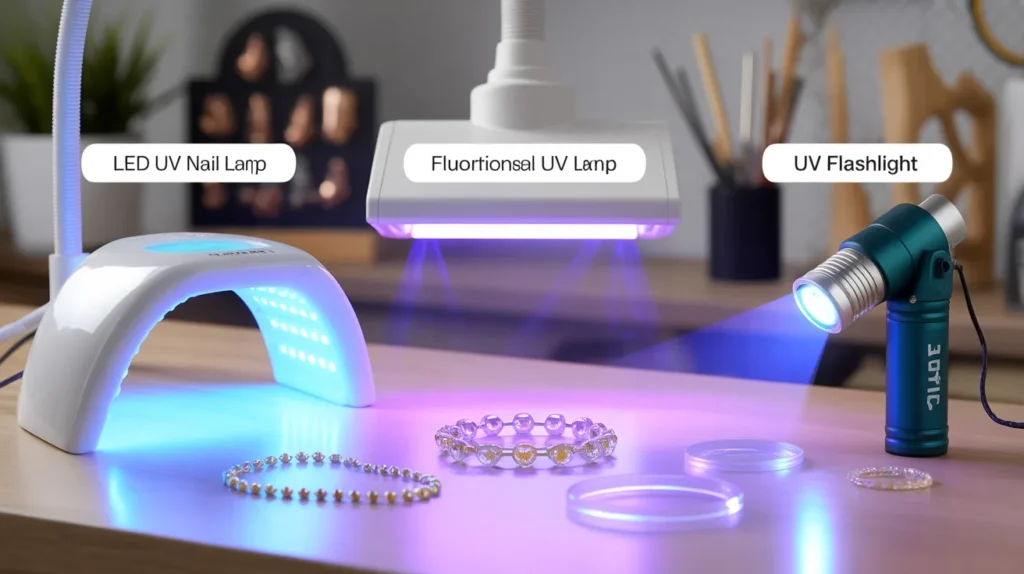
Different types of ultraviolet lamps can be used to cure resin. Each type has its own features, curing speed, and best use cases. Choosing the right type depends on the size of your project, how often you work with resin, and the level of convenience you want.
LED UV Lamps
LED UV lamps are one of the most popular options for resin crafts. These lamps use LED technology to produce ultraviolet light that helps the resin cure quickly and evenly. They are known for their fast curing speed and long lifespan.
Most LED lamps are lightweight and energy efficient. Many models also include timer settings and automatic sensors, which make them easy to use. Because of these advantages, LED lamps are commonly used for resin jewelry, keychains, and small decorative pieces.
Traditional UV Lamps
Traditional ultraviolet lamps use fluorescent UV bulbs to produce light. These lamps were widely used before LED technology became common. They can still cure resin effectively, but the curing process may take a little longer compared to LED lamps.
Another difference is that traditional bulbs usually need replacement after some time. However, these lamps are often more affordable, which makes them a budget-friendly option for beginners who are just starting with resin crafts.
UV Flashlights
UV flashlights are small, portable lights that can also cure resin. They are useful for small projects or for fixing small areas that need extra curing. Many resin artists use them when working on detailed jewelry designs or when they want to quickly cure a small drop of resin.
Because of their compact size, UV flashlights are easy to carry and store. However, they usually have a smaller light coverage area, so they may not be ideal for curing large molds or multiple pieces at the same time. Each of these ultraviolet light options can work well for resin projects. The best choice depends on the type of crafts you create and how much curing power and coverage you need.
4️⃣ What to Look for in the Best UV Light for Curing Resin
Choosing a suitable curing lamp can greatly affect the quality and speed of resin projects. Several important features determine how effectively a lamp can harden resin and produce a smooth, durable finish. Understanding these factors helps you select a lamp that works reliably for different craft projects.
Wattage and Power Output
The power of a UV lamp is usually measured in watts. Higher wattage generally means stronger light intensity, which can reduce curing time and improve how deeply the light penetrates the resin. For most craft projects, lamps with around 36W or more are commonly used because they provide faster and more consistent curing than very low-power lamps.
UV Wavelength Compatibility
The wavelength of the lamp must match the requirements of the resin. Most UV resins respond best to light in the 365–405 nanometer range, which activates the chemicals in the resin that start the hardening process. If the wavelength does not match the resin formulation, the piece may remain soft or sticky even after long exposure to light.
Curing Speed and Efficiency
Curing speed depends on the combination of light intensity, wavelength, and exposure time. A well-designed lamp provides enough energy to harden thin layers quickly while also curing deeper sections properly. Stronger lamps and efficient LED technology often allow small projects to cure within seconds to a few minutes.
Lamp Size and Coverage Area
The physical size of the lamp determines how much surface area can be cured at once. Smaller lamps or flashlights are useful for detailed work and jewelry pieces, while larger lamps are better for molds or multiple items at the same time. Choosing a lamp with the right coverage area ensures even exposure across the entire project.
Timer Settings and Ease of Use
Many modern curing lamps include built-in timers such as 30, 60, or 120 seconds. These settings help control the curing process and prevent overexposure. Timers also make the process easier because the lamp automatically turns off after the selected time.
Build Quality and Lifespan
Durability is another factor to consider. LED-based lamps often last tens of thousands of hours and require very little maintenance compared with older bulb-based lamps. A well-built lamp can provide consistent performance for a long time, making it a better investment for regular resin crafting. By paying attention to these features power, wavelength, curing efficiency, coverage, usability, and durability—you can choose a curing lamp that delivers reliable results and helps improve the quality of your resin projects.
5️⃣ Product Comparison Categories
When comparing different curing lamps for resin projects, it is helpful to look at several important features. These categories make it easier to understand how each lamp performs and which option is suitable for your crafting needs.
Wattage and Curing Power
Wattage shows how powerful the lamp is. Higher wattage usually produces stronger ultraviolet light, which can help resin cure faster and more evenly. Lamps with higher power are often better for thicker layers of resin or for curing multiple pieces at once.
UV Wavelength Compatibility
Different resins respond to specific ultraviolet wavelengths. Many resins cure effectively within the 365nm to 405nm range. A lamp that supports this range will activate the chemicals inside the resin more efficiently and help the material harden properly.
Resin Curing Time
Curing time is another important factor. Some lamps can harden thin resin layers in less than a minute, while others may take longer. Faster curing can save time and improve workflow, especially if you create many pieces in one session.
Lamp Size and Coverage Area
The size of the lamp determines how much space it can cover. Small lamps work well for detailed items such as jewelry and charms, while larger lamps provide enough space for molds, trays, or several pieces at once. A wider curing area helps ensure even exposure to ultraviolet light.
LED vs Traditional UV Technology
Modern LED lamps are widely used because they provide stable light output and longer operating life. Traditional UV lamps use bulbs that may take longer to cure resin and may require replacement over time. Understanding the difference between these technologies helps when comparing overall performance.
Build Quality and Durability
A well-constructed lamp can last much longer and maintain stable performance. Strong materials, good heat management, and reliable internal components help ensure the lamp works consistently during repeated use.
Timer Settings and Smart Features
Many curing lamps include built-in timers, automatic sensors, or simple control buttons. These features make the curing process easier by allowing you to select a specific time and avoid overexposure.
Price and Overall Value
Price is also an important comparison point. Some lamps are more affordable and suitable for beginners, while others offer stronger power and advanced features for frequent users. Looking at the balance between cost, performance, and durability helps determine the overall value. By evaluating lamps through these categories, it becomes much easier to identify which model provides the right combination of power, convenience, and reliability for resin crafting projects.
6️⃣ Best UV Lights for Curing Resin (Top Picks)
Choosing a reliable curing lamp can improve the quality and speed of resin projects. Below are some popular options used by many resin artists and craft makers. These lamps offer good curing performance, useful features, and dependable results for jewelry and small resin crafts.
SUNUV SUN2C UV LED Nail Lamp
This lamp is widely used for gel nails but also works well for curing UV resin. It uses LED technology to provide strong and even ultraviolet light. The lamp includes smart sensor activation and multiple timer settings, which makes it easy to use for beginners.
Key Features
- 48W power for faster curing
- Smart sensor that turns on automatically
- Multiple timer settings
- Long LED lifespan
Pros
- Fast and even curing
- Beginner-friendly design
- Durable LED lights
Cons
- Limited space for very large molds
LED lamps like this are popular because they cure resin quickly while using less energy and lasting longer than older bulb-based lamps.
MelodySusie 54W UV LED Nail Lamp
This lamp provides stronger curing power and a wider coverage area. It is commonly used by people who make resin jewelry or small decorative pieces regularly.
Key Features
- 54W high-power LED system
- Several timer options
- Wide curing area
- Long LED lifespan
Pros
- Strong curing power
- Suitable for multiple pieces at once
- Reliable performance
Cons
- Slightly larger size
Higher wattage lamps can shorten curing time and improve penetration through thicker resin layers.
Beetles UV LED Nail Lamp 48W
This lamp is a good option for beginners who want a simple and affordable curing light. It provides stable light output and easy timer controls.
Key Features
- 48W curing power
- Compact and lightweight design
- Timer settings for controlled curing
- Suitable for small crafts
Pros
- Budget-friendly
- Easy to operate
- Good for small projects
Cons
- Not ideal for large molds
KISREL 36W Resin Curing Lamp
The KISREL curing lamp is designed specifically for resin crafts. It uses a dual-wavelength system that helps cure resin more evenly and efficiently.
Key Features
- 36W curing power
- Dual wavelength LEDs (365nm and 405nm)
- Compact and portable design
- Multiple timer options
Pros
- Even curing from multiple angles
- Good for jewelry and detailed crafts
- Flexible design with detachable parts
Cons
- Smaller curing area
Dual-wavelength lamps help activate photoinitiators in resin more effectively, which improves the curing process.
Winartton 54W Portable UV Resin Lamp
This model is known for its portable and foldable design. It is lightweight and easy to store, which makes it useful for small craft workspaces.
Key Features
- 54W power output
- Foldable design
- Adjustable stand
- Wide wavelength coverage
Pros
- Portable and easy to store
- Even curing across projects
- Suitable for molds and jewelry
Cons
- May require careful positioning for large pieces
High-power lamps with broad wavelength coverage help produce fast and even curing without sticky spots or uneven finishes.
Overall, these curing lamps provide reliable performance for most resin crafting needs. The best option depends on factors such as curing power, project size, and available workspace. Beginners often prefer compact lamps, while experienced resin artists may choose higher-power models for faster and more consistent results.
7️⃣ How to Choose the Right UV Lamp for Resin Projects
Selecting a suitable curing lamp depends on the type of resin projects you create and how often you work with resin. Different lamps offer different levels of power, size, and convenience. Understanding your needs can help you choose a lamp that gives reliable results.
Consider Your Project Size
The size of your resin projects plays an important role when choosing a curing lamp. If you mainly create small items like jewelry, charms, or keychains, a compact lamp with a smaller curing area will usually be enough. However, if you work with larger molds or multiple pieces at the same time, a lamp with a wider coverage area will help ensure even curing.
Check the Wattage
Lamp power affects how quickly resin hardens. Higher wattage lamps generally produce stronger ultraviolet light, which can reduce curing time and improve the curing depth. For most resin crafts, lamps in the mid-range power level provide a good balance between efficiency and energy use.
Look at the Wavelength Range
Most UV resins cure effectively under wavelengths between 365nm and 405nm. Lamps that support this range help activate the chemicals in the resin more efficiently. Choosing a lamp with the correct wavelength range helps avoid problems such as soft or sticky surfaces.
Think About Ease of Use
User-friendly features can make the curing process much easier. Many lamps include built-in timers, automatic sensors, and simple control buttons. These features allow you to set the curing time and let the lamp turn off automatically when the cycle is finished.
Consider Portability and Storage
If you have a small workspace or move your tools frequently, a lightweight or foldable lamp may be more convenient. Portable lamps are easier to store and transport while still providing enough curing power for most small resin projects.
Balance Price and Quality
Price is another factor to consider, especially for beginners. While budget lamps can work well for basic projects, higher quality lamps often provide better durability and more stable light output. Choosing a lamp that balances price with performance can be a better long-term investment.
By considering these factors project size, power level, wavelength range, ease of use, portability, and overall value you can select a curing lamp that fits your crafting style and helps produce clear, fully hardened resin pieces.
8️⃣ Common Mistakes When Curing Resin With UV Light
Curing resin with ultraviolet light is simple, but small mistakes can affect the final result. Problems such as sticky surfaces, incomplete hardening, or cloudy finishes often happen because of incorrect curing techniques. Understanding these mistakes helps you achieve better results.
Using a Low-Power Lamp
A lamp with insufficient power may not provide enough light to fully harden the resin. Low wattage lamps can result in soft or sticky surfaces because the curing process is incomplete. Choosing a lamp with adequate power helps the resin cure evenly and completely.
Curing Too Thick Layers
Resin should usually be applied in thin layers. Thick layers can block ultraviolet light from reaching deeper parts of the material. If the light cannot penetrate properly, the inner portion may remain soft. Applying resin in multiple thin layers helps avoid this problem.
Incorrect Wavelength Settings
Resin responds best to specific ultraviolet wavelengths. If the lamp does not support the correct range, the curing process may be weak or uneven. Most resins work well with wavelengths between 365nm and 405nm, so using a compatible lamp improves curing performance.
Not Rotating or Adjusting the Piece
Some resin pieces may not receive even exposure to light if they are positioned incorrectly. Rotating the item or adjusting its angle during curing helps expose all surfaces to ultraviolet light. This reduces the risk of soft spots or uneven finishes.
Curing for Too Short or Too Long
Both under-curing and over-curing can cause problems. If the curing time is too short, the resin may remain sticky or soft. If the exposure time is excessively long, it can sometimes affect the surface quality. Following the recommended curing time for your resin product helps achieve better results.
Using Dirty or Dusty Resin Surfaces
Dust, fingerprints, or debris on the resin surface can interfere with the curing process and affect the final appearance. Cleaning the resin before curing helps produce a smooth and clear finish.
Not Following Manufacturer Instructions
Different resin brands may have slightly different curing requirements. Always check the product instructions for recommended curing times and lamp settings. Following these guidelines reduces the chance of curing problems.
By avoiding these common mistakes, you can improve the quality of your resin projects and achieve stronger, clearer, and more professional results. Proper curing techniques help ensure that your resin pieces harden correctly and maintain their appearance over time.
9️⃣ FAQs
1. Which UV lamp is best for resin curing?
LED UV lamps with 365nm–405nm wavelength work best and cure resin faster.
2. Can a nail UV lamp cure resin?
Yes, most nail UV LED lamps can cure resin, but curing time may vary.
3. How long should I cure resin?
Thin layers cure in 30–120 seconds. Follow product instructions for best results.
4. Why is resin sticky after curing?
It happens due to low power, wrong wavelength, or thick layers. Cure again for more time.
5. Do I need to rotate resin while curing?
Rotating helps even exposure and prevents soft spots.
6. Can sunlight cure resin?
Yes, but it is slower and less reliable than a curing lamp.
7. LED vs traditional UV lamp—what’s better?
LED lamps last longer and cure faster than traditional bulbs.
8. How do I clean the UV lamp?
Wipe with a dry, soft cloth. Avoid water and chemicals.
🔟 Final Verdict
When deciding what is the best UV light for curing resin, the right choice comes down to a balance of power, wavelength, durability, and ease of use. A strong ultraviolet lamp helps your resin harden quickly and evenly, reducing sticky surfaces and improving the clarity and strength of finished pieces.
The most reliable options are LED UV lamps that deliver consistent light in the 365nm–405nm range. These lamps cure resin faster than older bulb-based models and tend to last longer, making them a better investment overall. Models with mid-to-high wattage (around 36W–54W) provide enough intensity to handle thin layers and deeper pours alike.
For beginners and casual crafters, a compact LED lamp with built-in timer settings gives great results without complexity. If you regularly work on larger projects or multiple pieces at once, a higher-power lamp with wider coverage will save time and improve curing performance.
In short, the answer to what is the best UV light for curing resin is an LED-based unit with sufficient wattage and the correct wavelength range. These lamps offer reliable curing, reduced curing time, and better overall results for jewelry, molds, and decorative resin work.