
1. What is Resin Tape?
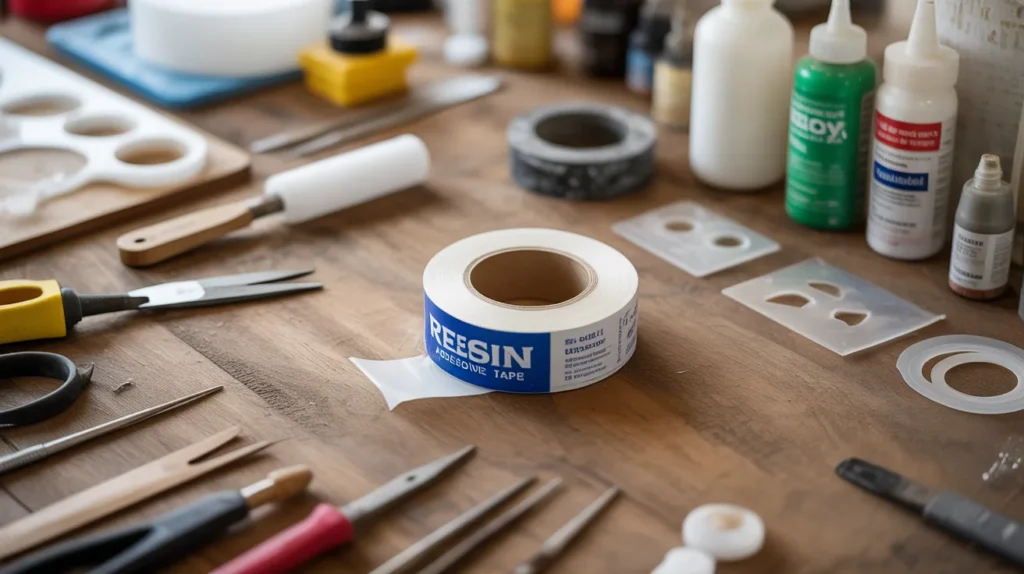
Resin tape is a specialized adhesive tape made with resin-based materials that provide strong, durable bonding. Unlike regular tape, it sticks reliably to surfaces like wood, metal, plastic, and even cured resin, making it ideal for DIY projects, crafts, jewelry making, and industrial applications.
Some types, such as UV resin tape and epoxy resin tape, are designed for curing with light or chemical reactions, ensuring extra strength and precision. Its versatility, durability, and ease of use make resin tape a must-have for both hobbyists and professionals.
In this guide, we’ll cover what resin tape is, its types, uses, and benefits, so you can choose the right one for your next project.
2. The History and Evolution of Resin Tape
Adhesive tapes have been around for over a century, initially developed to provide simple, temporary bonding solutions. Early versions were made from natural rubber and fabric, which offered limited strength and durability. As industries and crafts grew more sophisticated, the demand for stronger, more reliable adhesives led to significant innovation.
In the mid-20th century, synthetic resins were introduced, revolutionizing the adhesive industry. These new materials allowed tapes to bond to a wider range of surfaces and endure higher temperatures, moisture, and stress. Over time, specialized tapes were developed for both industrial and creative applications, including crafting, electronics, and precision assembly.
Technological advancements also brought curing methods such as UV and heat activation, enabling adhesives to set faster and create stronger bonds. Modern variations now combine durability, flexibility, and ease of use, making them essential tools in both professional and hobbyist settings.
From simple rubber-based strips to today’s advanced resin-based solutions, the evolution reflects the growing need for high-performance adhesives that are reliable, versatile, and easy to work with.
3. Different Types of Resin Tape
There are several variations of this specialized adhesive, each designed for specific tasks and surfaces. Understanding the differences can help you select the best option for your project.
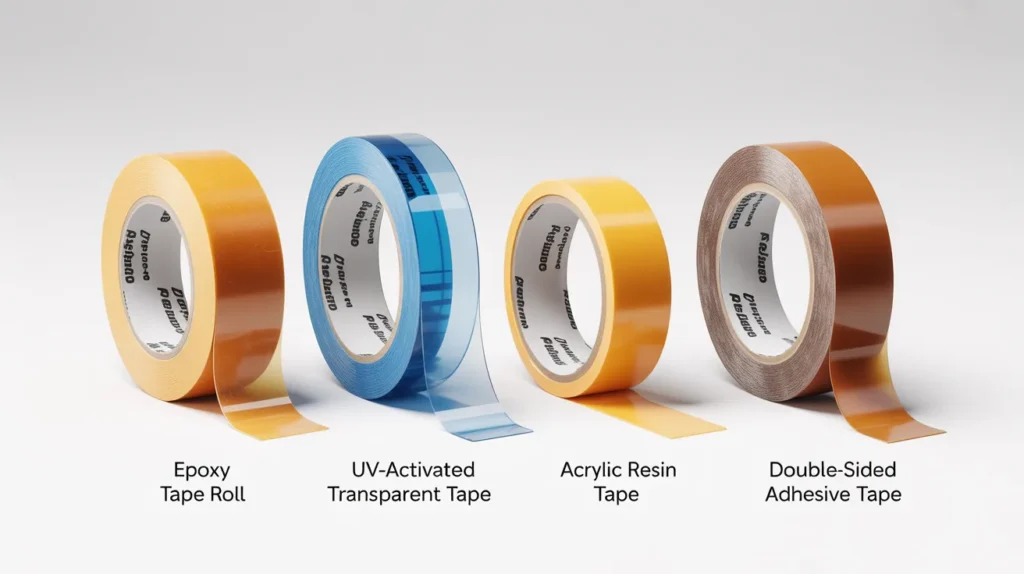
- Epoxy-Based Tape
Epoxy-based adhesives offer strong, long-lasting bonds and are often used in industrial applications. They work well on metal, plastic, and wood, providing durability and heat resistance. This type is ideal for tasks that require a permanent, heavy-duty hold. - UV-Activated Tape
This variety cures when exposed to ultraviolet light, creating a precise and secure bond. It is commonly used in crafting, jewelry making, and resin art projects where accuracy and quick setting are important. - Acrylic Resin Tape
Acrylic tapes are flexible and provide excellent adhesion on smooth or slightly textured surfaces. They are moisture-resistant and often used in electronics, automotive, and home repair applications. - Single-Sided vs. Double-Sided Tape
- Single-sided: Adhesive on one side, perfect for temporary or masking applications.
- Double-sided: Adhesive on both sides, ideal for mounting, layering, or bonding two surfaces together seamlessly.
- Specialty Crafting Tape
Some tapes are specifically designed for DIY and art projects. They are easy to cut, reposition, and work well with resin pours, molds, or decorative finishes.
By understanding these types, you can choose the tape that offers the right balance of strength, flexibility, and ease of use for your specific project needs.
4. How Resin Tape Works
The strength of this type of adhesive comes from its unique combination of resin and bonding agents. When applied, the tape creates a thin layer of sticky material that conforms to the surface, filling in tiny gaps and irregularities. This ensures a secure and even bond, unlike standard tapes that may only adhere at points of contact.
Some variations rely on curing processes to achieve their full strength. For example, UV-activated tapes harden when exposed to ultraviolet light, while epoxy-based types may require chemical reactions or heat to set. These processes cause the resin molecules to interlock, creating a durable and long-lasting adhesion that resists moisture, heat, and pressure.
Proper surface preparation is also key. Clean, dry, and smooth surfaces allow the adhesive to bond effectively, while dust, oil, or uneven textures can weaken the connection. Once applied, the tape provides reliable support for both temporary and permanent applications, depending on the type chosen.
In essence, the combination of advanced resin materials, curing mechanisms, and surface contact makes this adhesive solution both versatile and dependable for a wide range of crafting, industrial, and DIY projects.
5. Key Uses and Applications of Resin Tape
This versatile adhesive has a wide range of applications across crafting, DIY, and industrial projects. Its strong bond and durability make it suitable for both delicate tasks and heavy-duty work.
- Crafting and DIY Projects
Artists and hobbyists often use this adhesive for jewelry making, resin art, and decorative projects. It helps secure molds, layers, and embellishments, ensuring precision and clean finishes. UV-activated variations are particularly popular for projects that require quick curing and accuracy. - Industrial Applications
In manufacturing and electronics, it is used for mounting components, insulating surfaces, and sealing parts. Its heat and moisture resistance make it ideal for applications where long-lasting performance is critical. - Home Repairs and Everyday Tasks
For household projects, this tape can be used to bond wood, plastic, metal, or glass. It is useful for temporary fixes, mounting objects, or adding a protective layer during painting and crafting - Art and Jewelry Making
Specialized tapes designed for creative work allow for clean edges, easy layering, and secure adhesion in resin pours or mold work. This makes them a favorite among DIY enthusiasts and professional artists alike. - Protective and Insulation Purposes
Some types provide waterproofing, heat resistance, and insulation for sensitive components in electronics or automotive work, offering both protection and stability.
Overall, its combination of strength, flexibility, and ease of use makes it a reliable tool for a variety of tasks, from precision crafts to industrial applications.
6. Benefits of Using Resin Tape Over Regular Tape
This type of adhesive offers several advantages compared to standard tape, making it a preferred choice for both crafting and industrial work.
Overall, its strength, durability, versatility, and ease of use make it a superior choice for anyone seeking a reliable adhesive solution for crafts, DIY projects, or industrial applications.
- Stronger Adhesion
Unlike ordinary tape, it creates a more durable bond that can hold heavier materials securely. This ensures that projects stay intact even under stress or movement. - Heat and Water Resistance
Many variants are designed to withstand high temperatures and exposure to moisture. This makes them suitable for tasks that involve heat curing, outdoor use, or contact with liquids. - Precision and Clean Application
The adhesive layer conforms to surfaces evenly, allowing for precise placement and neat edges. This is especially valuable in art, jewelry making, and detailed craft projects. - Versatility Across Surfaces
It can bond to a wide range of materials, including wood, metal, plastic, glass, and cured resin. This versatility eliminates the need for multiple types of tape for different applications. - Durability Over Time
Unlike regular tape, which may lose stickiness or peel off over time, this adhesive maintains its hold for long-lasting performance, reducing the need for frequent replacements. - Easy to Use
Despite its strong bonding capabilities, it is simple to apply and, in some cases, can be repositioned before curing. This flexibility makes it ideal for both beginners and professionals.
7. How to Choose the Right Resin Tape for Your Project
Selecting the ideal adhesive tape depends on the type of project, surface, and performance requirements. Making the right choice ensures durability, precision, and ease of use.
- Consider the Surface Material
Different tapes adhere better to certain materials. For example, epoxy-based types work well on metal and plastic, while acrylic variations are ideal for smooth or slightly textured surfaces. Always match the tape to the material for optimal bonding. - Determine the Required Strength
Some projects need a temporary hold, while others demand a permanent, heavy-duty bond. UV-activated or epoxy variants provide stronger adhesion, whereas single-sided tapes may suffice for lightweight or temporary applications. - Check the Curing Method
Certain tapes require exposure to UV light or heat to fully set. Consider the equipment you have and the project conditions to choose a tape that fits your workflow. - Thickness and Flexibility
Thicker tapes can provide extra durability, while thinner options are better for detailed craft projects or layering. Flexible tapes are useful when working on curved or uneven surfaces. - Moisture and Heat Resistance
If the project will be exposed to water, heat, or outdoor conditions, select a tape designed to withstand these factors. This ensures long-lasting performance without peeling or weakening. - Ease of Use
Some adhesives are repositionable before curing, making them ideal for beginners or precise applications. Consider how easy it is to apply and remove without damaging surfaces.
By evaluating these factors surface type, adhesion strength, curing method, thickness, and environmental resistance you can confidently select the tape that will deliver the best results for your project, whether it’s crafting, DIY, or industrial work.
8. Tips for Proper Use and Maintenance
Using this type of adhesive effectively ensures maximum performance and longevity. Here are practical tips to get the best results:
- Prepare Surfaces Properly
Clean, dry, and smooth surfaces provide the strongest bond. Remove dust, oil, or debris before application to prevent weak adhesion or uneven sticking. - Apply Evenly
Press the tape firmly and evenly onto the surface. Avoid stretching it too much, as this can reduce its effectiveness and cause curling or lifting over time. - Mind the Curing Process
For tapes that require UV light or heat to set, ensure the correct exposure time and intensity. Follow manufacturer instructions carefully to achieve optimal adhesion. - Store Correctly
Keep rolls in a cool, dry place away from direct sunlight or heat sources. Proper storage prevents the adhesive from drying out, losing stickiness, or degrading prematurely. - Handle with Care
Avoid touching the adhesive side excessively, as oils from your fingers can reduce its bonding power. Use tools or gloves when necessary for precision applications. - Reposition When Possible
Some types allow slight repositioning before fully curing. Take advantage of this to correct alignment or remove air bubbles without compromising adhesion.
By following these simple practices, you can ensure consistent performance, long-lasting results, and professional-quality finishes for your projects, whether for crafts, DIY tasks, or industrial applications.
9. Common Mistakes to Avoid When Using Resin Tape
Even high-quality adhesive solutions can fail if not used correctly. Being aware of common pitfalls helps ensure strong, lasting results.
- Skipping Surface Preparation
Applying tape to dirty, oily, or wet surfaces reduces adhesion and can cause peeling. Always clean and dry surfaces thoroughly before use. - Using the Wrong Type
Selecting a tape that isn’t suitable for the material or purpose can result in weak bonding or project failure. Match the tape’s properties to your surface and application needs. - Overstretching During Application
Pulling the tape too tightly can cause it to lift, curl, or lose adhesive strength. Apply it smoothly without excessive tension for optimal performance. - Ignoring Curing Requirements
Some variants need UV light, heat, or chemical reactions to fully set. Failing to follow curing instructions can prevent the adhesive from reaching maximum strength. - Exposing Tape to Extreme Conditions Too Early
Applying stress, moisture, or heat before the adhesive has fully set can weaken the bond. Allow sufficient curing time before handling or putting the surface under pressure. - Touching the Adhesive Surface Excessively
Oils or dirt from hands can reduce stickiness. Use gloves or tools when positioning the tape for precise or delicate work.
By avoiding these mistakes, you can ensure reliable, durable, and professional-quality results across crafting, DIY, and industrial projects. Proper technique is just as important as the tape itself for long-lasting adhesion.
10.FAQs
1. What materials can epoxy or resin-based tape stick to?
These adhesives bond well to a variety of surfaces, including wood, metal, plastic, glass, and cured resin. Selecting the right type ensures maximum adhesion for both crafting and industrial applications.
2. Can UV-activated adhesive tape be repositioned before curing?
Yes, many UV-activated tapes allow slight repositioning before fully setting. This helps achieve precise alignment in resin art, jewelry making, or other detailed projects.
3. How long does it take for these adhesives to cure completely?
Curing time depends on the type of tape and method used. UV-activated varieties can set within minutes under proper light, while epoxy-based tapes may require hours or heat activation for maximum strength.
4. Are resin or epoxy tapes waterproof?
Many modern variants are designed to be water-resistant and heat-resistant, making them suitable for outdoor projects, electronics, or areas prone to moisture. Always check the product specifications for confirmation.
5. Can crafting tape be used for industrial applications?
While some crafting tapes are strong and precise, industrial tasks usually require heavy-duty epoxy or acrylic adhesives for long-term durability. Choosing the right tape for the application ensures reliable results.
6. How should I store adhesive tape to maintain its quality?
Keep rolls in a cool, dry place away from direct sunlight or heat. Proper storage prevents loss of stickiness and ensures consistent performance over time.
7. What are common mistakes to avoid when using these tapes?
Avoid applying tape on dirty or wet surfaces, overstretching it, ignoring curing requirements, or handling the adhesive excessively. Proper technique ensures long-lasting adhesion and professional results.
11. Conclusion:
So, what is resin tape and is it worth adding to your toolkit? The answer is a resounding yes. Its combination of strong adhesion, versatility, and durability makes it suitable for a wide range of applications—from crafting and jewelry making to industrial and DIY projects.
Unlike regular tape, it can bond effectively to multiple surfaces, resist heat and moisture, and provide clean, precise results. Whether you need a tape for UV resin projects, epoxy applications, or everyday repairs, this adhesive offers reliability and professional-quality performance.
By understanding the types, proper usage, and common mistakes, you can maximize its benefits and ensure long-lasting results. For anyone seeking a high-performance, versatile, and easy-to-use adhesive, resin tape is a practical and valuable choice.
In short, for both hobbyists and professionals, resin tape is more than just a tape—it’s a dependable tool that can elevate the quality and durability of your projects.