
Introduction
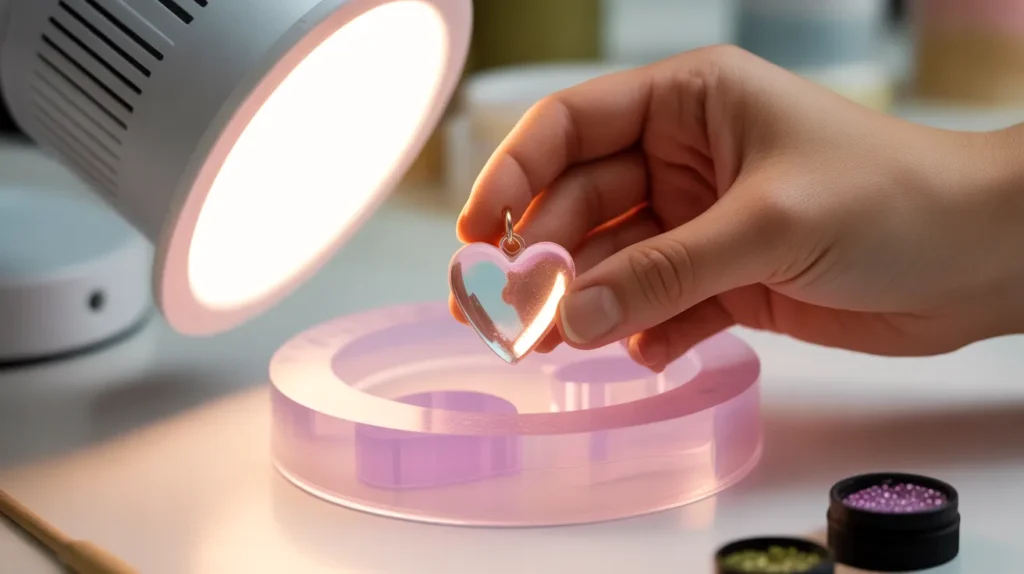
Understanding what hard UV resin is used for is important for anyone interested in modern DIY crafts and jewelry making. This special crafting material is popular because it cures quickly under UV light and creates a clear, strong, and glossy finish.
Many crafters use it to make small decorative items like jewelry, charms, and keychains, while others apply it as a protective coating for handmade projects. Its beginner-friendly nature and professional-looking results make it a top choice for creative hobbyists.
In this guide, you will learn what is hard UV resin used for, how it works, and why it is widely used in crafting. Whether you are a beginner or an experienced artist, this information will help you understand its practical applications and benefits.
2️⃣ What Is Hard UV Resin?
Hard UV resin is a liquid crafting material that becomes solid when exposed to ultraviolet (UV) light. It is widely used in small craft projects because it cures quickly and creates a clear, glossy, and durable surface. Once the resin is placed under a UV lamp or strong sunlight, it usually hardens within a few minutes.
This type of resin is popular in DIY crafts and jewelry making because it is very easy to use. Unlike traditional epoxy resin, it does not require mixing two different parts together. The resin can be poured directly into silicone molds or applied as a thin layer on a craft surface before curing. After the curing process, the material becomes rigid and strong, which makes it suitable for projects that need a solid and long-lasting finish. It is commonly used for creating small decorative items such as charms, pendants, keychains, and miniature art pieces.
Because of its fast curing time, crystal-clear appearance, and beginner-friendly process, this resin has become a popular choice among craft artists, hobbyists, and jewelry makers who work on detailed and small-scale projects.
3️⃣ What Is Hard UV Resin Used For?
This material is widely used in crafting and DIY art projects because it cures quickly and creates a strong, glossy surface. Crafters and hobbyists use it for many small creative projects where a clear and durable finish is needed.
Jewelry Making
One of the most common uses is handmade jewelry. Artists use it to create items like earrings, pendants, rings, bracelets, and charms. It gives jewelry a smooth, glass-like finish that protects the design and makes the colors look brighter.
Resin Craft Projects
It is also popular in many DIY resin crafts. People use it to make keychains, phone charms, decorative magnets, and small accessories. Because it cures quickly under UV light, it is perfect for small and detailed craft designs.
Mold Casting
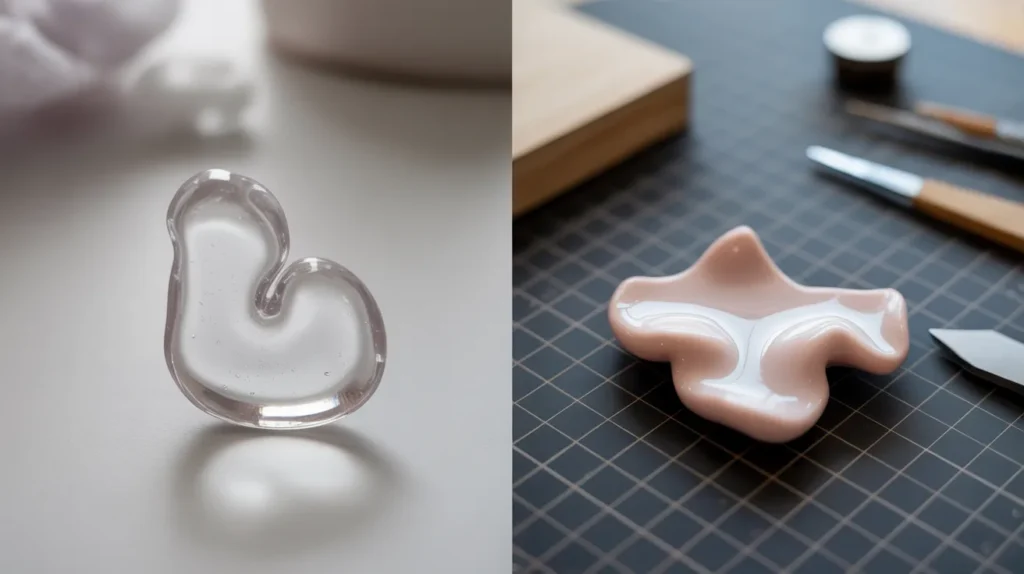
Many creators use silicone molds to make different shapes and designs. By pouring the liquid into molds, they can create letters, flowers, miniature figures, and decorative shapes. These molds help produce consistent and detailed craft pieces.
Protective Coating
Another common use is as a clear protective coating. Artists apply a thin layer on items like polymer clay, painted artwork, and handmade decorations. After curing, it forms a shiny and scratch-resistant surface that protects the craft from damage. Because it is easy to use, cures quickly, and creates a strong glossy finish, this material has become a favorite choice for jewelry makers, DIY crafters, and resin artists who want professional-looking results.
4️⃣ Key Features of Hard UV Resin
This type of crafting material offers several qualities that make it ideal for small DIY projects and jewelry making. Here are the main features:
Fast Curing
It hardens within minutes under a UV lamp or sunlight, allowing crafters to complete projects quickly without long waiting times.
High Hardness
Once cured, it forms a rigid and durable surface that is resistant to scratches and everyday wear. This makes it suitable for jewelry, charms, and decorative items.
Crystal-Clear Finish
It provides a transparent, glossy finish, which enhances the look of embedded items like glitter, pigments, or small decorations.
Beginner-Friendly
Unlike traditional two-part resins, it does not require mixing, reducing the chances of mistakes. This makes it easy for beginners to use successfully.
Versatile Application
It works well for mold casting, coating surfaces, and creating small detailed designs, offering flexibility for various craft projects.
These features combined make it a popular choice among hobbyists, jewelry makers, and DIY enthusiasts, helping them achieve professional-looking results with minimal effort.
5️⃣ Rigid UV Resin vs Flexible UV Resin
There are two main types of UV-curing resins: rigid and flexible. Each type serves different crafting purposes.
Rigid UV Resin
This version becomes strong and solid after curing. It is ideal for projects that need a hard, glass-like finish, such as jewelry and decorative crafts. Once cured, it does not bend easily and maintains its shape.
Flexible UV Resin
Flexible resin remains slightly bendable after curing. It is useful for items that require movement or softness, such as phone cases or bendable decorations. It does not become as hard as rigid resin but offers more flexibility.
Main Difference
- Rigid resin → Hard and strong
- Flexible resin → Soft and bendable
- Rigid is best for jewelry and decorative pieces
- Flexible works well for items that need movement
Choosing between the two depends on the project. If you need a solid and durable finish, rigid resin is better. If flexibility is required, the flexible version is a suitable option.
6️⃣ Tools Needed for UV Resin Crafting
To work with this crafting material, you need a few basic tools. These items help you apply and cure the material properly for a smooth and professional finish.
UV Light Source
A UV lamp is essential because the material hardens when exposed to ultraviolet light. Craft lamps come in different sizes, and most curing takes only a few minutes.
Silicone Molds
Silicone molds are used to create shapes like charms, pendants, and decorative pieces. They are flexible, making it easy to remove cured items without damage.
Mixing Tools
Small sticks or spatulas help in spreading the liquid evenly and removing air bubbles. This results in a clearer and more professional-looking finish.
Pigments and Additives
Color pigments, glitter, or mica powder can be mixed to create custom designs. These additives allow crafters to personalize their projects.
Protective Gloves
Wearing gloves helps protect the skin from direct contact with the liquid material. Safety is important when handling crafting resins.
Cleaning Materials
Paper towels and isopropyl alcohol help clean tools and surfaces. Keeping equipment clean improves results and prevents unwanted residue.
Using these basic tools ensures a smoother crafting experience and better final results for DIY projects and jewelry making.
7️⃣ Tips for Using This Crafting Material (Beginner Guide)
Working with this liquid crafting material can be easy if you follow a few helpful tips. These suggestions will help you achieve a smooth and professional finish.
Use Thin Layers
Apply the material in small, thin layers instead of one thick layer. Thin layers cure better and reduce the chances of bubbles or uneven hardening.
Remove Air Bubbles
Before curing, gently tap the mold or use a toothpick to remove bubbles. This helps create a clear and smooth surface.
Cure Under Proper Light
Use a strong UV lamp and follow the recommended curing time. Insufficient light exposure can leave the material soft or sticky.
Keep the Surface Clean
Dust and small particles can ruin the final appearance. Work in a clean area and cover your project while it cures.
Wear Protective Gear
Gloves and safety precautions help prevent direct contact with the liquid material. This ensures a safer crafting experience.
Start with Small Projects
If you are a beginner, practice with small items before attempting complex designs. This helps build confidence and improves results. Following these simple tips will make crafting easier and help you create high-quality DIY projects with better finishes.
8️⃣ Common Mistakes to Avoid
Avoiding these mistakes will help you achieve better results and reduce problems while crafting.
Applying Thick Layers
Pouring a thick layer at once can cause uneven curing and trapped bubbles. Always use thin layers for a smoother finish.
Not Curing Long Enough
Insufficient curing time may leave the material soft or sticky. Follow the recommended curing time under a strong UV light.
Ignoring Air Bubbles
Bubbles can ruin the clarity of your project. Gently remove them before curing by tapping the mold or using a toothpick.
Working in a Dusty Area
Dust particles can stick to the surface and create imperfections. Work in a clean environment and cover your project while it cures.
Skipping Protective Gear
Direct contact with liquid materials may irritate the skin. Wearing gloves provides extra safety during crafting.
Using Too Much Pigment
Excess color pigments can prevent proper curing and reduce transparency. Add small amounts and mix carefully. By avoiding these common mistakes, you can create cleaner, stronger, and more professional-looking craft projects.
9️⃣ Is It Safe to Use?
This crafting material is generally safe when used properly. However, it is a chemical product, so basic precautions help reduce risks.
Skin Contact
Before curing, the liquid can irritate skin. Wearing gloves prevents direct contact and keeps your hands safe.
Fumes and Ventilation
In normal use, fumes are minimal, but working in a well-ventilated area is recommended. Good airflow improves comfort while crafting.
Safety After Curing
Once fully hardened, the material becomes stable and safe to handle. The cured surface does not release harmful substances.
Eye Protection
Avoid splashes and direct contact with eyes. If working on detailed projects, protective eyewear adds extra safety.
General Precautions
- Wash hands after crafting
- Avoid ingesting the material
- Keep it away from children and pets
🔟 FAQs
Is hard UV resin good for jewelry?
Yes, it creates a clear, durable finish that is perfect for jewelry making.
Can hard UV resin be used in molds?
Yes, it works best with silicone molds for small crafts.
How long does hard UV resin take to cure?
Usually 1–3 minutes under UV light depending on lamp power.
Does hard UV resin turn yellow?
Some resins may yellow over time, but high-quality resins include anti-yellowing formulas.
1️⃣1️⃣ Final Thoughts
Understanding what is hard UV resin used for helps crafters choose the right material for jewelry, small DIY projects, and protective coatings. It is widely used because it cures quickly under UV light and creates a clear, strong, and glossy finish.
This material works well for making earrings, pendants, keychains, charms, and decorative crafts, as well as coating items for extra durability. Its beginner-friendly nature and fast curing time make it a popular choice for hobbyists and professionals alike.
By following basic crafting tips and safety precautions, you can create high-quality resin projects with excellent results. Whether you are a beginner or an experienced artist, this versatile material offers many creative possibilities for modern DIY crafts.