1. Introduction
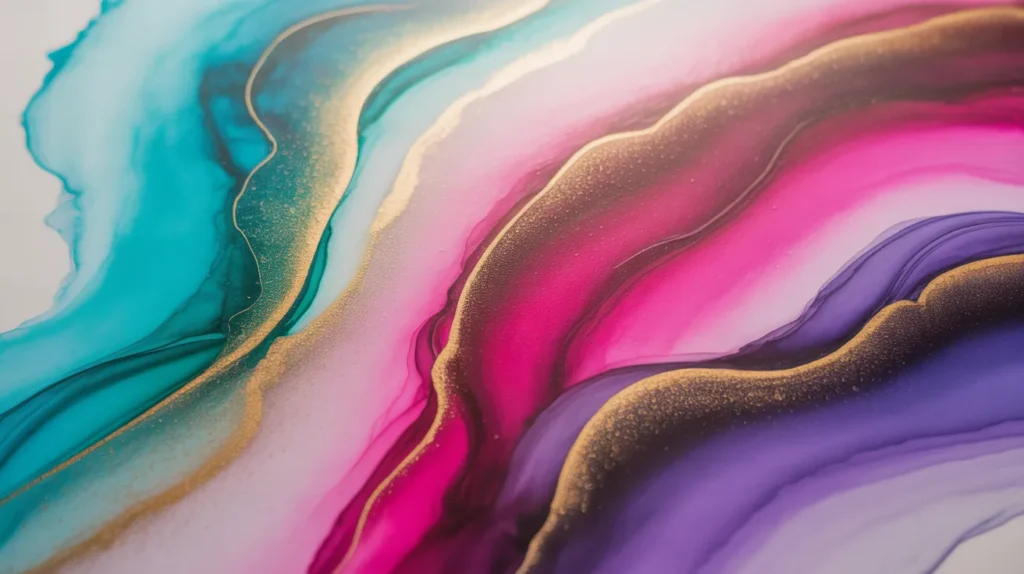
If you are new to fluid art or modern craft techniques, you may be wondering what is alcohol ink and why so many artists are using it. Alcohol ink is a fast-drying, highly pigmented dye that is mixed with alcohol to create vibrant, flowing color effects. Unlike traditional water-based paints, it spreads smoothly on non-porous surfaces and creates unique, abstract patterns.
This versatile art medium has become popular in recent years because of its bold colors, easy blending, and quick drying time. Artists use alcohol-based ink for abstract paintings, resin art, handmade jewelry, tumblers, and home décor projects. Its transparent nature allows layers of color to build depth without becoming muddy.
Understanding what is alcohol ink is the first step to using it correctly. Once you learn how it moves, blends, and reacts on different surfaces, you can create stunning effects with very little effort. In this guide, you’ll learn how alcohol ink works, where to use it, and why it has become a favorite medium for both beginners and professional artists.
Table of Contents
2. What Is Alcohol Ink? (Detailed Explanation)
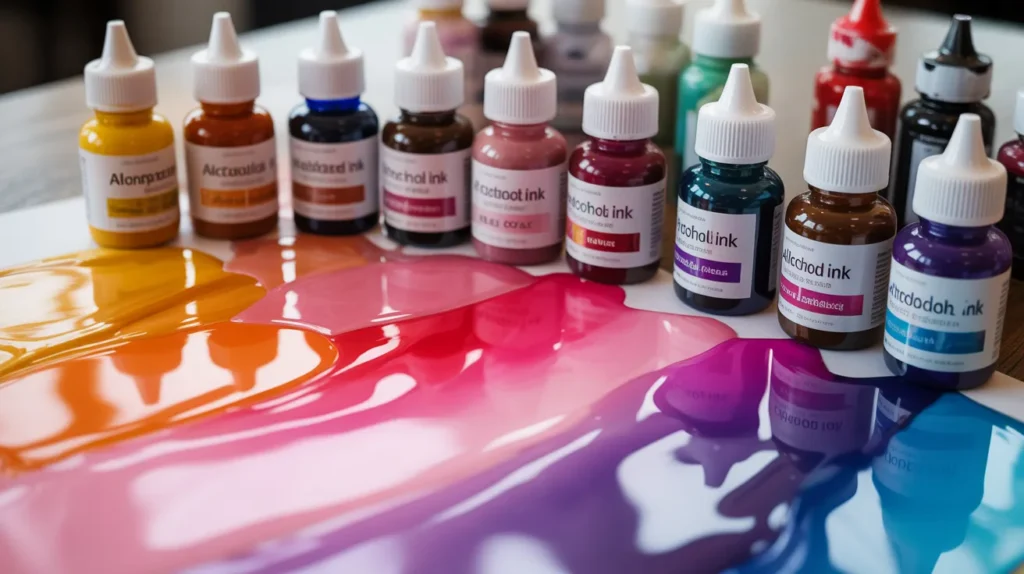
Alcohol ink is a dye-based coloring solution made by combining highly concentrated pigments with isopropyl alcohol or a similar solvent. Unlike water-based inks or acrylic paints, this medium relies on alcohol as its carrier. This allows the color to evaporate quickly, leaving behind smooth, vibrant layers.
Because it is dye-based rather than pigment-heavy, the color appears transparent and luminous. Light can pass through the layers, which creates depth and rich blending effects. This transparency is one of the main reasons artists use it for abstract art, resin pieces, and decorative surfaces.
The fast evaporation process is what gives this medium its unique behavior. As the alcohol dries, the color spreads and moves naturally across sealed or non-porous surfaces such as synthetic paper, glass, ceramic tile, and metal. The movement can be controlled with air tools, brushes, or additional blending solution.
Another important characteristic is its ability to reactivate. Even after drying, adding more alcohol can soften and move the color again. This makes layering and corrections easier compared to many traditional art mediums. In simple terms, it is a solvent-based, fast-drying dye that creates flowing, vibrant effects on smooth surfaces. Its unique composition is what makes it different from acrylic paint, watercolor, or other common art supplies.
3. How Does Alcohol Ink Work?
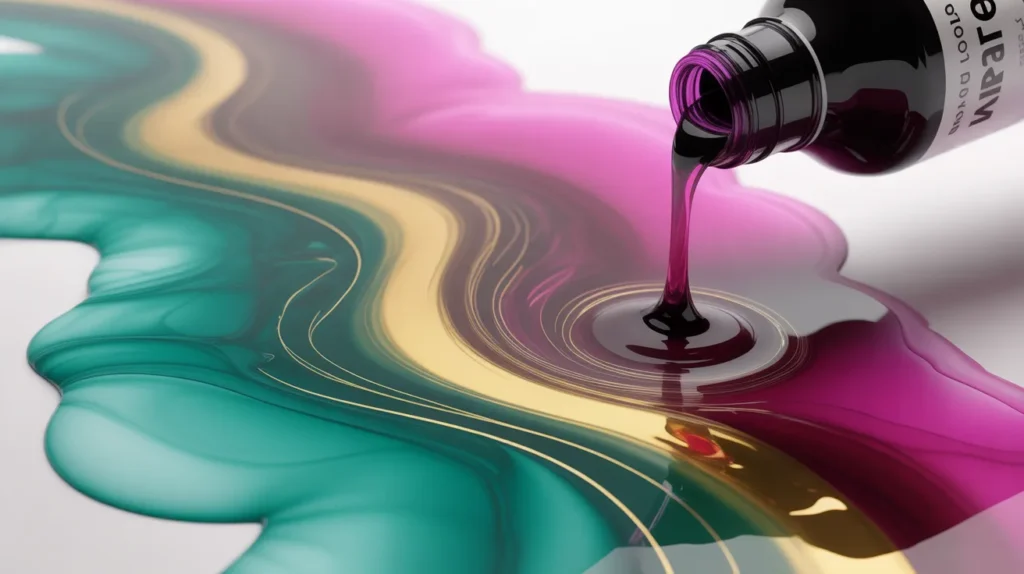
This dye-based medium works through evaporation and movement. When applied to a non-porous surface, the alcohol carrier begins to evaporate almost immediately. As it dries, the color spreads outward, creating soft edges, natural gradients, and organic patterns.
Because the formula is alcohol-based, it does not soak into the surface like water-based paint. Instead, it sits on top of sealed materials such as synthetic paper, glass, ceramic, or metal. This allows the color to flow freely and form smooth, glossy effects.
One of its most unique features is how easily it moves. Artists can guide the color using air tools, brushes, felt applicators, or even a simple straw. Adding more blending solution or rubbing alcohol pushes the dye outward, lightens areas, or creates layered textures. This movement gives each artwork a one-of-a-kind look.
Another important characteristic is reactivation. Even after drying, applying more alcohol can soften and shift the existing layers. This makes it easy to blend shades, correct mistakes, or add depth without harsh lines.
In short, it works by combining fast evaporation, surface tension, and fluid movement. The result is vibrant, flowing designs that are difficult to achieve with traditional paints.
4. Types of Alcohol Ink
There are several types of this dye-based medium available, and each one creates a slightly different effect. Understanding the differences helps artists choose the right option for their project.
1. Transparent Inks
Transparent versions are the most common. They allow light to pass through the color, creating bright, layered effects. These are ideal for abstract art, resin pieces, and backgrounds where blending and depth are important.
2. Opaque Inks
Opaque varieties contain added pigment, which gives them stronger coverage. They appear more solid and less see-through compared to transparent options. These are useful when you want bold highlights or more defined shapes in your artwork.
3. Metallic and Pearl Inks
Metallic and pearl formulas contain shimmering particles. When dry, they produce a reflective, glossy finish that stands out on dark or light surfaces. These are popular for decorative art, tumblers, and mixed media projects.
4. Mixatives
Mixatives are highly concentrated color additives. They are often metallic or special-effect formulas designed to enhance other inks. A small amount can dramatically change the appearance of a design.
5. Blending Solution
Although not a color itself, blending solution is an essential companion product. It helps lighten shades, create soft gradients, and move the dye across the surface without adding more pigment.
Each type offers a different finish and effect. Choosing the right one depends on whether you want transparent layers, bold coverage, or shimmering highlights.
5. What Surfaces Can You Use Alcohol Ink On?
This fast-drying dye works best on non-porous or sealed surfaces. Because it sits on top rather than soaking in, smooth materials allow the color to spread, blend, and create flowing effects.
1. Yupo Paper
Yupo is a synthetic, plastic-based paper designed specifically for fluid art. It does not absorb liquid, making it one of the most popular choices. The smooth surface allows colors to move freely and blend beautifully.
2. Glass
Glass is an excellent option for creating decorative pieces such as ornaments, vases, and panels. The glossy finish helps the dye spread evenly and produce vibrant results.
3. Ceramic Tiles
Glazed ceramic tiles provide a slick surface that supports smooth color movement. Many artists use them for coasters, wall art, or practice pieces.
4. Metal
Sealed metal surfaces work well for abstract designs and mixed media art. The smooth texture allows for easy blending and unique textures.
5. Resin
Cured resin is another suitable surface. The glossy, sealed finish enhances transparency and depth, making it ideal for jewelry and decorative projects.
Important Note About Porous Surfaces
Materials like regular paper, raw wood, or untreated canvas absorb liquid quickly. This prevents proper blending and reduces the flowing effect. If you want to use these surfaces, they must be sealed first with an appropriate primer.
In general, the smoother and less absorbent the surface, the better the results.
6. Alcohol Ink vs Acrylic Paint
Although both are popular art mediums, they behave very differently and are used for different purposes.
Composition
This dye-based medium is mixed with alcohol, which allows it to evaporate quickly and create flowing effects. Acrylic paint, on the other hand, is water-based and made with pigment suspended in an acrylic polymer emulsion. Once dry, acrylic forms a solid plastic-like layer.
Drying Time
Solvent-based dye dries very fast because the alcohol evaporates quickly. Acrylic paint also dries relatively fast, but it takes longer to fully cure and harden, especially in thicker layers.
Transparency and Finish
The dye formula is naturally transparent, allowing light to pass through layers and create depth. Acrylic paint is usually opaque, providing strong coverage and solid color. While acrylic can be thinned for transparency, it does not produce the same fluid, luminous effect.
Surface Compatibility
The dye works best on non-porous or sealed surfaces like synthetic paper, glass, or metal. Acrylic paint is more versatile and can be used on canvas, wood, fabric, and many other porous materials.
Best Use Cases
If you want smooth blending, abstract designs, and vibrant flowing patterns, the solvent-based option is ideal. For detailed painting, textured artwork, or traditional canvas projects, acrylic is often the better choice.
In short, both mediums are useful, but they serve different artistic goals. Choosing between them depends on the style and surface you plan to work with.
7. Common Uses of Alcohol Ink
This vibrant, fast-drying medium is widely used in art and DIY crafts because of its bold colors and fluid movement. Its ability to create smooth blends and abstract effects makes it suitable for many creative projects.
1. Abstract Art
One of the most popular uses is abstract painting. Artists create flowing patterns, soft gradients, and layered textures on synthetic paper, glass, or metal. The natural movement of the dye produces unique designs that cannot be easily replicated.
2. Resin Art
It is often added to resin to create colorful swirls, petri-style effects, and decorative accents. The transparency of the dye allows depth and dimension inside resin pieces such as coasters, trays, and tabletops.
3. Handmade Jewelry
Crafters use this medium to design pendants, earrings, and charms. When sealed properly, the vibrant colors remain bright and eye-catching.
4. Home Décor Projects
Decorative tiles, wall art panels, ornaments, and glass pieces are common applications. The glossy finish enhances modern and contemporary designs.
5. Tumblers and Mixed Media
Many artists use it to decorate stainless steel tumblers or combine it with other materials in mixed media art. The flowing effects add texture and visual interest.
Because it works best on smooth, sealed surfaces, it is especially valued for decorative and artistic projects where bold color and organic patterns are desired
8. Tools and Supplies Needed
Getting started with this fluid art medium does not require many materials, but having the right tools makes a big difference in your results.
1. Dye Bottles
Choose high-quality, concentrated colors from a trusted brand. A small amount goes a long way because the formula spreads easily on smooth surfaces.
2. Blending Solution or Isopropyl Alcohol
A blending solution helps lighten shades, create soft transitions, and move color across the surface. Many artists also use high-percentage isopropyl alcohol (91% or higher) for similar effects.
3. Non-Porous Surface
You will need a smooth, sealed surface such as synthetic paper (like Yupo), glass, ceramic tile, metal, or cured resin. These surfaces allow proper flow and blending.
4. Applicators and Tools
Common tools include felt applicators, small brushes, droppers, and air blowers. Some artists use a straw or handheld air tool to guide the movement and create organic patterns.
5. Protective Gear
Because the formula contains solvent, work in a well-ventilated area. Wear gloves to protect your skin and cover your workspace to prevent stains.
6. Sealant
After your artwork is complete and fully dry, apply a suitable sealant to protect the surface and preserve the colors.
With these basic supplies, beginners can start experimenting and gradually explore more advanced techniques.
9. Is Alcohol Ink Safe to Use?
This vibrant medium is generally safe when used correctly, but there are a few precautions to keep in mind due to its alcohol-based composition.
1. Ventilation Is Key
The solvent in the dye evaporates quickly, releasing fumes that can be irritating if inhaled in large amounts. Always work in a well-ventilated space or near an open window. Using a small fan to circulate air can also help reduce exposure.
2. Skin Protection
Direct contact with the solution may cause mild irritation for some people. Wearing disposable gloves prevents staining and protects sensitive skin.
3. Flammability
The alcohol component is highly flammable. Keep it away from open flames, heat sources, or sparks. Store bottles in a cool, dry area when not in use.
4. Surface Safety
Because the medium spreads easily, it can stain unprotected surfaces. Use a craft mat, newspaper, or disposable covering to protect your workspace.
5. Storage and Disposal
Seal bottles tightly after each use to prevent spills and evaporation. Dispose of wipes or paper towels used for cleanup safely, as they may be flammable when soaked with alcohol.
By following these precautions, you can safely enjoy creating colorful, fluid designs without health risks or accidents. Safety measures are simple but essential, especially for beginners and home crafters.
10. Beginner Tips for Using Alcohol Ink
Starting with this vibrant medium can be exciting, but understanding a few basic techniques will help beginners achieve better results and avoid common mistakes.
1. Start Small
Begin with small projects like tiles, coasters, or practice sheets of synthetic paper. Smaller surfaces are easier to control and allow you to experiment without feeling overwhelmed.
2. Work in Layers
Apply colors gradually instead of pouring too much at once. Layering helps create depth and prevents muddy colors, giving your design a professional, vibrant look.
3. Use Blending Solution Wisely
Blending solution or rubbing alcohol can lighten shades and move colors across the surface. Apply it sparingly at first; too much can dilute the colors or create unintended effects.
4. Control the Flow
Guide the movement of the ink using air tools, brushes, or a straw. Tilting the surface gently can also help the colors flow in the direction you want.
5. Protect Your Workspace
Cover your table with a craft mat or disposable paper. The solution spreads easily and can stain unprotected surfaces.
6. Experiment and Have Fun
One of the best things about this medium is its unpredictability. Allow yourself to try different color combinations, techniques, and tools. Each piece will be unique, so embrace happy accidents as part of the creative process.
Following these simple tips will help beginners gain confidence, produce vibrant designs, and enjoy the artistic process from the very first project.
11. Pros and Cons of Alcohol Ink
Like any art medium, this dye-based solution has both advantages and limitations. Understanding them can help artists choose the right projects and techniques.
Pros
- Vibrant Colors
The highly concentrated pigments produce bright, bold, and eye-catching hues that stand out on non-porous surfaces. - Fast Drying
It dries quickly, allowing for rapid layering and quicker project completion. - Smooth Blending
The fluid nature makes it easy to create gradients, abstract patterns, and flowing effects that are difficult to achieve with other mediums. - Versatile Applications
It can be used on a variety of surfaces, including synthetic paper, glass, metal, ceramic, and resin, making it ideal for both art and crafts. - Reactivation Possibility
Even after drying, adding a small amount of alcohol or blending solution allows colors to be adjusted or blended further.
Cons
- Strong Smell
The alcohol base produces fumes that may be unpleasant or irritating without proper ventilation. - Surface Limitations
It only works well on non-porous or sealed surfaces; porous materials absorb the color and prevent the flowing effects. - Messy to Work With
The fluid nature makes it easy to spill or unintentionally stain surfaces, clothing, and hands. - Flammability
Because of the alcohol content, it is highly flammable and requires careful handling and storage.
By weighing these pros and cons, artists can decide how and where to use this medium effectively, ensuring safe and beautiful results.
12. FAQs
1. Is it permanent?
Yes, once fully dry, the color is generally permanent on non-porous surfaces. However, it can fade over time if exposed to direct sunlight for extended periods. Sealing the artwork can help preserve its vibrancy.
2. Can it be used on canvas?
It can be used on canvas, but only if the surface is properly sealed. Raw canvas absorbs the dye too quickly, preventing smooth blending and flowing effects.
3. Does it fade over time?
The colors are long-lasting, but exposure to sunlight or harsh cleaning chemicals can reduce their intensity. Using UV-resistant sealants or displaying artwork indoors helps maintain brightness.
4. Can it be mixed with resin?
Yes, it blends well with resin, allowing for vibrant swirls and layered effects in jewelry, coasters, trays, and other decorative pieces. Make sure the resin is fully cured to lock in the color.
5. How should I clean up after use?
Use paper towels or wipes with isopropyl alcohol to clean brushes, tools, and work surfaces. Be careful, as spills can stain clothing or unprotected surfaces.
6. Can beginners achieve professional-looking results?
Absolutely. With practice, layering techniques, and basic tools like blending solution and air applicators, even beginners can create vibrant, polished artwork.
13. Conclusion
Understanding what is alcohol ink is the first step toward exploring its vibrant, flowing possibilities in art and crafts. This dye-based medium stands out for its bold colors, fast-drying nature, and ability to create unique abstract patterns on non-porous surfaces. From synthetic paper and glass to resin and ceramic tiles, it offers versatility that appeals to both beginners and experienced artists.
While it has some limitations, such as strong fumes and surface restrictions, the creative potential far outweighs the drawbacks. By learning basic techniques, using the right tools, and following safety precautions, anyone can produce stunning, professional-looking results.
Whether you are experimenting with abstract designs, resin projects, or decorative crafts, this medium provides a fun and rewarding way to bring vibrant colors to life. Exploring what is alcohol ink can open the door to endless creative possibilities.