
1. Introduction:
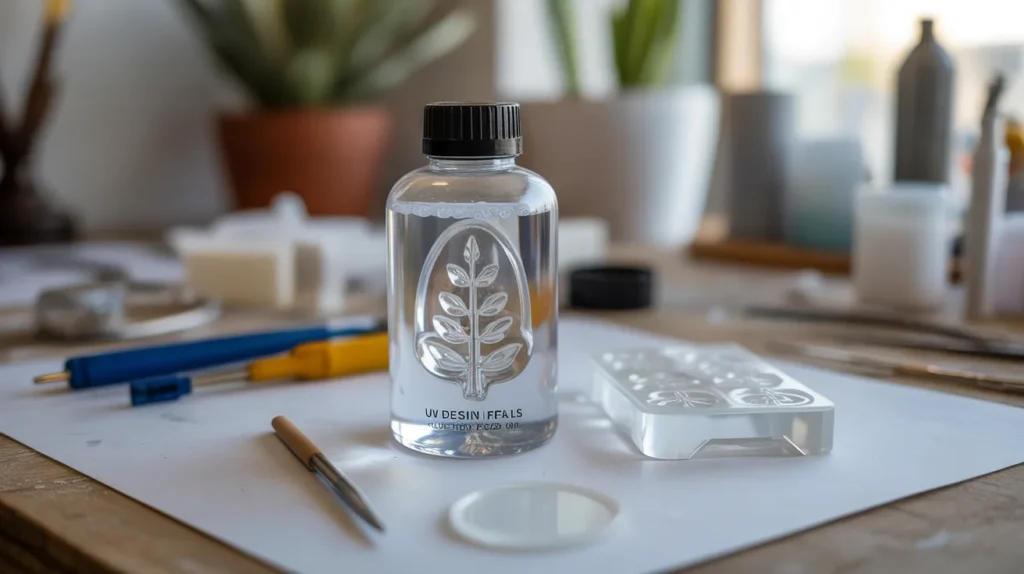
Does UV resin expire? This is a common question among jewelry makers, DIY crafters, and resin artists—especially when a bottle has been sitting on the shelf for months. The short answer is yes, UV resin does expire over time, and using it past its usable life can affect both the quality of your work and your overall crafting experience.
UV resin is designed to cure quickly when exposed to ultraviolet light, but its chemical formula is sensitive to age, light exposure, and storage conditions. As UV resin gets older, it can thicken, turn cloudy or yellow, and may not cure properly under a UV lamp. These issues can lead to sticky surfaces, weak finished pieces, or wasted materials problems no crafter wants to deal with in the middle of a project.
Understanding whether UV resin expires and how expiration impacts performance is important if you want clean, professional-looking results. Whether you create resin jewelry, keychains, or small decorative items, knowing the shelf life of UV resin helps you avoid failed cures, save money, and work more safely. In this guide, we’ll break down how long UV resin lasts, how to tell if it has gone bad, and what you can do to extend its usability.
Table of Contents
2. What Makes UV Resin Different From Other Types of Resin
UV resin stands apart from other resins because of the way it cures and how it is typically used. Unlike epoxy or polyester resin, which require two components to be mixed and time to harden, UV resin is a single-part material that hardens only when exposed to ultraviolet light. This makes it especially popular for small crafts, detailed jewelry work, and quick repairs where speed and precision matter.
Another key difference is curing time. Epoxy resin can take several hours or even days to fully cure, while UV resin hardens within minutes under a UV lamp or direct sunlight. This fast curing process allows crafters to work in thin layers and see immediate results, but it also means the material is more sensitive to light exposure during storage.
UV resin is also thinner in consistency compared to most epoxies. This lower viscosity helps it flow easily into molds and fine details, making it ideal for bezels, coatings, and domed surfaces. However, the thinner formula can be more affected by environmental factors such as heat, light, and air, which is why proper handling and storage are so important.
Finally, UV resin is best suited for small-scale projects. Epoxy resin is often chosen for large pours, tabletops, or deep molds, while UV resin works best for shallow designs that light can easily reach. Understanding these differences helps crafters choose the right material for each project and avoid performance issues during curing and finishing.
3. Does UV Resin Expire? The Honest Answer Most Brands Don’t Explain
Most brands mention a shelf life on the label, but they rarely explain what that actually means in real-world use. In simple terms, UV resin does not suddenly become unusable the day it reaches its printed date. Instead, its quality gradually declines over time, especially if it has been opened or stored incorrectly.
Manufacturers set expiration dates based on ideal performance, not absolute failure. As the resin ages, its chemical balance slowly changes. This can affect how smoothly it flows, how clearly it cures, and how strong the finished piece becomes. In many cases, older resin may still harden under a lamp, but the results are often inconsistent.
Another detail brands don’t always highlight is how sensitive this material is to light exposure. Even small amounts of ambient UV light can begin breaking down the formula inside the bottle. Heat and air exposure also speed up this process, which is why two bottles bought at the same time can age very differently depending on how they are handled.
The key takeaway is that expiration is more about performance and reliability than a strict on–off switch. Fresh resin delivers predictable results, while older resin increases the risk of cloudiness, surface tackiness, or uneven curing. Understanding this helps crafters decide when a bottle is still worth using and when it’s better to replace it for important projects.
4. How Long Does UV Resin Last? (Unopened vs Opened Bottles)
The lifespan of UV resin depends heavily on whether the bottle has been opened and how it has been stored. While manufacturers often provide a general timeframe, real usage conditions can make a noticeable difference.
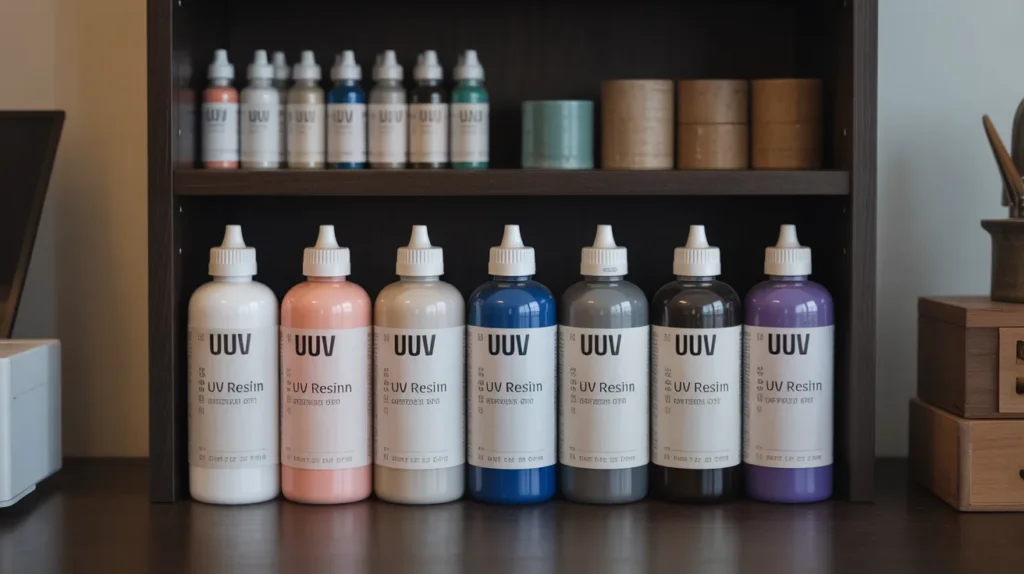
Unopened bottles usually last the longest. When stored in a cool, dark place away from direct sunlight, an unopened container can remain stable for around 12 to 24 months. During this time, the resin typically maintains its clarity, smooth flow, and reliable curing performance because it has not been exposed to air or stray UV light.
Opened bottles have a shorter usable life. Once the seal is broken, air and moisture begin to interact with the resin, slowly altering its chemical structure. In addition, brief exposure to room lighting or sunlight during use can accelerate aging. For this reason, opened UV resin is best used within 6 to 12 months for consistent results.
It’s also important to note that frequent opening and improper storage can shorten these timeframes even further. Leaving the cap off, storing the bottle near windows, or keeping it in warm environments can cause thickening, yellowing, or curing issues much sooner than expected. Checking the resin’s appearance and performance before each project helps ensure it is still in good working condition.
5. Signs Your UV Resin Has Expired or Gone Bad
Knowing how to recognize when UV resin is no longer in good condition can save you from failed projects and wasted time. Instead of relying only on dates printed on the bottle, it’s better to look for clear physical and performance-related warning signs.
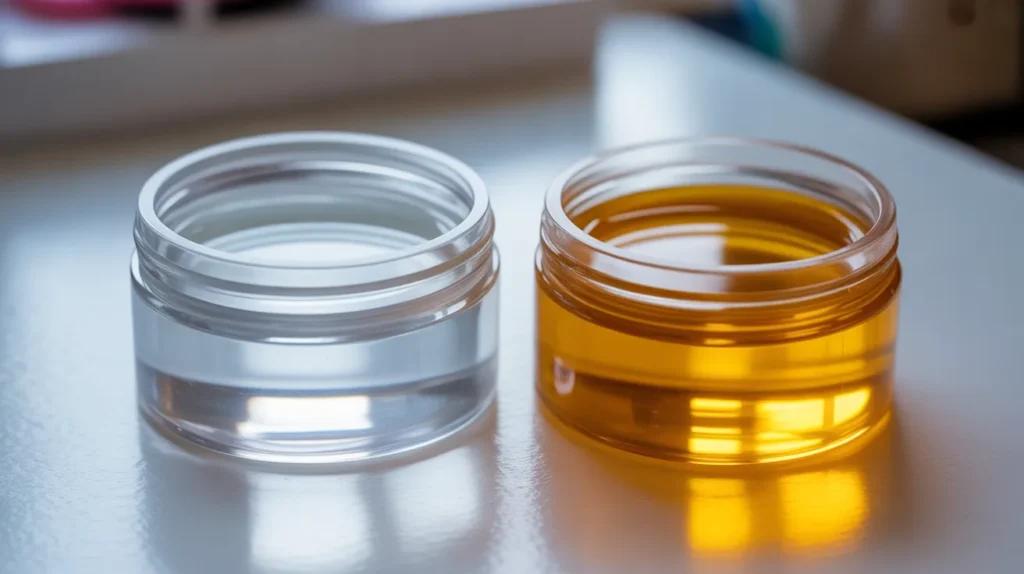
One of the most noticeable changes is cloudiness or discoloration. Fresh resin should look clear and transparent. If it appears hazy, milky, or has developed a yellow tint, its quality has likely declined and it may no longer cure cleanly.
Thickening or texture changes are another common indicator. When the resin becomes unusually thick, stringy, or lumpy, it can be difficult to spread evenly or pour smoothly into molds. This change often leads to trapped bubbles and uneven surfaces in finished pieces.
You may also notice curing problems during use. Resin that stays sticky, soft, or rubbery even after sufficient UV exposure is a strong sign that it is no longer performing properly. Inconsistent hardening across the surface is another red flag.
An unusual or stronger odor can also indicate deterioration. While resin naturally has a chemical smell, a sharp, sour, or noticeably different odor suggests that the formula has begun to break down.
Lastly, check for separation or sediment inside the bottle. If the contents no longer look uniform after gentle mixing, it usually means the resin has passed its optimal working condition and should be replaced, especially for important projects.
6. What Happens If You Use Expired UV Resin?
Using UV resin that is past its prime can lead to several issues that affect both the process and the final result. While it may still appear usable at first glance, problems often show up during curing or after the piece is finished.
One of the most common outcomes is incomplete or uneven curing. The resin may remain sticky on the surface or cure in some areas while staying soft in others, even after extended exposure to a UV lamp. This makes the piece weak and unsuitable for everyday use.
Surface defects are another frequent problem. Older resin can trap bubbles more easily, create ripples, or fail to level properly. The finished surface may look dull instead of glossy, reducing the overall quality of jewelry or decorative items.
There is also a higher risk of discoloration. A yellow or cloudy tone can become more noticeable after curing, especially in clear or light-colored designs. This can ruin pieces where clarity and brightness are important.
In some cases, the resin may still harden but result in a brittle or fragile finish. Pieces can crack, chip, or break more easily over time, even with light handling. For these reasons, using aged resin is best limited to test pieces or practice projects rather than items meant for sale or long-term use.
7. Is It Safe to Use Expired UV Resin?
Safety is an important concern when working with any resin, especially when it is no longer in ideal condition. As UV resin ages, its chemical stability can change, which may increase the chance of unwanted reactions during use.
One potential risk comes from incomplete curing. When resin fails to harden fully, it can leave uncured chemicals on the surface. Direct skin contact with uncured resin may cause irritation, redness, or allergic reactions, particularly for people with sensitive skin. This makes handling and wearing poorly cured pieces unsafe.
Fumes and odors can also become stronger with older resin. While proper ventilation is always recommended, deteriorated resin may release harsher smells during curing, which can be uncomfortable to breathe in enclosed spaces.
There is also a safety concern related to structural weakness. Jewelry or small items made with degraded resin may crack or break unexpectedly, creating sharp edges that could cause minor injuries.
For these reasons, older resin should only be used with caution and protective measures, such as gloves and good airflow. If it shows clear signs of poor curing or strong odor, it’s safer to discard it and use fresh material, especially for items that will be worn or handled frequently.
8. Can Expired UV Resin Still Cure? (Test Before You Use It)
Even when a bottle has aged past its recommended timeframe, the material may still harden under a UV lamp. However, its performance is often less predictable, which can lead to uneven curing, sticky surfaces, or a weaker finished product. The only reliable way to know is to perform a small test before committing to a full project.
To test the resin, pour a small amount into a scrap mold or a disposable surface and expose it to a UV light source for the usual curing time. Observe how it behaves: if it hardens evenly, retains clarity, and forms a firm surface, it may still be usable for non-critical projects. If it remains soft, cloudy, or develops bubbles, it is no longer suitable.
Testing also allows you to assess working time and flow. Older resin may cure faster or slower than expected, or it may be thicker than normal, affecting your ability to fill molds or layer designs. Adjusting your technique based on the test can sometimes make the material workable for practice pieces, small crafts, or items where minor imperfections are acceptable.
By testing first, crafters can make informed decisions, avoid wasted materials, and reduce the risk of failed projects. This approach ensures that even older resin can be used safely in appropriate situations while maintaining control over the quality of the finished piece.
9. Can You Fix or Revive Expired UV Resin?
Once resin starts to degrade, it’s natural to wonder if it can be “revived” for use. In most cases, the answer is only partially. While some minor issues can be addressed, significant chemical breakdown cannot be reversed.
A common approach is warming slightly thickened resin. Gently heating the bottle in a warm water bath can help thin it temporarily, making it easier to pour. However, this does not restore the original curing properties, and the resin may still cure unevenly or produce surface defects.
Mixing with fresh resin is another method sometimes suggested. Combining a small amount of older material with new resin can improve flow and clarity, but the final product may still have inconsistent curing or slight discoloration, especially in transparent or light-colored projects.
It’s important to avoid extreme measures, such as overheating, adding solvents, or prolonged stirring, as these can further alter the chemical balance and make the resin unsafe or unusable. For critical pieces, professional-quality results, or items intended for sale, using fresh material is always the safest choice.
In summary, minor adjustments can sometimes make slightly aged resin workable for practice or decorative projects, but there is no guaranteed way to fully restore material that has passed its effective lifespan. Testing first is essential to determine if any salvage attempts are worthwhile.
10. Proper Storage Tips to Extend UV Resin Shelf Life
Proper storage plays a key role in maintaining the quality and usability of resin over time. Even a high-quality bottle can degrade quickly if it’s exposed to heat, light, or air. Following a few simple practices can help preserve clarity, flow, and curing performance.
Keep it in a cool, dark place. Heat and sunlight can break down the formula, causing yellowing or thickening. A closet, drawer, or opaque container works best, and temperatures should ideally stay within the range recommended by the manufacturer, usually between 60–75°F (15–24°C).
Seal the container tightly after each use. Exposure to air can speed up chemical changes, increasing viscosity and reducing curing effectiveness. Always check that the cap is secure and avoid leaving the bottle open for long periods.
Avoid frequent temperature fluctuations. Rapid changes, such as moving bottles between warm and cold environments, can cause separation or crystallization. Keeping containers in a stable environment helps maintain consistent performance.
Store bottles upright or slightly tilted. This prevents leaks and keeps the contents evenly distributed. Avoid storing on uneven surfaces where the resin may settle or form lumps.
Check regularly. Even with proper storage, periodically inspect the resin for signs of thickening, cloudiness, or unusual odor. Performing a small test cure before starting a project ensures the material is still reliable.
By following these storage tips, crafters can significantly extend the usable life of resin, reduce waste, and enjoy consistent results in every project.
11. Common Storage Mistakes That Make UV Resin Expire Faster
Even high-quality resin can deteriorate quickly if stored incorrectly. Many crafters unknowingly make simple errors that reduce its shelf life and affect project results. Being aware of these pitfalls can help preserve the material’s performance.
Leaving the bottle in direct sunlight is one of the most common mistakes. UV rays can start curing the resin inside the container, causing thickening, discoloration, or cloudiness long before the printed expiration date.
Not sealing the cap properly allows air and moisture to enter, which accelerates chemical changes. This can make the resin thicker, sticky, or prone to uneven curing during use.
Storing in extreme temperatures also causes problems. Bottles kept too close to heat sources, like radiators or windows, can degrade faster, while repeated exposure to cold temperatures may cause crystallization or separation.
Frequent handling and movement can disturb settled components. Shaking or tipping the bottle too often may introduce bubbles or cause sediment to form, affecting flow and clarity when poured.
Ignoring inspection before use is another mistake. Even if the resin is within its stated shelf life, it may have changed in color, consistency, or odor. Skipping a quick test can lead to wasted materials and poor-quality results.
By avoiding these storage errors, crafters can maintain the resin’s quality for longer, ensuring smoother pours, clearer finishes, and reliable curing every time.
12. UV Resin vs Epoxy Resin: Which Expires Faster?
When choosing between different types of resin for a project, understanding their shelf life is crucial. UV resin and epoxy resin differ not only in curing methods but also in how quickly they can degrade over time.
UV resin is generally more sensitive to light, air, and heat. Because it is designed to cure when exposed to ultraviolet rays, even small amounts of ambient light can gradually break down the formula inside the bottle. This makes it more prone to thickening, yellowing, or uneven curing if stored improperly or left on the shelf for too long.
Epoxy resin, on the other hand, usually has a longer shelf life, especially in sealed, unopened containers. It requires mixing with a hardener to cure, so the base and hardener remain stable until combined. While exposure to heat or moisture can still affect performance, epoxy is less vulnerable to ambient light and tends to maintain clarity and flow longer than UV resin.
In practical terms, UV resin often expires faster once the bottle is opened, whereas epoxy can remain usable for a longer period if stored correctly. Choosing the right material for a project should take both curing method and expected storage time into account to ensure the best results.
13. When You Should Stop Using UV Resin and Replace It
Knowing when to discard a bottle is essential to avoid wasted materials and subpar results. While some signs are obvious, others may be subtle, so careful observation is key.
Persistent cloudiness or yellowing is a clear indicator that the material is no longer at its best. If the resin fails to regain clarity after gentle mixing, it’s time to replace it to ensure your projects stay vibrant and professional-looking.
Thickened or lumpy texture is another warning. When pouring becomes difficult or the resin does not flow smoothly, it will likely cause bubbles, uneven surfaces, or incomplete curing in finished pieces.
Inconsistent or failed curing is perhaps the most critical sign. If test pours remain sticky, soft, or rubbery despite proper UV exposure, the chemical formula has deteriorated enough to make further use unreliable.
Unusual or strong odor can also signal chemical breakdown. A sharp, sour, or overpowering smell is not typical of fresh material and suggests it should no longer be used.
In short, any combination of these signs—cloudiness, thickening, curing failure, or strong odor—means it’s time to replace the bottle. Using fresh resin ensures predictable results, better durability, and safer handling, especially for jewelry or items intended for use or sale.
14. How to Dispose of Expired UV Resin Safely
Proper disposal of old resin is important to protect both the environment and personal safety. Even though small amounts may seem harmless, pouring uncured material down drains or into regular trash can be hazardous.
Cure before disposal. The safest method for liquid material is to allow it to harden fully. Once it has cured, it becomes inert and can be handled like ordinary solid waste. For leftover mixed resin, pour it into a disposable mold or container and let it harden completely before discarding.
Use sealed containers. If you are disposing of partially used bottles, make sure the caps are tightly secured. Placing the sealed container inside a plastic bag adds an extra layer of safety during handling and transport.
Follow local regulations. Some communities have specific guidelines for chemical or craft materials. Check if your area has a hazardous waste collection program or designated drop-off locations for paints, adhesives, and other chemical products.
Avoid drains and soil. Never pour liquid material down sinks, toilets, or onto soil. Even small amounts can contaminate water sources and harm wildlife.
Recycling or repurposing when possible. If a small amount of old material is still workable, consider using it for practice projects, mold tests, or decorative crafts instead of discarding it immediately.
By following these steps, you can safely dispose of expired resin without harming the environment or risking accidents in your workspace. Proper disposal protects both your health and the planet while keeping your crafting area safe.
15. FAQs
1. How long does resin stay usable after opening?
Once a bottle is opened, exposure to air and light begins to affect its chemistry. Typically, the material remains reliable for 6–12 months if stored properly in a cool, dark place with the cap tightly sealed
2. Can old resin still cure under UV light?
Yes, but the results may be inconsistent. It may harden unevenly, remain sticky in some areas, or produce bubbles. A small test cure is always recommended before starting a full project.
3. How can I tell if the resin is no longer good?
Look for cloudiness, yellowing, thick or lumpy texture, sticky surfaces after curing, or a strong chemical odor. Any of these signs suggest it’s time to replace the bottle.
4. Does storing resin near windows or lights shorten its life?
Yes. Exposure to sunlight or strong artificial light can partially cure the resin inside the bottle over time, leading to thickening, discoloration, or reduced effectiveness.
5. Is it safe to use old resin for jewelry or items that will be worn?
It is safer to use fresh material for items that will be handled or worn. Older resin may not cure fully, leaving uncured chemicals that could irritate the skin.
6. Can expired resin be repurposed?
Yes, for practice pieces, mold tests, or decorative crafts where slight imperfections won’t matter. Always perform a small test to ensure it can still harden sufficiently.
7. How should I store resin to maximize its usable life?
Keep bottles tightly sealed, store them in a cool, dark place, avoid temperature fluctuations, and periodically check for changes in color, consistency, or odor.
16. Conclusion:
So, does UV resin expire? The answer is yes. Over time, the material can thicken, discolor, or lose its ability to cure properly, especially after the bottle has been opened or stored improperly. While it may still work in some cases, relying on old resin can lead to sticky surfaces, uneven curing, and less durable finished pieces.
To avoid wasting it, proper storage is essential. Keep bottles tightly sealed, store them in a cool, dark place, and avoid temperature fluctuations or direct sunlight. Always perform a small test cure before starting a full project to check whether the resin is still usable. Pay attention to signs such as cloudiness, yellowing, thickened texture, or unusual odors—these are clear indicators that it’s time to replace the material.
By understanding does UV resin expire and following these precautions, crafters can maximize the lifespan of their supplies, save money, and ensure high-quality results for every project.