
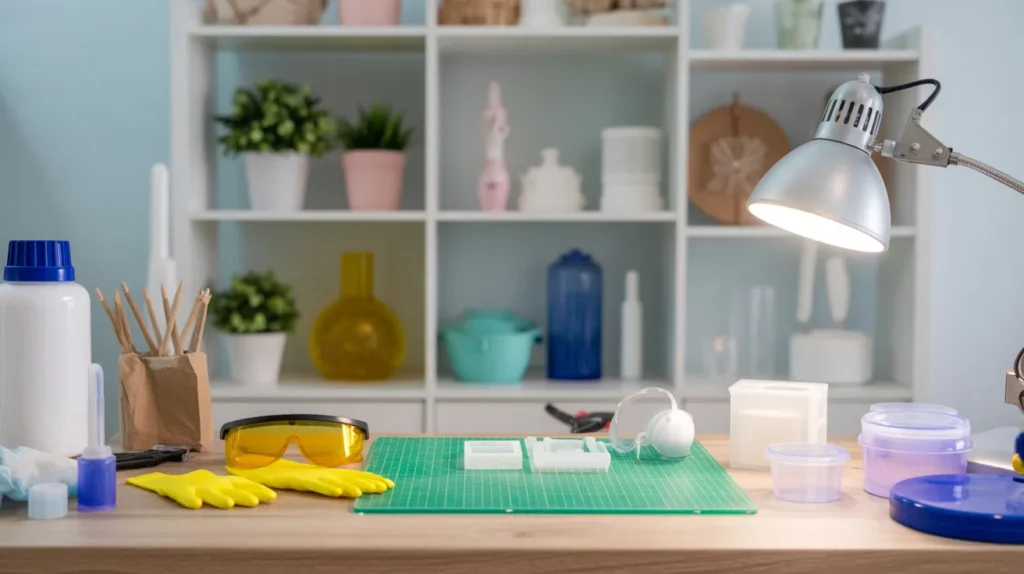
1. Introduction
UV resin has become a popular choice for crafters and DIY enthusiasts due to its fast-curing properties and ability to create detailed, glossy designs. From jewelry making to small art projects, UV resin offers convenience and professional-looking results. However, many beginners and even experienced crafters often ask: is UV resin safe to use indoors?
Using UV resin indoors comes with both benefits and risks. While it allows for crafting in any space, it also produces fumes and involves chemicals that can be harmful if not handled properly. Understanding the potential hazards and following safety precautions is essential for a safe crafting experience.
In this guide, we will explore how to use UV resin safely indoors, covering ventilation, protective gear, proper handling, and curing tips. By the end, you’ll have a clear understanding of the best practices to enjoy UV resin crafting without compromising your health.
Table of Contents
2. What is UV Resin?
UV resin is a type of liquid polymer that hardens quickly when exposed to ultraviolet (UV) light. Unlike traditional two-part epoxy resin, which requires mixing with a hardener and can take hours or even days to cure, this resin cures in a matter of minutes under a UV lamp or sunlight. This fast-curing property makes it especially popular for small crafts, jewelry, and decorative items.
The material is known for its crystal-clear finish, durability, and ability to hold intricate details. It can be tinted with pigments, glitter, or dyes to create custom designs, making it versatile for various creative projects. However, the chemicals in the resin can be reactive, so it’s important to follow handling instructions carefully.
In essence, this resin is a convenient option for precise, quick, and high-quality craft work, but understanding its properties and safe usage is essential for any indoor crafting setup.
3. Common Risks of Using UV Resin Indoors
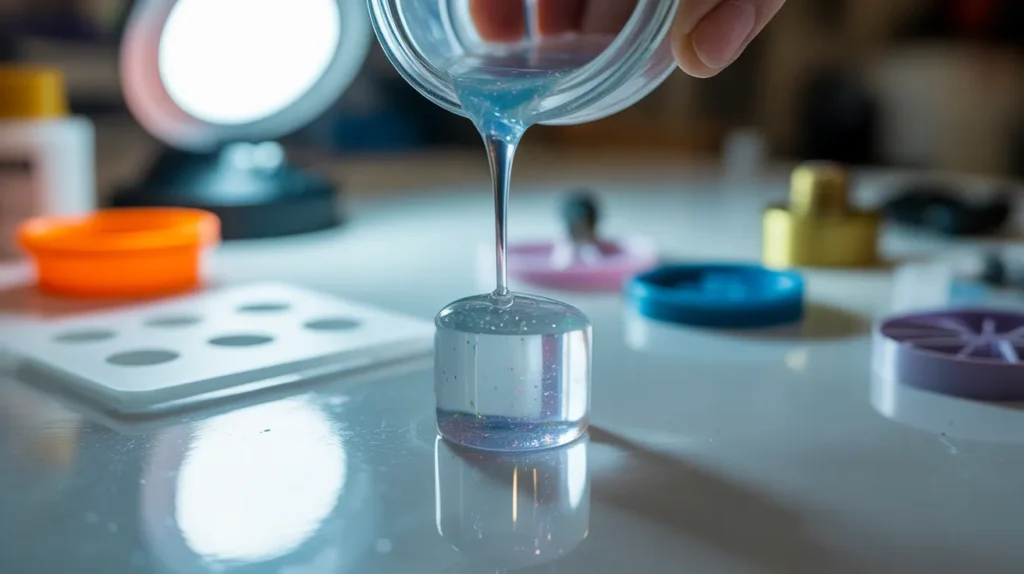
While this type of resin is popular for its quick curing and glossy finish, using it indoors comes with several potential hazards. One of the main concerns is chemical exposure. The liquid resin contains reactive compounds that can irritate the skin, eyes, and respiratory system if proper precautions are not taken. Even brief contact may cause redness, itching, or allergic reactions in sensitive individuals.
Another risk is fume inhalation. When curing or pouring resin, volatile organic compounds (VOCs) are released into the air. In enclosed spaces with poor ventilation, these fumes can lead to headaches, dizziness, or respiratory discomfort over time.
Additionally, improper handling may result in accidental spills or sticking to surfaces. Once cured, resin is difficult to remove and can damage furniture, flooring, or fabrics. There is also a risk of eye damage if UV light is directed without protection, as the curing process involves ultraviolet rays.
Being aware of these risks is the first step toward a safe crafting environment. By following safety measures, crafters can minimize exposure and enjoy their projects without harm.
4. Ventilation Requirements for Indoor Use
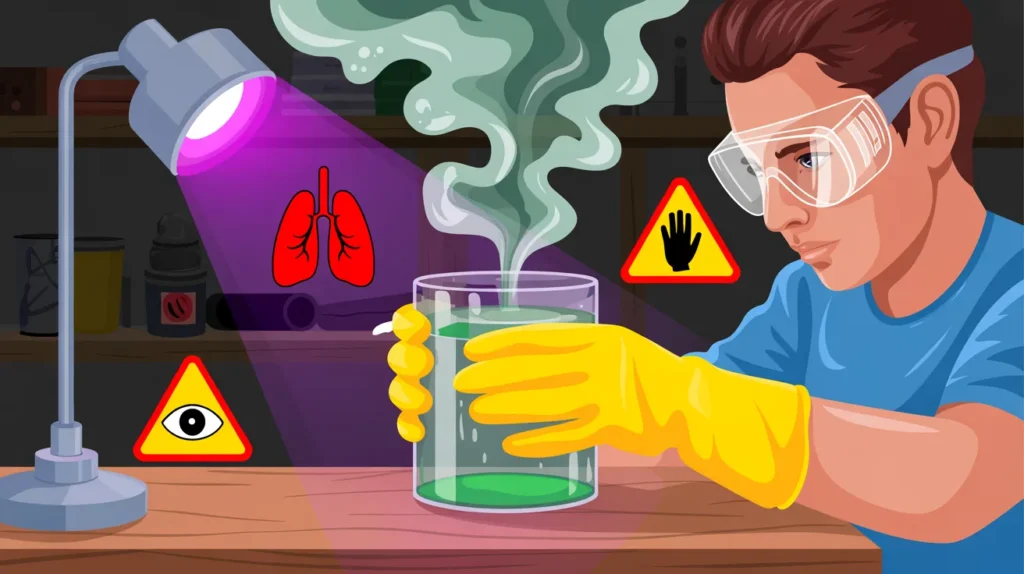
Proper airflow is essential when working with this type of resin indoors. Even small amounts of fumes can accumulate in enclosed spaces, potentially causing discomfort or irritation. Ensuring good ventilation reduces the concentration of airborne chemicals and helps maintain a safer environment for crafting.
The simplest approach is to work near an open window or door, allowing fresh air to circulate freely. Using a fan to direct air away from the workspace can also help disperse fumes more quickly. For those who craft frequently indoors, setting up a dedicated resin station with exhaust fans or air purifiers can provide an added layer of protection.
It’s also important to avoid small, enclosed rooms with limited airflow, such as closets or bathrooms. Even short sessions in poorly ventilated areas can increase exposure to harmful compounds. By prioritizing airflow, crafters can significantly reduce potential health risks while maintaining a comfortable workspace.
5. Protective Gear You Should Use
When working with UV-sensitive resin, wearing the right protective equipment is essential to minimize exposure to chemicals and UV light. The first line of defense is nitrile gloves, which prevent skin contact and reduce the risk of irritation or allergic reactions. Avoid using latex gloves, as they may not provide adequate protection against resin compounds.
Safety goggles are also important, especially during the curing process. They protect your eyes from accidental splashes and the intense UV light used to harden the material. Long sleeves or a protective apron can help shield your arms and clothing from spills, while keeping your workspace clean and safe.
For those working in spaces where airflow is limited, a respirator or mask rated for organic vapors can reduce inhalation of fumes. Even when ventilation is sufficient, wearing a mask adds an extra layer of safety during longer crafting sessions.
Using the appropriate gear not only protects your health but also allows you to work confidently and focus on creating high-quality projects. Proper preparation makes the crafting experience safer and more enjoyable.
6. Safe Practices When Using UV Resin Indoors
Following safe practices is crucial for minimizing risks while crafting indoors. First, always work on a clean, protected surface. Use a silicone mat or disposable paper to prevent spills from damaging furniture or floors.
Keep children and pets away from your workspace. Even small amounts of resin can be harmful if ingested or touched. Avoid eating or drinking near your crafting area to prevent accidental contamination.
Measure and mix carefully to reduce the chance of spills or excessive fumes. Use designated tools for resin only, and avoid touching the liquid with bare hands. If a spill occurs, clean it immediately with appropriate materials, such as paper towels and isopropyl alcohol.
Control curing procedures by using a UV lamp or natural sunlight in a safe, designated area. Never look directly into the UV light, and ensure the curing surface is stable and flat to avoid accidents.
By following these practices, crafters can enjoy their projects safely while reducing exposure to chemicals, protecting their environment, and maintaining a tidy workspace.
7. UV Resin Fumes: Are They Dangerous?
When working with this type of resin, a noticeable odor may be released during pouring and curing. These fumes consist of volatile organic compounds (VOCs), which can irritate the eyes, nose, throat, and lungs if inhaled in high concentrations. Prolonged exposure in poorly ventilated spaces may lead to headaches, dizziness, or respiratory discomfort.
While occasional short-term exposure is unlikely to cause serious harm, repeated inhalation should be avoided. Proper ventilation and the use of a mask or respirator rated for organic vapors are effective ways to reduce the risk. Additionally, working in a dedicated area with air circulation, such as near a window or with a small fan, can help disperse fumes quickly.
It’s also important to note that some individuals may be more sensitive to these chemicals, experiencing stronger irritation or allergic reactions. Monitoring your comfort level while working and taking breaks in fresh air can further minimize potential health effects.
By understanding the nature of these fumes and taking simple precautions, you can safely enjoy crafting while minimizing exposure to harmful compounds.
8. Curing UV Resin Safely Indoors
The curing process is a critical step in resin crafting, and doing it safely indoors requires careful attention. A UV lamp or sunlight is used to harden the resin, but direct exposure to ultraviolet light can be harmful to the eyes and skin. Always ensure that the light source is positioned at a safe distance and avoid looking directly at it.
Using a dedicated curing box or enclosure can help contain the light and prevent accidental exposure. These boxes also minimize the release of fumes into the surrounding area. Set a timer to avoid overexposure and check that the resin is fully cured before handling, as partially cured material can remain sticky and emit stronger odors.
Maintain a stable, flat surface during curing to prevent spills or uneven surfaces. Avoid curing near flammable materials and always follow the manufacturer’s instructions regarding exposure time and lamp intensity.
By following these precautions, you can achieve a smooth, durable finish while keeping your indoor environment safe and comfortable. Proper curing techniques reduce both health risks and the likelihood of damaging your project.
9. Alternatives for Indoor Resin Crafting
For those looking to reduce chemical exposure or avoid strong fumes, several safer alternatives to traditional resin are available. Water-based resins are one option, offering low odor and minimal volatile compounds while still providing a clear, glossy finish. These are ideal for small indoor projects, especially in spaces with limited ventilation.
Another option is low-VOC or non-toxic epoxy resins, which are formulated to produce fewer fumes and reduce skin irritation. While they may take longer to cure compared to UV-sensitive resin, they are safer for regular indoor use and still allow for intricate designs.
For crafting projects that don’t require full resin hardness, air-dry clay or polymer clays can be a creative alternative. These materials are easy to handle, produce no harmful fumes, and can achieve detailed and durable results when properly finished.
By exploring these alternatives, crafters can enjoy a wide range of projects indoors without compromising safety. Choosing the right material depends on the desired finish, curing time, and the level of ventilation available in your workspace.
10. Real-Life Experiences and Expert Opinions
Many crafters who regularly work with UV-sensitive resin indoors emphasize the importance of proper safety measures. For instance, experienced jewelry makers recommend always setting up a dedicated crafting area with good ventilation and using protective gear, even for small projects. They report that following these precautions significantly reduces skin irritation, headaches, and other discomforts associated with resin fumes.
Experts in chemical safety also highlight that, while occasional use in well-ventilated spaces is generally low-risk, consistent exposure without precautions can have cumulative effects. Professionals advise using low-odor, non-toxic formulations for indoor projects and recommend air purifiers or fans to further minimize airborne particles.
Crafters have also shared practical tips, such as curing pieces inside UV-safe boxes to protect eyes from direct light and using disposable tools to prevent accidental contamination. These real-world insights confirm that with awareness and careful handling, indoor resin crafting can be safe and enjoyable.
By learning from both expert advice and the experiences of fellow crafters, beginners can adopt habits that protect their health while still producing beautiful, high-quality projects.
11. Conclusion
Working with UV resin can be a highly rewarding and creative experience, offering fast-curing results and professional-looking finishes. However, safety should always be a top priority. Proper ventilation, protective gear, careful handling, and responsible curing practices are essential to minimize exposure to fumes and chemicals.
So, is UV resin safe to use indoors? The answer is yes—provided that you follow the recommended precautions and create a well-ventilated, organized workspace. By adopting these practices, you can enjoy crafting safely, protect your health, and achieve excellent results every time.
With awareness and preparation, indoor resin projects can be both enjoyable and risk-free, allowing crafters to focus on creativity without compromising safety.
12. FAQs
1. Can resin fumes cause headaches?
Yes, inhaling resin fumes in poorly ventilated areas can sometimes lead to headaches, dizziness, or nausea. Using fans, open windows, or an air purifier can help minimize exposure and keep your workspace safe.
2. Is it safe to craft in a small room?
Crafting in a small, enclosed space can increase the concentration of fumes, which may irritate the respiratory system. If working in a small room, ensure proper airflow and consider using a mask rated for organic vapors.
3. What protective gear is essential?
Wearing nitrile gloves, safety goggles, long sleeves, and a respirator or mask can reduce the risk of skin irritation, eye damage, and inhalation of fumes. Proper gear is especially important for longer crafting sessions.
4. How can I minimize resin spills indoors?
Use a silicone mat or disposable paper on your workspace and handle the resin carefully with designated tools. Immediate cleanup with paper towels and isopropyl alcohol can prevent staining or surface damage.
5. Are there safer alternatives for indoor crafting?
Yes, low-odor, non-toxic, or water-based resins are safer options for indoor projects. Air-dry or polymer clays can also be used for creating detailed designs without chemical exposure.
6. Can UV light used for curing be harmful?
Direct exposure to UV light can cause eye and skin irritation. Always use a protective enclosure, keep a safe distance, and avoid looking directly at the light while curing resin.
7. How can I improve ventilation for resin work?
Open windows or doors, use a small fan to circulate air, and consider a dedicated resin station with exhaust options. Proper airflow significantly reduces the risk of fume-related discomfort.