
1. Introduction:
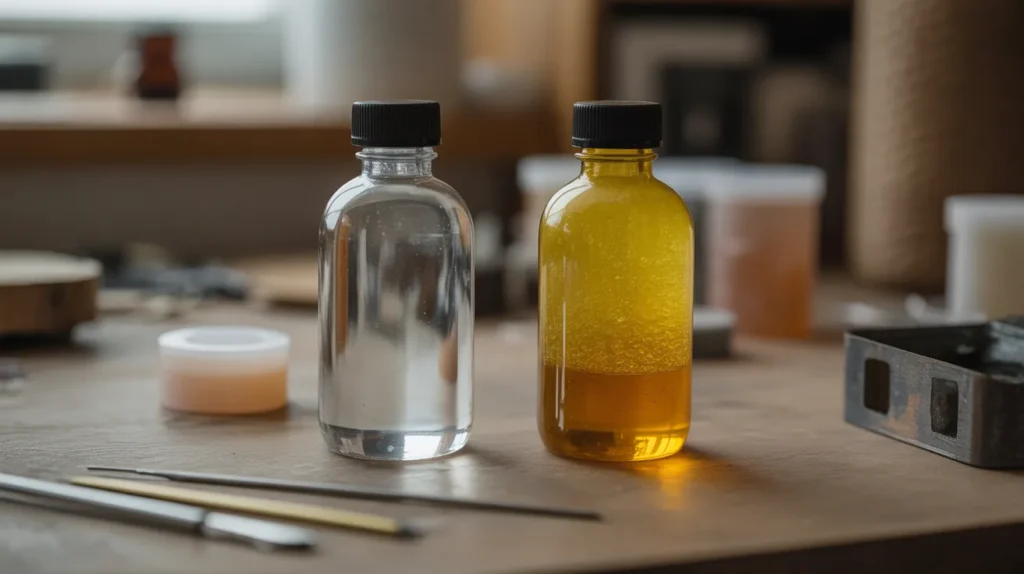
If you work with resin for crafts, jewelry, or DIY projects, you may eventually find an old bottle sitting on your shelf and wonder what happens if you use expired resin. At first glance, resin may look fine even after its expiration date, which makes it tempting to use it anyway. However, the effects of expired resin are not always obvious until the curing process begins—or fails.
Using expired resin can lead to several problems, including slow or incomplete curing, a sticky or soft surface, discoloration, and reduced strength. In some cases, the resin may never fully harden, leaving your project unusable and wasting both time and materials. Beyond quality issues, there can also be safety concerns, as expired resin may release stronger fumes or cause skin irritation.
Understanding what happens if you use expired resin helps you avoid failed projects and unnecessary risks. In this article, we’ll explain how resin expiration affects performance, appearance, and safety, and how to recognize when resin is no longer suitable for use. This knowledge will help you decide whether an old resin kit is worth testing or should be safely discarded.
Table of Contents
2. Does Resin Really Expire? Understanding Resin Shelf Life
Yes, resin does have a limited shelf life, even though it doesn’t spoil in the same way food does. Over time, the chemical components inside resin and hardener slowly change. These changes affect how well the materials react with each other, which is why manufacturers include an expiration or “best before” date on the packaging.
Most epoxy and UV resins are designed to remain usable for 6 months to 2 years, depending on the formula and how they are stored. Heat, cold, air exposure, and moisture can all shorten this lifespan. When resin sits for too long, it may thicken, separate, or form crystals, while the hardener can weaken and lose its reactivity. Even if the resin looks normal, its performance may already be compromised.
Shelf life is also influenced by storage conditions. Resin kept in a tightly sealed container, stored in a cool and dry place, usually lasts much longer than resin exposed to fluctuating temperatures or direct sunlight. Improper storage is one of the main reasons resin degrades before its printed date.
Understanding resin shelf life is important because expired materials don’t always show clear warning signs. Knowing how long your resin has been stored and under what conditions helps you judge whether it’s safe to use or likely to cause curing and quality problems in your project.
3. Types of Resin and How Expiration Affects Each One
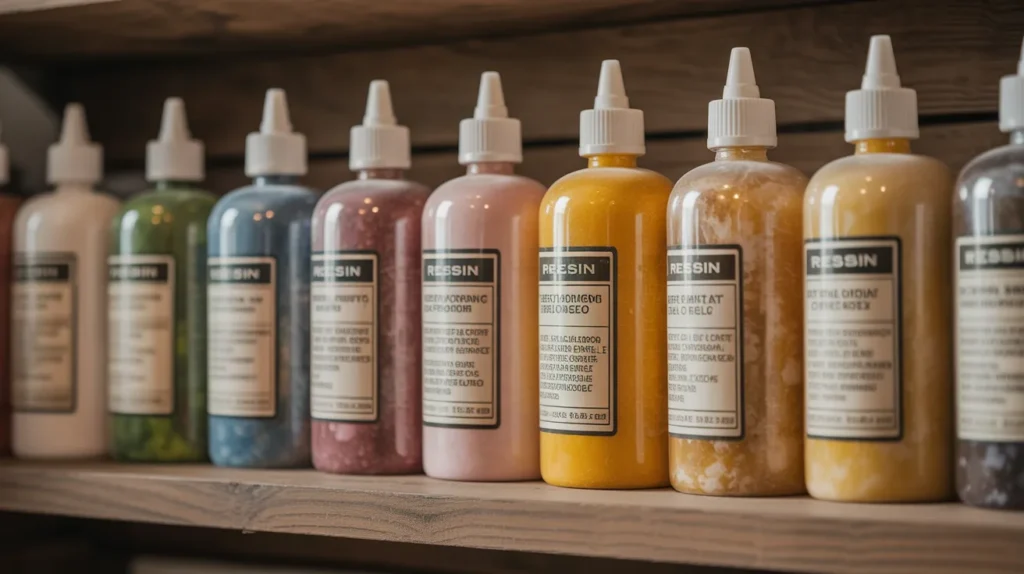
Not all resin types age in the same way. Each formula reacts differently over time, which means expiration can affect performance, curing, and final results depending on the type you are using.
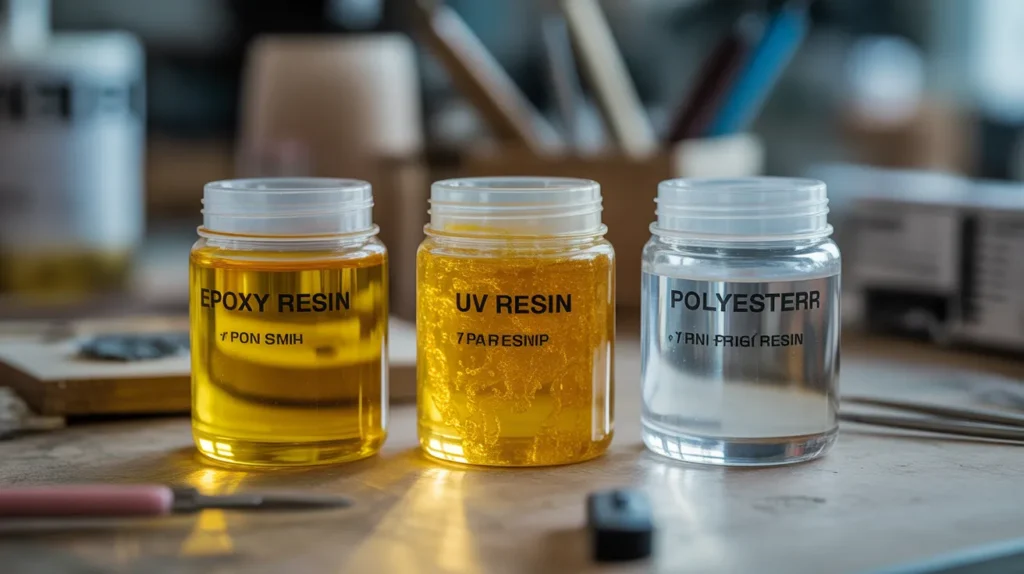
Epoxy resin is the most commonly used option for crafts, tables, and coatings. As it ages, epoxy resin often becomes thicker and may develop crystals or cloudiness. The hardener is usually the first component to degrade, which can lead to incomplete curing, soft spots, or a surface that remains tacky. Even slight aging can reduce clarity and strength.
UV resin has a shorter shelf life compared to epoxy. It is highly sensitive to light and heat, and prolonged storage can weaken its ability to cure under UV lamps or sunlight. Older UV resin may cure unevenly, remain sticky in deeper areas, or lose its original clarity, making it less reliable for detailed jewelry work.
Polyester resin is more reactive and tends to degrade faster once opened. Over time, it may thicken, separate, or emit a stronger odor. Expiration can cause curing to slow down or fail completely, especially if the catalyst no longer reacts properly with the resin.
Understanding how expiration affects each resin type helps you choose the right material for your project and recognize when performance issues are likely to occur. Using fresh resin is especially important for projects that require strength, clarity, and long-term durability.
4. What Happens If You Use Expired Resin? (Quick Overview)
Using resin that has passed its shelf life can lead to a range of performance and quality problems. The most common issue is improper curing. Instead of hardening evenly, the resin may stay soft, rubbery, or sticky even after the recommended curing time has passed. This alone can make a finished piece unusable.
Another frequent problem is a noticeable decline in appearance. Aged resin may cure with a cloudy, dull, or yellowed finish, especially in clear or decorative projects. Bubbles may also become more difficult to control because older resin tends to trap air more easily due to increased thickness.
Strength and durability are also affected. Projects made with outdated materials are more likely to crack, bend, or break over time. In addition, expired resin can release stronger fumes and may cause skin irritation, increasing safety concerns during use.
In short, using resin beyond its usable life often results in poor curing, reduced visual quality, weaker final pieces, and a higher risk of wasted materials.
5. How Expired Resin Affects the Curing Process
The curing process is critical for achieving a strong, clear, and durable finish, but older resin can interfere with it in several ways. One of the most common issues is slower or incomplete curing. Over time, the chemical balance between the resin and hardener can weaken, preventing the mixture from fully hardening. This can leave the surface tacky or soft, even after the recommended curing period.
Expired resin may also cure unevenly, causing variations in thickness, texture, or clarity across the project. This problem is particularly noticeable in deep pours or detailed molds, where parts of the resin may remain undercured while others harden normally. The result can be a lumpy, sticky, or uneven surface that looks unprofessional.
Another effect is increased air bubbles. Older resin tends to trap more air during mixing and pouring because the viscosity changes over time. These bubbles are difficult to remove and can mar the final appearance of jewelry, coatings, or decorative pieces.
Finally, chemical degradation can alter the color of the cured resin. Clear resins may yellow, while pigmented resin can cure with a muted or uneven tone. This affects both aesthetics and overall quality, making expired resin unreliable for precise or long-lasting projects.
Understanding these effects highlights the importance of using properly stored, fresh resin for any project that relies on consistent curing and a professional finish.
6. Visual and Structural Problems Caused by Expired Resin
When resin is past its prime, the issues are often immediately noticeable in both appearance and structure. One of the most common visual problems is discoloration. Clear or light-colored resins may turn yellow, cloudy, or dull, which can ruin the intended look of jewelry, craft projects, or coatings. Pigmented resins can also cure unevenly, resulting in blotchy or muted colors.
Bubbles and surface imperfections are another frequent concern. Older resin tends to trap air more easily, making bubbles harder to eliminate. Even with careful mixing, these trapped bubbles can rise to the surface and become permanent flaws.
On the structural side, expired resin often produces weaker, less durable pieces. Projects may develop soft spots, cracks, or brittleness, and layers may not bond properly. This reduces the overall lifespan of the finished piece and increases the likelihood of breakage during handling or use.
Finally, surfaces can feel uneven or tacky due to incomplete curing. This not only affects aesthetics but also makes sanding, polishing, or painting difficult. Recognizing these visual and structural warning signs helps prevent wasted materials and ensures that your projects maintain both beauty and durability.
7. Is It Dangerous to Use Expired Resin?
Using resin that has aged beyond its recommended shelf life can pose safety risks, even if it appears normal. One concern is the release of stronger fumes. As chemical components degrade, they may produce more potent or irritating vapors during mixing and curing, which can cause headaches, dizziness, or respiratory discomfort if proper ventilation is not used.
Skin contact is another issue. Expired resin can become more reactive or sticky, increasing the risk of irritation, rashes, or allergic reactions. Gloves and protective clothing are essential, but even with precautions, handling older resin may be less safe than fresh materials.
Fire hazards are also slightly elevated. Some resins, particularly polyester types, may become unstable over time, making them more flammable during heating or sanding.
While not always immediately dangerous, using aged resin increases the likelihood of health issues and accidents, in addition to poor project outcomes. For this reason, it is generally safer to test a small batch before committing to a full project—or to dispose of old resin properly.
8. How to Tell If Resin Has Gone Bad Before Using It
Before starting a project, it’s important to check whether resin is still usable. Even if it hasn’t passed the printed date, improper storage can cause it to degrade. There are several clear signs to watch for:
1. Changes in texture or thickness
Fresh resin should pour smoothly and feel consistent. If it has thickened, become lumpy, or developed a gel-like consistency, it may have started to go bad. Thicker resin can be difficult to mix and may not cure properly.
2. Crystallization or separation
Some resins may form small crystals or separate into layers over time. While minor separation can sometimes be mixed back together, visible crystallization usually indicates that the chemical balance has been disrupted, which can affect curing.
3. Unusual odor
A strong, sharp, or sour smell can signal chemical breakdown. Resin that smells different from when it was new may release more harmful fumes during use, making ventilation even more important.
4. Discoloration
Clear resin that appears yellowed or cloudy, or pigmented resin that looks muted or uneven, can indicate deterioration. While slight color changes don’t always prevent curing, they can affect the final appearance of your project.
5. Test small batch
If you’re unsure, mix a tiny amount with hardener and observe the reaction. Slow curing, tackiness, or uneven hardening are signs that the material is no longer reliable for your project.
By checking these signs carefully, you can avoid using compromised resin and prevent wasted time, materials, and potential safety issues.
9. Can You Fix or Revive Expired Resin?
In some cases, resin that has thickened or partially degraded can be adjusted, but there are limits to what can be safely restored. One common method is gently warming the resin. Placing the container in a warm water bath can reduce viscosity, making it easier to pour and mix. This works best for resin that has only slightly thickened over time.
Stirring and thorough mixing can sometimes reincorporate minor separation of the resin and hardener. However, if the components have chemically broken down, no amount of mixing will restore proper curing ability. Attempting to use significantly degraded resin may result in sticky, soft, or unevenly cured projects.
It’s important to avoid adding extra hardener in an attempt to compensate for aging, as this can upset the chemical balance and worsen curing problems. Similarly, thinning agents like alcohol or water are not recommended, as they can compromise the strength and clarity of the final product.In summary, while slight thickening or separation can sometimes be managed, seriously aged or degraded resin cannot be reliably revived. Testing a small batch before a full project is the safest approach, but in most cases, using fresh resin is the better option for consistent results and safety.
10. What Happens If You Use Expired Resin in Jewelry or Crafts
Using old resin for jewelry or craft projects can lead to several noticeable problems that affect both appearance and durability. One of the most common issues is poor curing. Pieces may remain soft, tacky, or unevenly hardened, making them difficult to remove from molds or work with during finishing. This can ruin intricate designs or delicate details.
Clarity and color are also affected. Clear resin may yellow or appear cloudy, while colored or pigmented resin can cure unevenly, creating blotchy or muted tones. For jewelry, this diminishes the sparkle and overall aesthetic appeal of the piece.
Structural weaknesses are another concern. Expired resin often produces brittle or fragile results, increasing the likelihood of cracks, chips, or breakage in finished items. Layer adhesion can also fail, especially in projects with multiple pours or embedded objects.
Finally, handling problems such as stickiness and difficulty sanding or polishing can make the crafting process frustrating. Even if the piece eventually hardens, the surface may remain uneven or rough, requiring more effort to achieve a smooth finish.
In short, using aged resin in jewelry or crafts can lead to wasted materials, time, and effort, and often produces a final product that falls short of professional quality standards.
11. When Should You Throw Away Expired Resin?
Knowing when to discard old resin is important to avoid failed projects and potential safety hazards. There are several clear signs that indicate it is time to throw it away.
1. Thickening or gel-like consistency
If the resin has become significantly thicker than when it was new or has a lumpy texture, it is unlikely to cure properly. This makes it unsuitable for most projects.
2. Crystallization or separation
When crystals form or the resin separates into layers that cannot be fully mixed back together, the chemical balance is compromised. Even if it looks usable, the final result will likely be weak or uneven.
3. Strong or unusual odor
A sour, sharp, or chemically different smell indicates degradation. Using resin in this state can increase the risk of harmful fumes during curing.
4. Failed test batch
If a small test mix shows slow curing, tackiness, or uneven hardening, the material should be discarded rather than used for a full project.
5. Discoloration or cloudiness
Significant yellowing or a cloudy appearance, especially in clear resin, is a sign that it will not provide the intended aesthetic quality.
When resin meets any of these conditions, it is safer to dispose of it properly rather than risk wasting materials or creating unsafe conditions. Always follow local guidelines for chemical disposal to ensure environmental safety.
12. How to Store Resin Properly to Prevent Expiration
Proper storage is key to extending the usable life of resin and ensuring it performs as expected. Even the highest-quality resin can degrade quickly if exposed to heat, moisture, or air.
1. Keep containers tightly sealed
Always close lids securely after each use to prevent air and moisture from entering. Exposure to oxygen can thicken resin and reduce the effectiveness of the hardener over time.
2. Store in a cool, dry place
Resin should be kept away from direct sunlight, heaters, or areas that experience extreme temperature fluctuations. A consistent temperature between 15°C and 25°C (59°F–77°F) is ideal.
3. Avoid freezing
Freezing can damage the chemical structure of both resin and hardener, causing crystallization and uneven curing. If stored in a cold climate, keep containers off floors or near walls that may get very cold.
4. Keep away from moisture
Humidity can affect curing, especially for epoxy resin. Store containers in a dry environment and avoid basements or areas prone to condensation.
5. Label and rotate stock
If you use resin regularly, label each container with the purchase or opening date. Use older resin first and keep newer bottles for future projects. This helps ensure you are always working with the freshest materials.
Following these storage practices helps maintain clarity, consistency, and curing ability, reducing the likelihood of problems and prolonging the lifespan of your resin.
13. FAQs
Q1: Can slightly old resin still cure properly?
Sometimes, resin that is just past its recommended date can cure, but the results may be slower or less reliable. Thicker consistency or minor separation can affect hardness, clarity, and strength, so testing a small batch first is always recommended.
Q2: How can I tell if resin is unsafe to use?
Look for changes in texture, unusual odor, discoloration, crystallization, or poor results in a test batch. Any of these signs indicate that the material may not perform correctly and could pose safety risks.
Q3: Does the hardener expire faster than resin?
Yes, the hardener component is usually more sensitive to time and storage conditions. If the hardener has degraded, the resin will not cure properly, even if the resin itself looks fine.
Q4: Is it safe to use old resin indoors?
Using aged resin indoors can increase exposure to fumes, especially if ventilation is poor. Always work in a well-ventilated area, wear gloves, and follow proper safety precautions to minimize risks.
Q5: Can expired resin still be used for practice projects?
Small, non-critical test pours or experimental projects may be acceptable with older resin. However, the results are unpredictable, so it is not recommended for final pieces or anything requiring durability or clarity.
14. Final Verdict: Should You Use Expired Resin or Not?
When it comes to using resin that has passed its recommended shelf life, caution is the best approach. While some slightly aged resin may still cure, the results are often unpredictable, and the risks usually outweigh any potential benefits. Projects may end up with soft spots, discoloration, bubbles, or structural weaknesses, leading to wasted materials and time.
Safety is another important factor. Older resin can produce stronger fumes, increase the chance of skin irritation, and behave unpredictably during curing. These health risks make it less suitable for indoor or close-contact work, especially for jewelry and decorative crafts.
The most reliable choice is to use fresh resin. If you want to experiment with older materials, limit it to small test batches where failure won’t matter. This allows you to evaluate performance without compromising your main project.
In summary, using outdated resin is generally not recommended. Proper storage, careful monitoring of shelf life, and discarding degraded materials are the best ways to ensure high-quality results, safety, and long-lasting projects.
15. Conclusion:
Understanding what happens if you use expired resin is essential for anyone working with crafts, jewelry, or DIY projects. Using resin past its shelf life can lead to a range of issues, from poor curing and sticky surfaces to discoloration, bubbles, and weak final pieces. In some cases, it may also pose safety risks, including stronger fumes and skin irritation.
Key takeaways include:
Always check the resin for signs of aging, such as thickening, crystallization, discoloration, or unusual odor.
Test a small batch if you are unsure about its usability, but avoid relying on old materials for important projects.
Proper storage in a cool, dry, and sealed environment can extend resin life and maintain performance.
When in doubt, it’s safer to discard expired resin rather than risk a failed project or potential health hazards.
By keeping these points in mind, you can ensure your resin projects are durable, visually appealing, and safe, avoiding the common pitfalls associated with using outdated materials.