
1. Introduction
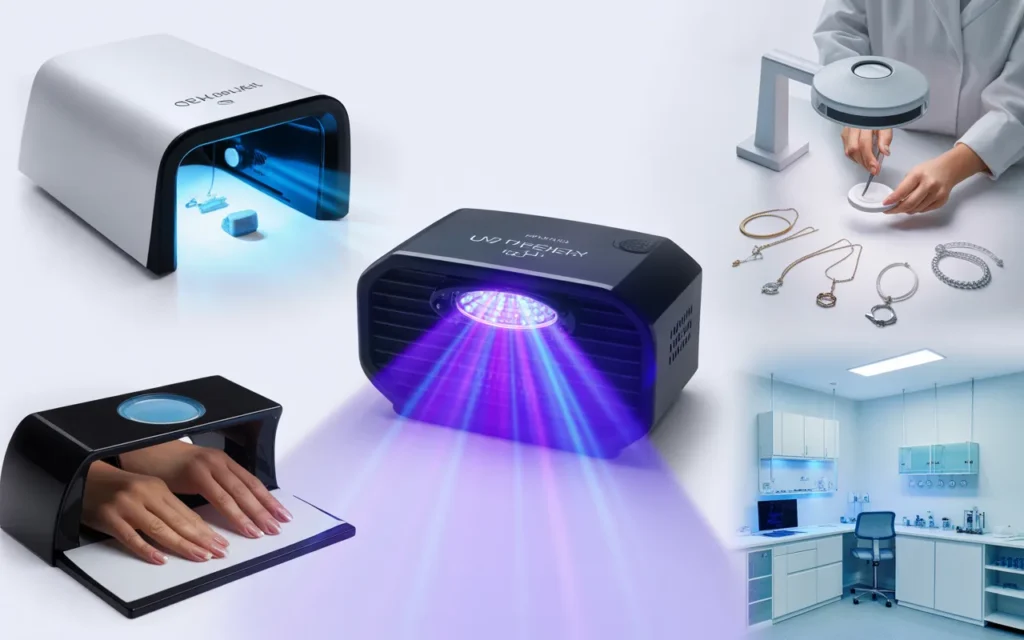
Many people ask what is a UV light used for because it appears in everyday tools, medical equipment, and modern technology. A UV (ultraviolet) light is a type of invisible light with a shorter wavelength than visible light, which gives it unique properties that make it useful for specific tasks. Unlike regular lighting, UV light can trigger chemical reactions, destroy microorganisms, and reveal details that the human eye cannot normally see.
So, what is a UV light used for in real life? It is commonly used for disinfection, curing materials like resin and gel nails, medical treatments, security checks, and industrial processes. From purifying water and air to helping professionals detect germs, leaks, or counterfeit items, UV light plays an important role across many industries. Understanding its uses helps you choose the right type of UV light and use it safely and effectively.
Table of Contents
2. How UV Light Works (Simple Explanation)
Ultraviolet light works by producing energy at a higher frequency than visible light. Although it cannot be seen by the human eye, this energy interacts with materials at a molecular level. When UV rays hit a surface, they can trigger chemical changes, break down organic compounds, or affect the DNA of microorganisms. This is why ultraviolet radiation is effective in processes like sterilization and material curing.
The UV spectrum is usually divided into three main types: UVA, UVB, and UVC. UVA has the longest wavelength and is commonly used in beauty, resin curing, and inspection tools. UVB carries more energy and is mainly associated with skin-related effects and medical treatments. UVC has the shortest wavelength and the highest energy, making it especially effective at killing bacteria and viruses. Each type works differently, which is why UV lights are designed for specific purposes and applications.
3. What Is UV Light Used For in Disinfection and Sterilization
Ultraviolet light plays a major role in disinfection and sterilization because of its ability to neutralize harmful microorganisms. When certain UV rays, especially UVC, come into contact with bacteria, viruses, and molds, they damage the organism’s DNA or RNA. This prevents the microbes from reproducing, which effectively stops them from spreading or causing infection.
Because of this property, UV-based systems are widely used in water purification units, air purifiers, and medical environments. Hospitals and laboratories use UV lamps to sanitize equipment, rooms, and surfaces without relying heavily on chemicals. UV disinfection is also common in HVAC systems and drinking water treatment plants, where it helps reduce germs while leaving no chemical residue behind.
4. What Is the UV Light Used For in Healthcare and Medical Fields
In healthcare and medical settings, ultraviolet light is used under controlled conditions to support diagnosis, treatment, and sanitation. One common application is phototherapy, where specific UV wavelengths are used to treat skin conditions such as psoriasis, eczema, and vitiligo. These treatments are carefully monitored by medical professionals to ensure patient safety while achieving effective results.
Ultraviolet light is also used in laboratories and hospitals to reduce contamination. It helps sanitize surgical tools, patient rooms, and work surfaces where germs may be present. In diagnostic labs, UV lamps assist in analyzing samples and detecting biological substances that are not visible under normal lighting. These medical uses rely on precise exposure levels, making professional handling and safety protocols essential.
5. What Is a UV Light Used For in Beauty, Nail, and Resin Curing
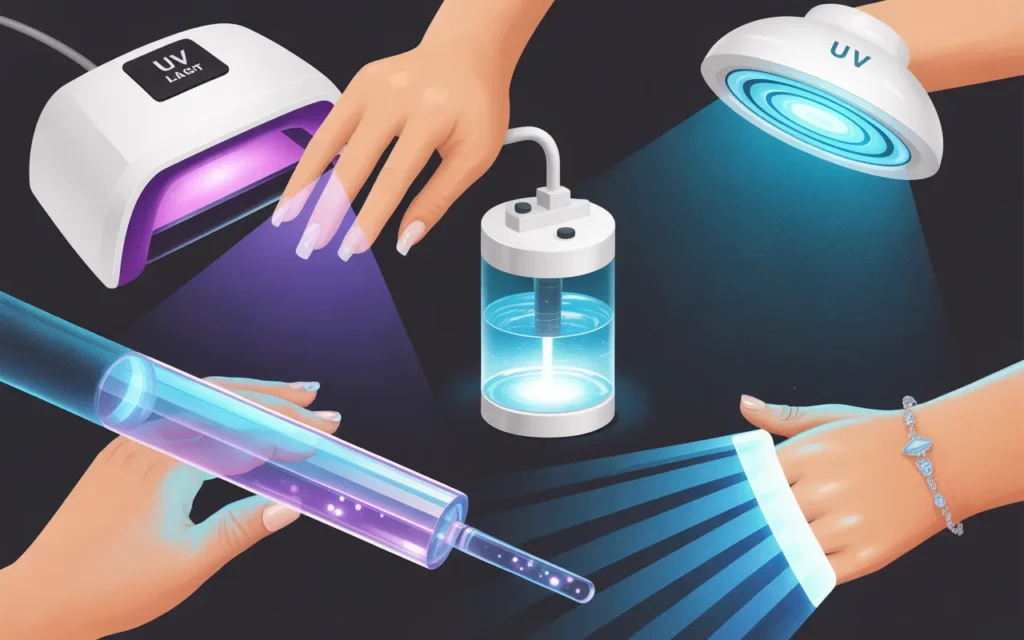
Ultraviolet light is widely used in the beauty and crafting industries because it can harden certain materials quickly and evenly. In nail salons, UV and LED lamps are used to cure gel polish by activating special chemicals in the formula. This process creates a durable, glossy finish that resists chipping and dries much faster than traditional nail products.
In crafts and jewelry making, UV light is essential for curing UV resin. When exposed to the correct wavelength, the liquid resin hardens within minutes, allowing creators to work with precision and speed. This method is popular for making small decorative items, accessories, and detailed designs because it offers better control and a smooth, professional finish without long waiting times.
6. What Is a UV Light Used For in Industry and Manufacturing
In industrial and manufacturing environments, ultraviolet light is valued for its speed, precision, and efficiency. One of its most important roles is in UV curing, where special inks, coatings, and adhesives harden instantly when exposed to UV radiation. This process is commonly used in printing, packaging, electronics, and automotive production because it reduces drying time and improves product durability.
Ultraviolet systems are also used for inspection and quality control. Manufacturers rely on UV lamps to detect surface defects, cracks, or coating inconsistencies that are difficult to see under normal lighting. By using this technology, production lines can maintain consistent quality, reduce waste, and improve overall efficiency without slowing down operations.
7. What Is a UV Light Used For in Detection and Inspection
Ultraviolet light is commonly used for detection and inspection because it can reveal details that are invisible under normal lighting. Many substances react to UV exposure by glowing or changing appearance, making it easier to identify hidden marks, stains, or materials. This property is widely used in security, forensics, and quality assurance.
In practical applications, UV lamps help verify banknotes, official documents, and identification cards by highlighting security features. They are also used to detect fluid leaks in mechanical systems when combined with UV-sensitive dyes. In forensic work, ultraviolet light assists in locating biological traces and evidence, supporting accurate analysis without damaging the surface being examined.
8. Is UV Light Safe to Use? Risks and Precautions
Ultraviolet light can be safe when used correctly, but improper exposure may cause health risks. Direct contact with strong UV radiation can irritate the skin and damage the eyes, especially when exposure is frequent or prolonged. Short-wavelength UV types carry higher energy, which is why safety controls are important in both professional and home settings.
To reduce risks, protective measures should always be followed. Wearing UV-blocking eyewear, avoiding direct skin exposure, and using lamps with built-in timers or protective covers can greatly improve safety. It is also important to follow manufacturer instructions and use the correct type of UV lamp for each task. When handled responsibly, ultraviolet light can be effective without causing harm.
9. Common Types of UV Lights and Their Uses
There are several types of ultraviolet lamps, each designed for specific applications. UVA lamps are the most common in beauty and craft industries, ideal for curing gel nails, UV resin, and other decorative materials. UVB lamps are primarily used in medical treatments and controlled phototherapy, providing targeted skin exposure for therapeutic purposes.
UVC lamps have the highest energy and are widely used for sterilization and disinfection in hospitals, laboratories, and water purification systems. Additionally, UV LED lights are compact, energy-efficient, and often used for inspection, detection, and portable curing applications. Understanding the differences helps users select the right lamp for their needs while ensuring efficiency and safety.
10. Conclusion:
Understanding what is a UV light used for helps highlight its importance in both daily life and specialized settings. From keeping water and air clean to curing resin for crafts, UV light plays a role in tasks that improve hygiene, efficiency, and convenience. It is also widely used in medical treatments, beauty applications, and industrial processes, making it a versatile tool across multiple fields.
When used responsibly and with proper safety precautions, UV light offers practical benefits that are often invisible but highly effective. Whether for disinfecting surfaces, enhancing creative projects, or supporting healthcare, its applications continue to expand, showing how this invisible technology impacts everyday life in meaningful ways.
11: FAQs
1. What are the everyday uses of ultraviolet light?
Ultraviolet light is commonly used for disinfection, sterilization, and curing materials like gel nails and resin. It’s also applied in water purification systems, air purifiers, and inspection tools for detecting hidden details.
2. Can UV light kill bacteria and viruses?
Yes, UVC radiation is highly effective at destroying microorganisms by damaging their DNA or RNA, which makes it a popular choice for surface and air sterilization in hospitals, labs, and home settings.
3. Is UV light the same as black light?
Not exactly. Black lights emit UVA rays, which cause certain materials to glow in the dark, while other types of UV, like UVC, are used for disinfection and sterilization purposes.
4. What type of UV light is best for curing resin or gel nails?
UVA lamps and UV LED lights are ideal for curing gel polish and UV resin, as they harden the material quickly and provide a smooth, durable finish.
5. Is UV light safe to use at home?
When used properly, UV light is safe. It’s important to wear protective eyewear, avoid direct skin exposure, and follow manufacturer guidelines to prevent irritation or damage.
6. How is UV light used in industrial applications?
In industry, UV light is used for UV curing of inks, coatings, and adhesives, as well as inspection of products to detect cracks, defects, or inconsistencies that are invisible under normal lighting.