
Introduction
If you’re wondering why does my resin have so many bubbles, you’re not alone. Air bubbles are one of the biggest challenges in resin art, epoxy tabletops, and DIY projects. The good news is that once you understand what causes them, you can prevent most bubble problems before they ruin your work. In this guide, you’ll learn why does my resin have so many bubbles, the most common causes, proven fixes, and simple techniques to achieve smooth, crystal-clear resin results every time.
Table of Contents
What Are Resin Bubbles and Why Do They Form?
Resin bubbles are small pockets of trapped air that appear during mixing, pouring, or curing. They can be visible on the surface or hidden inside the resin, reducing clarity and creating an uneven finish.
The most common cause is air introduced while mixing. Stirring too fast pulls air into the resin, especially when working with thick epoxy. Once trapped, this air may not escape before the resin starts to harden.
Temperature also plays a key role. Cold resin is thicker and holds air more easily. As the resin warms during curing, trapped air expands and rises, forming new bubbles after pouring. Bubbles often appear when resin is poured over porous materials like wood or concrete. Air inside the surface escapes upward unless the material is sealed first.
Heat from the curing process can also release micro bubbles. These tiny bubbles form inside the resin and may not be visible until the epoxy begins to set. Understanding how and why bubbles form helps you control them early and achieve a smooth, professional result.
The Most Common Reasons Your Resin Has So Many Bubbles
Bubbles don’t appear randomly. They are usually caused by a few common mistakes or conditions during the resin process. Understanding these causes makes it much easier to prevent them.
Mixing too fast
is one of the biggest reasons bubbles form. Rapid stirring pulls air into the resin, creating bubbles that become trapped before they can rise and escape.
Incorrect resin-to-hardener ratios
can also cause problems. When the mixture is not balanced, the chemical reaction becomes unstable, increasing air retention and surface imperfections.
Low room or resin temperature
leads to thicker epoxy. Thick resin slows bubble movement, making it harder for air to rise to the surface before curing begins.
Pouring from a height
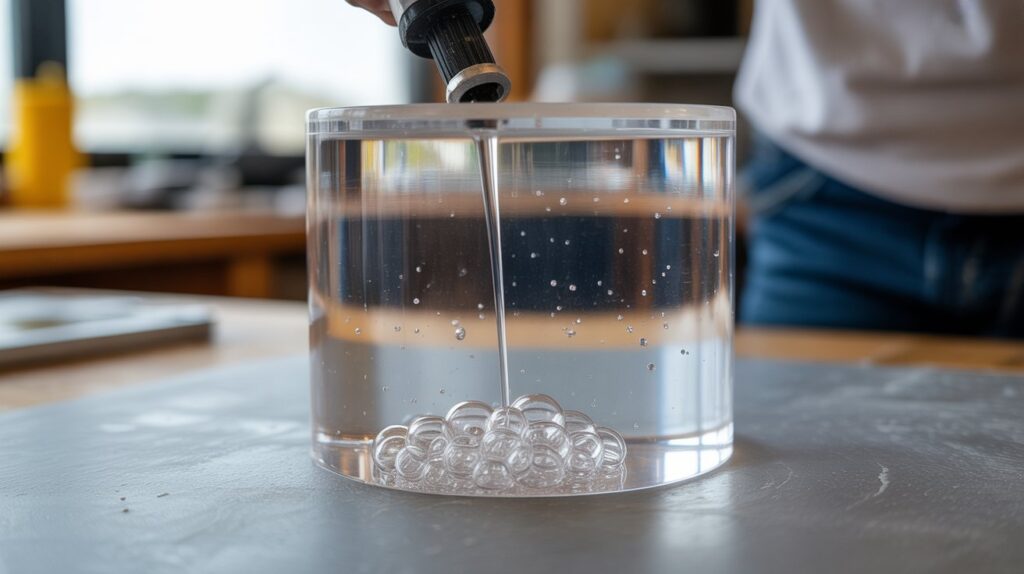
introduces extra air. When resin falls into a mold or onto a surface, it traps air as it lands, especially in deep or narrow areas.
Moisture in the workspace or materials
can create bubbles during curing. Humidity, wet additives, or damp surfaces release gas when resin heats up.
Using porous surfaces without sealing
is another major cause. Wood, canvas, and concrete release trapped air once resin is applied, pushing bubbles into the epoxy. By controlling these factors early, you can greatly reduce bubble formation and achieve a clearer, smoother finish.
How Mixing Technique Creates Air Bubbles in Resin
The way resin is mixed has a direct impact on bubble formation. Poor mixing habits introduce air that becomes trapped before curing begins.
Fast or aggressive stirring
is the main issue. When resin and hardener are whipped together, air is pulled into the mixture, creating bubbles that are difficult to remove later.
Using narrow or deep mixing cups
increases air retention. Bubbles get caught along the sides and bottom, especially if the mixture is not scraped properly.
Incorrect mixing tools
can also cause problems. Flat sticks or sharp-edged tools tend to fold air into the resin rather than blend it smoothly.
Stopping and restarting the mix
creates additional air pockets. Each pause allows bubbles to form and remain suspended in the epoxy.
Overmixing
is another common mistake. Once resin and hardener are fully blended, continuing to stir only adds more air without improving the mix.
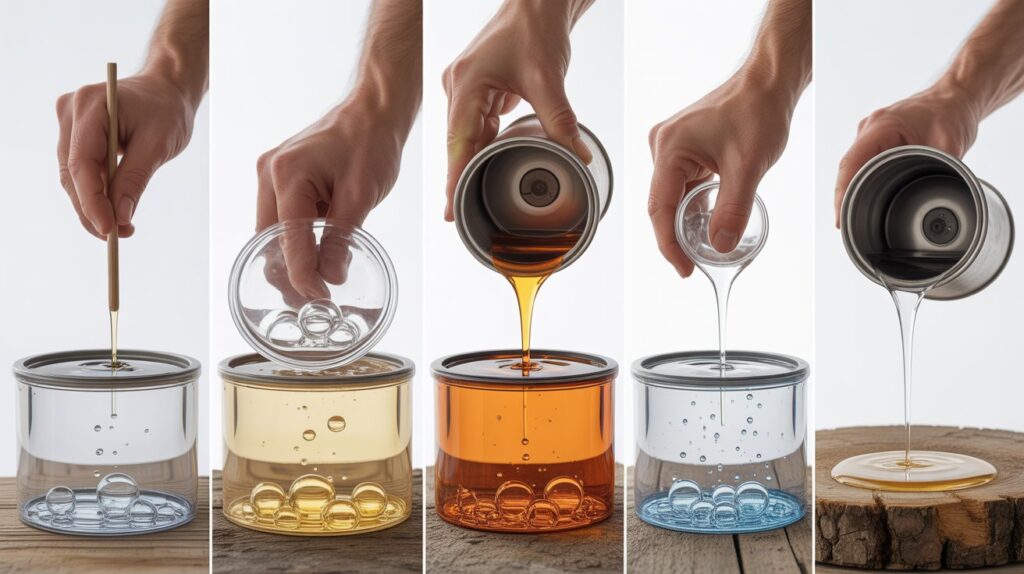
To reduce bubbles, mix slowly and steadily, scrape the sides and bottom continuously, and use smooth, rounded tools. A controlled mixing technique allows air to escape naturally and results in a cleaner, clearer pour.
Why Temperature Plays a Huge Role in Resin Bubbles
Temperature directly affects how resin flows and releases trapped air. When conditions are not ideal, bubbles become much harder to control.
Cold resin is thicker and more viscous.
Thick epoxy holds air longer, preventing bubbles from rising to the surface before curing begins.
Low room temperature slows bubble release.
In cooler environments, resin starts to set before trapped air has time to escape, locking bubbles in place.
Warming resin reduces bubbles.
Slightly warm epoxy flows more easily, allowing air to rise and pop naturally. This is why many professionals warm resin bottles before mixing.
Heat changes during curing matter.
As resin cures, it generates heat. This heat can cause hidden air to expand and form new bubbles after pouring.
Overheating creates new problems.
Excessive heat can cause rapid curing, surface ripples, and even more bubbles if air expands too quickly.
For best results, keep the workspace at a stable, warm temperature and avoid sudden temperature changes. Proper temperature control makes bubble removal easier and improves overall finish quality.
How Long to Let Resin Sit to Get Rid of Bubbles?
Letting resin rest after mixing helps air bubbles rise and escape naturally. This short waiting period is often called the “rest time” and can significantly improve clarity.
For most epoxy types, 5 to 10 minutes is enough. During this time, larger bubbles float to the surface and pop on their own, especially in warm conditions.
Thicker resins may need up to 15 minutes, but waiting too long can be risky. As curing begins, the resin thickens, making it harder for bubbles to escape.
Deep-pour and tabletop epoxies usually allow longer working times, so resting them briefly is safe and effective. Fast-curing formulas require quicker pouring to avoid premature setting.
Watch the surface during the resting phase. If bubbles continue to rise slowly, gentle heat can help release them before pouring. Timing matters. A short rest improves results, but excessive waiting can trap bubbles instead of removing them.
Why Am I Getting Lots of Micro Bubbles in My Liquid Glass Table Top Epoxy?
Micro bubbles are extremely small air pockets that stay suspended inside liquid glass epoxy. They are harder to remove than large bubbles and often appear as a cloudy or hazy finish.
One major cause is high resin viscosity. Tabletop epoxies are thicker by design, which slows bubble movement and keeps tiny air pockets trapped in the resin.
Mixing technique
also plays a role. Even slow stirring can introduce micro bubbles if the sides and bottom of the container are not scraped evenly.
Temperature imbalance
is another common reason. Cold resin traps air, while rapid warming during curing causes tiny bubbles to expand and become visible.
Micro bubbles often form when epoxy is poured too thick in a single layer. Heat builds up inside the pour, releasing trapped air that cannot escape through the surface.
Porous surfaces
like wood contribute as well. Air released from the surface mixes into the epoxy, creating fine bubbles throughout the coating. To reduce micro bubbles, work in warm conditions, mix slowly, pour in controlled layers, and seal surfaces before applying liquid glass epoxy.
Are Micro Bubbles Worse Than Regular Bubbles?
Micro bubbles and regular bubbles affect resin differently, and understanding the difference is key to achieving a flawless finish.
Regular bubbles
are larger and usually rise to the surface quickly. They often pop on their own or can be easily removed with a heat gun, torch, or gentle stirring. Because they are visible and accessible, they are easier to manage.
Micro bubbles
on the other hand, are tiny and can remain suspended throughout the resin. They are harder to remove and can create a cloudy or hazy appearance, especially in clear epoxy projects like tabletops or jewelry.
While both types of bubbles impact aesthetics, micro bubbles are more problematic because they are less noticeable during pouring but more visible after curing. They can also reduce clarity and reflect light unevenly, affecting the overall professional look of the piece.
Controlling micro bubbles requires careful mixing, proper temperature, and slow pouring techniques, whereas larger bubbles are easier to fix with surface treatments. Managing both types ensures a smooth, clear, and visually appealing resin finish.
Will Bubbles in Epoxy Go Away on Their Own?
Some bubbles in epoxy can disappear naturally, but not all. Large surface bubbles often rise and pop within minutes, especially if the resin is warm and has a low viscosity.
However, smaller or trapped bubbles inside thicker pours usually remain unless actively removed. Micro bubbles and air pockets in deep layers may become permanently locked as the resin cures.
Environmental factors also play a role. Warm, stable temperatures help bubbles escape, while cold or uneven conditions can trap air inside the epoxy.
To ensure a smooth, clear finish, it’s best to actively remove bubbles rather than rely on them disappearing on their own. Tools like heat guns, torches, or even letting the resin rest briefly can significantly reduce trapped air and improve clarity.
In short, while some bubbles will naturally go away, proactive measures are essential for professional-quality results.
How to Get Rid of Micro Bubbles Before Resin Cures
Removing tiny air pockets before epoxy hardens is essential for a clear, smooth finish. Micro bubbles are harder to see and escape than larger bubbles, but there are effective methods to eliminate them.
Use gentle heat.
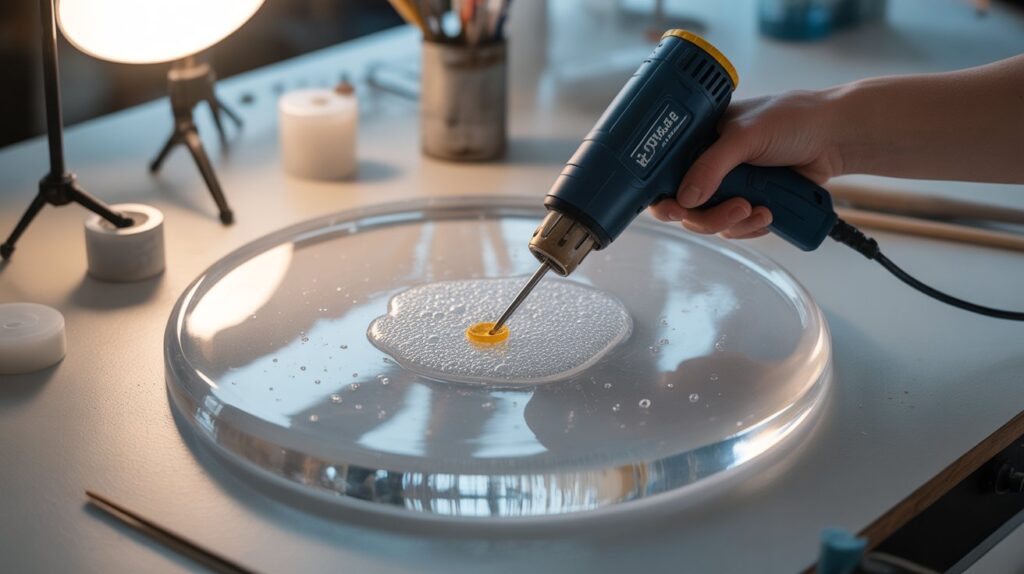
A heat gun or small torch can help micro bubbles rise to the surface and pop. Keep the tool at a safe distance to avoid burning or overheating the resin.
Work in warm conditions.
Slightly warming the resin before pouring reduces viscosity, allowing trapped air to escape more easily. Room temperature should be stable to prevent sudden cooling or heating.
Pour slowly and in layers.
Thick pours trap more air. Applying resin in thinner layers allows bubbles to rise naturally between layers.
Tap or vibrate the mold or surface.
Gentle tapping helps dislodge bubbles stuck to the sides or bottom. Avoid aggressive shaking, which can create more micro bubbles.
Seal porous surfaces beforehand.
Wood, canvas, and concrete release air into the resin. Applying a thin seal coat reduces bubble formation during the main pour.
By combining these methods, micro bubbles can be minimized or eliminated, ensuring a crystal-clear epoxy finish.
How to Stop Getting Bubbles in Resin (Prevention Guide)
Preventing bubbles is always easier than removing them later. Following a few key practices can ensure a smooth, clear finish every time.
Mix slowly and steadily
Rapid stirring introduces air. Use gentle, circular motions and scrape the sides and bottom of the container to blend the resin and hardener completely without trapping air.
Control temperature.
Work in a warm, stable environment. Slightly warming the resin reduces viscosity, helping bubbles rise and escape naturally. Avoid cold resin or sudden temperature changes.
Pour carefully.
Pour resin close to the surface instead of from a height. Slow, controlled pouring reduces air introduction and minimizes splashing.
Use proper tools.
Flat, rounded mixing sticks and wide containers prevent folding air into the resin. Avoid narrow or sharp-edged tools.
Seal porous surfaces.
Wood, concrete, or other absorbent materials release trapped air during the pour. A thin seal coat before the main pour reduces bubbles significantly.
Allow brief rest time.
Let the mixed resin sit for a few minutes before pouring. This gives trapped air a chance to rise to the surface and pop naturally.
By following these steps consistently, bubbles can be minimized, resulting in clear, professional-quality resin pieces every time.
Common Resin Bubble Mistakes Beginners Make
Many beginners struggle with bubbles because of simple, preventable errors. Understanding these mistakes can save time and improve the final result.
Stirring too quickly.
Fast or aggressive mixing introduces air, which becomes trapped in the resin. Slow, steady mixing is essential.
Using cold resin.
Thick, cold epoxy traps air and slows bubble escape. Always bring resin to room temperature before mixing.
Pouring from too high.
Dropping resin into molds or surfaces from a distance introduces extra air, creating bubbles and splashes.
Overheating or underheating.
Extreme temperatures can either trap air or cause rapid curing, which forms bubbles. Keep the workspace warm and stable.
Not sealing porous surfaces.
Wood, canvas, or concrete release air during the pour. Skipping a seal coat leads to continuous bubble formation.
Overmixing additives.
Adding powders, glitter, or pigments too quickly can fold air into the resin, increasing micro bubbles.
By avoiding these mistakes and following proper techniques, beginners can achieve a smooth, bubble-free finish and professional-looking results.
Best Resin Types for Fewer Bubbles
Choosing the right resin can make a big difference in bubble-free results. Some formulas are designed to minimize trapped air and improve clarity.
Low-viscosity epoxy.
Thinner resins flow more easily, allowing air to rise and escape before curing. They are ideal for coatings, molds, and layered pours.
Self-leveling resin.
This type spreads evenly across surfaces, reducing turbulence that can trap air and form bubbles. It’s perfect for tabletops and jewelry pieces.
Bubble-resistant or “crystal clear” resin.
Certain brands are formulated specifically to minimize air retention during mixing and pouring. These are excellent for projects where clarity is essential.
Deep-pour resin.
Designed for thick layers, this resin generates fewer micro bubbles during curing. Proper pouring techniques still apply, but it handles volume better than standard epoxy.
UV resin (for small projects).
Cures quickly with minimal air inclusion, making it less likely to trap bubbles. Best for small decorative items rather than large pours.
Selecting the right resin type, along with proper mixing and pouring techniques, significantly reduces bubbles and ensures a smooth, professional finish.
Quick Troubleshooting: Why Your Resin Still Has Bubbles
Even with careful techniques, bubbles can appear. Identifying the cause quickly helps fix the problem before the resin cures.
Mixing too fast.
Slow, steady stirring reduces trapped air. If bubbles persist, remix gently and scrape the container sides.
Cold resin or environment.
Warm resin flows better, allowing bubbles to escape. Bring the resin and workspace to a stable, slightly warm temperature.
Pouring from height.
Pour resin close to the surface to minimize air introduction. For deep molds, use multiple thin layers instead of a single thick pour.
Porous surfaces.
Unsealed wood or concrete releases air during the pour. Apply a thin seal coat before the main resin layer.
Additives or pigments.
Stirring powders or glitter too quickly can trap micro bubbles. Mix slowly and evenly for smooth dispersion.
Thick or fast-curing resin.
High viscosity or rapid-curing formulas trap air more easily. Consider using a low-viscosity or slower-curing resin for better results.
Addressing these issues immediately increases the chance of a clear, bubble-free finish and prevents permanent defects in the cured resin.
FAQs
Why am I getting lots of micro bubbles in my liquid glass table top epoxy?
Micro bubbles appear when resin is thick, poured too quickly, or stirred too fast. Cold resin, porous surfaces, and heat during curing can also trap tiny air pockets inside the epoxy.
Will bubbles in epoxy go away on their own?
Some surface bubbles may rise and pop naturally, but micro bubbles and trapped air usually remain unless actively removed using heat or slow pouring techniques.
How to get rid of micro bubbles?
Use a heat gun, torch, or slightly warm the resin to help tiny bubbles rise and pop. Pouring in thin layers, sealing porous surfaces, and working in warm conditions also reduces micro bubbles.
What is the best solution for bubbles?
The most effective approach combines careful mixing, temperature control, slow pouring, and active removal with heat. Prevention is always easier than fixing bubbles later.
Can you use alcohol to remove bubbles from resin?
Yes. Spraying a small amount of isopropyl alcohol (91% or higher) on the resin surface can pop bubbles quickly. Use sparingly to avoid leaving marks or affecting the finish.
What causes tiny bubbles?
Tiny bubbles form from trapped air during mixing, chemical reactions during curing, or air released from porous surfaces. Thick resin and fast pouring also increase micro bubble formation.
How can humidity affect my resin project?
High humidity introduces moisture into epoxy, which creates bubbles, cloudy surfaces, or a foamy finish. Work in a controlled environment or use a dehumidifier to reduce moisture.
Does the type of resin I use affect bubble formation?
Yes. Low-viscosity, bubble-resistant, or self-leveling resins allow air to escape more easily than thick or fast-curing formulas, resulting in fewer trapped bubbles.
Why do bubbles sometimes form after I think I’ve removed them?
Heat generated during curing can expand residual air or release air from porous surfaces, creating new bubbles even after initial removal.
Will porous materials like wood or fabric cause bubbles?
Yes. Unsealed porous surfaces release air into the resin during pouring. Applying a thin seal coat beforehand minimizes bubble formation.
Final Thoughts
If you’re wondering why my resin have so many bubbles, it usually comes down to mixing too quickly, cold resin, pouring from a height, or unsealed porous surfaces. Controlling these factors mix slowly, maintain a warm workspace, pour carefully, and seal surfaces prevents most bubbles. Micro bubbles may need gentle heat or short resting time to escape. By following these simple steps, you can achieve clear, smooth, and professional-looking resin every time.